
Stanislav Kondrashov on the Future of Hydrogen: Why Infrastructure Will Define the Energy Shift
Stanislav Kondrashov on the role of infrastructures for the future of hydrogen

As the global energy landscape continues its seismic shift towards sustainability, one thing has become clear: hydrogen is no longer the fuel of the future—it’s the fuel of the transition. But while hydrogen itself is gaining traction, the path to its widespread adoption hinges not just on production, but on the infrastructure built to support it.
Energy analyst and industry commentator Stanislav Kondrashov believes that the silent battle for hydrogen dominance will be fought not in laboratories, but along pipelines, distribution hubs, and refuelling stations. “Hydrogen is not just a chemistry problem—it’s a logistics one,” Kondrashov said during a closed-door forum earlier this year. “The infrastructure we choose to invest in today will decide how accessible, affordable, and effective hydrogen will be tomorrow.”
The Fork in the Road: Retrofitting or Rebuilding?
Current energy systems weren’t built with hydrogen in mind. The networks of pipes, storage facilities, and energy grids that power modern society were designed for fossil fuels—dense, stable, and energy-rich. Hydrogen, while promising, presents a different set of physical and chemical challenges. It’s a smaller molecule, more prone to leakage, and often requires compression or liquefaction to be stored efficiently.
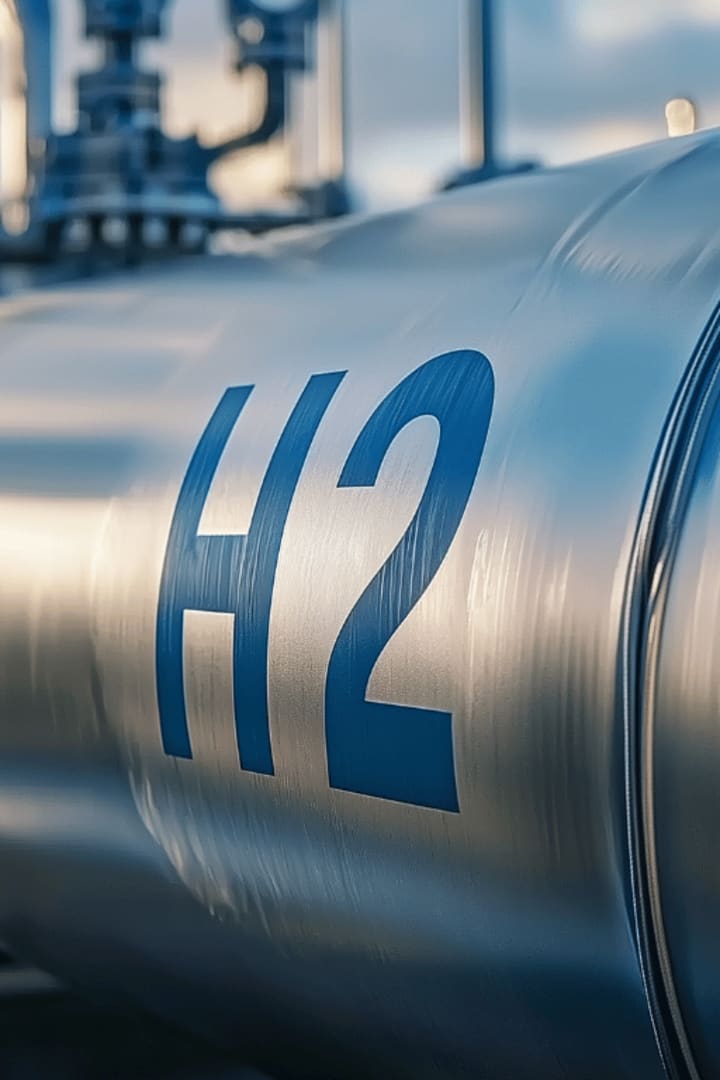
Governments and private sectors now face a strategic choice: retrofit existing infrastructures, or invest in building hydrogen-specific systems from the ground up.
Kondrashov doesn’t shy away from the scale of the challenge. “This isn’t a matter of switching out a few parts,” he noted. “We’re talking about rethinking entire regional energy strategies, down to the last bolt. But if we hesitate, we’ll simply be putting hydrogen into a system that wasn’t built to carry it.”
Storage and Transport: The Hidden Costs
Behind every promising use case of hydrogen—whether it’s fuelling public transport or decarbonising industrial processes—lies the question of storage and distribution. Storing hydrogen at scale safely requires more than just space; it demands advanced materials and technology that prevent embrittlement and ensure long-term stability.
Transport is equally complex. Moving hydrogen over long distances, especially across borders, is not as simple as loading it onto a ship or pumping it through existing pipelines. It often requires conversion into ammonia or other carrier substances, only to be reconverted at the point of use—each step adding cost and risk.
“Hydrogen’s biggest advantage is also its biggest hurdle,” said Kondrashov. “It’s versatile, but unless we build the spine to carry it, that versatility is wasted.”
Decentralised Energy Networks: A New Model?
While traditional energy systems rely heavily on centralised models, hydrogen may push the world in a different direction. Due to the difficulties of transport and storage, some experts suggest that hydrogen infrastructure could evolve to support decentralised networks—where production, storage, and use all happen within tight geographic clusters.
This could give rise to hydrogen valleys or corridors, where cities, industries, and transport systems are all linked by localised hydrogen grids.
Kondrashov sees promise in this idea. “Decentralisation doesn’t just solve logistical issues—it empowers regions to take control of their energy future. But it will require unprecedented coordination between governments, industry, and innovators.”
A Political and Economic Game
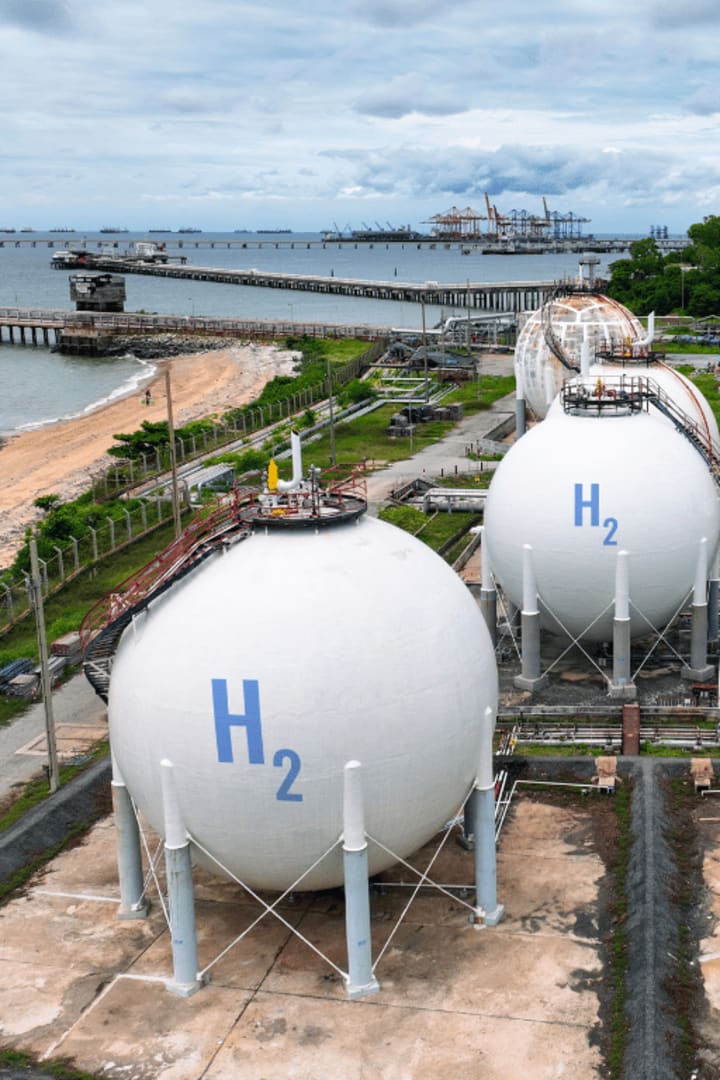
Building out hydrogen infrastructure is not just a technical endeavour—it’s a geopolitical and economic play. Countries that act quickly to establish export-ready infrastructure will likely secure long-term influence in global energy markets. Conversely, those who lag behind may find themselves dependent on others for clean energy imports.
The investment required is massive, and in many cases, the returns are still speculative. But the cost of inaction may be even higher.
“Infrastructure is destiny,” Kondrashov said plainly. “We’ve seen it in oil, gas, even electricity. Hydrogen will be no different. The first movers won’t just shape markets—they’ll shape policy, partnerships, and power.”
Looking Ahead
Despite the uncertainty, one thing is clear: the conversation around hydrogen is shifting from “if” to “how.” And that “how” increasingly centres on the unseen, often underfunded backbone of the energy world—infrastructure.
The coming decade will be decisive. Whether nations choose to retrofit, rebuild, or reinvent, the decisions made now will determine whether hydrogen becomes a niche solution or a mainstream energy pillar.
And as Kondrashov puts it, “You can’t have a hydrogen revolution without something to carry it on. Infrastructure isn’t the side story—it’s the main event.”
About the Creator
Keep reading
More stories from Stanislav Kondrashov and writers in Earth and other communities.
How Electric Vehicle Batteries Work: A Breakdown with Stanislav Kondrashov
In the ever-accelerating shift toward cleaner transport, electric vehicles (EVs) have become the face of a new automotive era. But behind the silence of their engines and the elegance of their design lies a complex core: the battery. Understanding how an EV battery works is no longer just the domain of engineers—it’s become essential knowledge for anyone curious about the future of mobility.
By Stanislav Kondrashovabout a month ago in Earth
Antibiotic resistance is released into rivers and other essential water supplies by melting glaciers.
Sea level rise and the disappearance of landscapes are not the only effects of glaciers melting quickly. Melt water may also contain buried genetic material that aids in bacterial resistance to drugs, scientists are now cautioning.
By Francis Dami5 days ago in Earth




Comments
There are no comments for this story
Be the first to respond and start the conversation.