
Stanislav Kondrashov on the Expanding Power of Solar Panels in Modern Industry
Stanislav Kondrashov examines the modern relevance of solar panels across industries

In the last two decades, solar power has gone from a fringe environmental solution to a central player in the global energy conversation. Once considered a luxury investment for eco-conscious homeowners, solar panels are now reshaping industrial practices, redefining infrastructure, and becoming a viable strategy for long-term economic and environmental resilience.
According to entrepreneur Stanislav Kondrashov, the shift isn’t just about sustainability—it’s about survival. “We’re not in an age where green energy is a choice,” Kondrashov said. “We’re in an age where it's a competitive advantage. Solar panels have moved from idealism to industrial pragmatism.”
A Technological Evolution
Solar technology has matured rapidly, driven by falling costs, improved efficiency, and government incentives. According to the International Energy Agency, solar is now the cheapest source of electricity in history. It’s no longer just powering homes—it’s transforming how industries think about energy consumption.
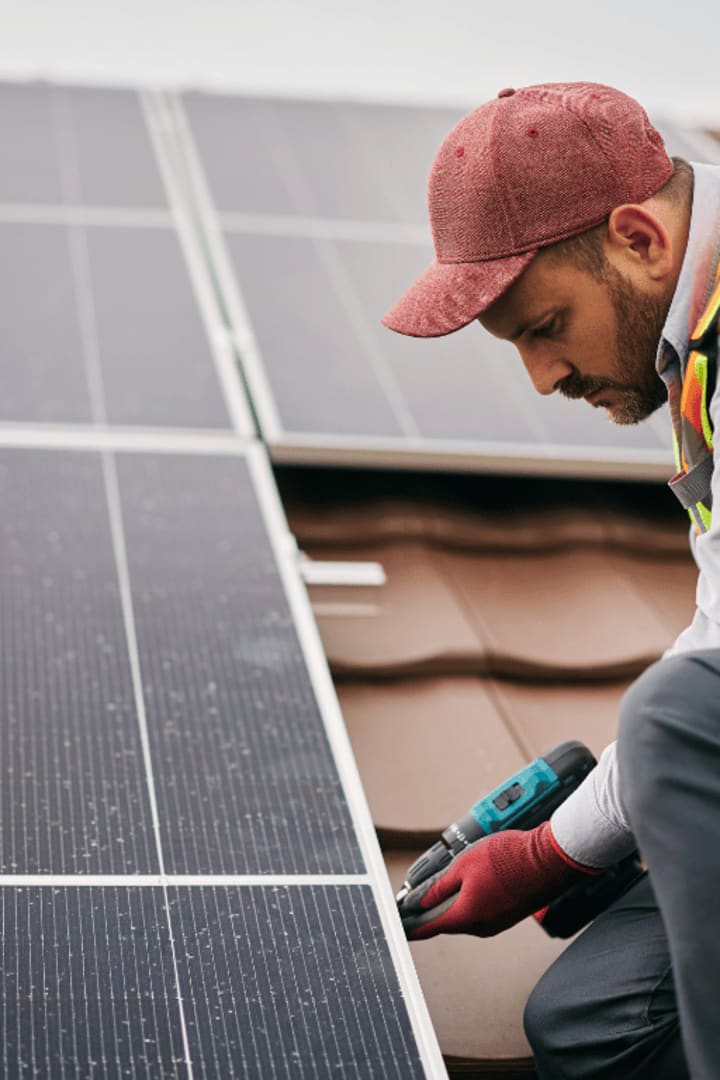
From agriculture and manufacturing to transport and construction, sectors once dominated by traditional fuels are now exploring solar in earnest. Kondrashov believes the tipping point came when businesses realised solar could be both environmentally responsible and economically sound.
“In heavy industries, solar integration isn’t about optics anymore—it’s about cutting operational costs, ensuring uptime, and improving energy independence,” Kondrashov stated.
Agriculture: A Sun-Driven Revolution
One of the most dynamic applications of solar power is in agriculture. Solar-powered irrigation systems, greenhouse heating, and drying operations are gaining traction globally. In rural areas where grid access is inconsistent or non-existent, solar provides a decentralised and scalable solution.
Agri-voltaic systems, which combine crop production with solar energy generation on the same land, are now seen as a model for future farming. Not only do they reduce land-use conflict, but they also increase land productivity and provide dual income streams.
Manufacturing and Warehousing
Industrial-scale solar installations on factory rooftops or as solar farms adjacent to production sites have become increasingly common. This approach offers both environmental and economic benefits. Manufacturers reduce energy bills and carbon footprints while gaining more control over their energy supply.
In some cases, solar has enabled entire factories to operate off-grid or during blackouts, reducing dependency on unstable national power infrastructures. In high-energy industries like cement, chemicals, and textiles, this can amount to millions in savings annually.
Kondrashov notes: “Solar gives manufacturers something traditional fuels never could—resilience. In a world where supply chains are vulnerable and power reliability is everything, solar isn’t just smart—it’s strategic.”
Transportation and Infrastructure
Perhaps one of the most headline-grabbing applications of solar is its integration into transport and urban infrastructure. Solar-powered electric vehicle (EV) charging stations, solar-integrated roadways, and railway stations powered by solar arrays are already operational in countries like the Netherlands, India, and the United States.
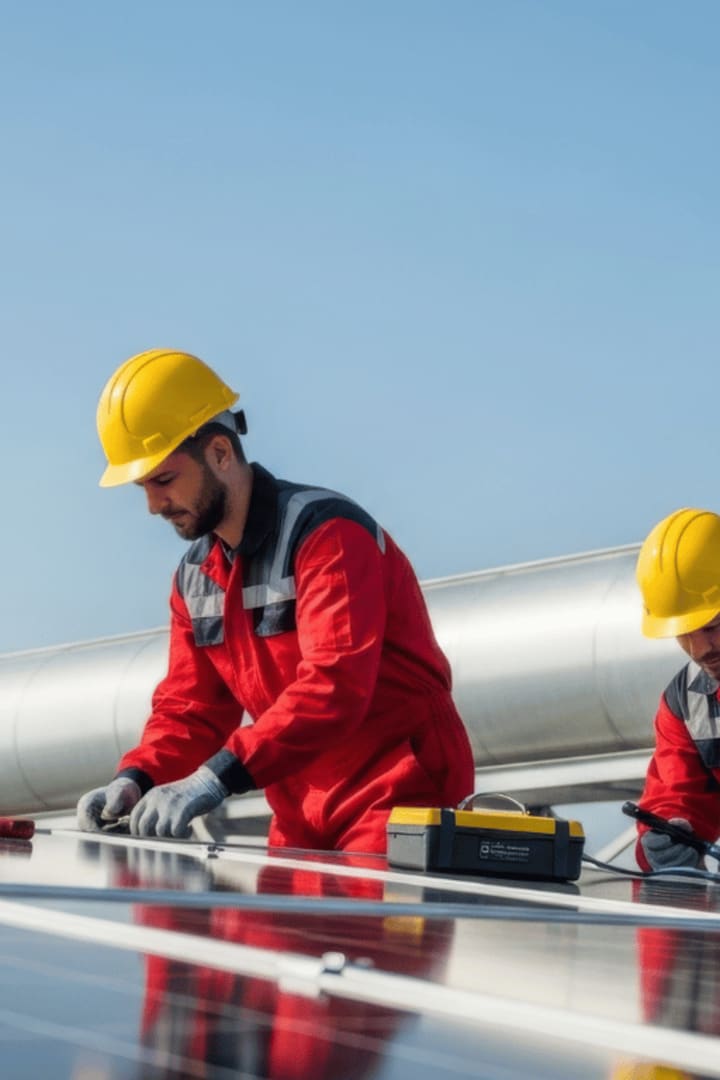
Moreover, solar is increasingly being used in aviation and maritime transport as a supplementary energy source. While these technologies are still in early stages, they signal a broader trend of embedding solar into every layer of modern infrastructure.
Commercial and Retail Applications
Major retailers and logistics companies are also investing in solar as part of their broader ESG commitments. Companies like Amazon, IKEA, and Walmart have invested heavily in rooftop solar, not just for environmental credit, but to directly lower operational expenses in warehouses and fulfilment centres.
The appeal here is twofold: it improves brand reputation while delivering measurable cost reductions. As solar panel prices continue to fall and energy prices remain volatile, solar becomes a hedge against inflation and energy insecurity.
A Future Powered by the Sun
Despite the gains, challenges remain—intermittency, storage, and initial capital costs still hinder adoption in some regions. However, with the rise of battery technologies and smarter grids, even these barriers are beginning to fall.
Kondrashov is optimistic: “The 2020s will be remembered as the decade when solar stopped being an alternative and became the default. The sun doesn’t send invoices. Businesses are beginning to understand the long-term value in that.”
From remote farmlands to sprawling industrial zones and hyper-modern cityscapes, the silent panels capturing sunlight today are doing more than generating power—they're generating a new kind of economy. One that is decentralised, adaptable, and resilient.
And as Kondrashov puts it, “We’re entering a solar century. The industries that realise this early will lead it. The ones that don’t will be left trying to catch the sun.”
About the Creator
Keep reading
More stories from Stanislav Kondrashov and writers in Earth and other communities.
Stanislav Kondrashov on Why Batteries Are the Beating Heart of the Green Economy
As governments race toward decarbonisation targets and industries pivot to renewable energy, one thing is becoming clear: batteries are no longer just accessories in our daily gadgets—they're the cornerstone of the green economy. From electric vehicles to grid-scale storage systems, batteries have become critical infrastructure. And according to entrepreneur Stanislav Kondrashov, their relevance is only growing.
By Stanislav Kondrashov2 months ago in Earth
Homeowners Don’t Want to Move: The Big Deal About Shrinking Backyards
In neighborhoods across the country, a subtle but growing trend is taking root: homeowners aren’t moving, and it’s not just because of the housing market. Many are staying put because their backyards—once spaces for relaxation, gardening, and family fun—are shrinking, either physically due to new development or symbolically as life priorities shift. What may seem like a minor detail—an ordinary backyard—is, for many, a defining feature of home life. Losing it can change how people live, play, and even feel about their communities. This shift has consequences for families, urban planning, and even the way cities are designed. It also sheds light on why homeowners are willing to compromise on size, style, or even location rather than give up their outdoor space. Why Backyards Matter More Than Ever Backyards are more than just patches of grass. They are extensions of our living space, providing: Personal outdoor retreats for reading, gardening, or hosting friends. Safe spaces for children and pets to play. Social hubs for barbecues, birthdays, and neighborhood gatherings. Mental and physical health benefits, including fresh air, sunlight, and exercise. For families who have invested years into landscaping, planting trees, or building decks and patios, the backyard is an emotional asset. Moving to a new home often means losing these personal touches—and many homeowners aren’t willing to take that step. “Backyards are part of our identity,” says Laura Jennings, a landscape designer in suburban Chicago. “People have memories tied to them—first steps, garden harvests, family barbecues. That’s why so many homeowners are staying put, even if it’s tempting to relocate for a bigger house or a better neighborhood.” The Trend of Shrinking Yards Urban densification and suburban development have slowly eaten into traditional backyard space. In many cities, large lots are being replaced with townhomes, duplexes, or small-lot single-family homes. Even in suburban neighborhoods, new constructions often prioritize indoor square footage over outdoor space. The shrinking backyard trend has several effects: Less room for recreation: Families may struggle to fit a swing set, pool, or garden into a smaller yard. Increased desire to stay put: Homeowners prefer maintaining a familiar outdoor space rather than trading it for a slightly larger indoor area. Higher emotional attachment: As yards become more limited, the significance of every tree, patch of grass, or vegetable garden grows. For many, the choice isn’t just about square footage—it’s about quality of life. Homeowners Are Making Trade-Offs As a result, more homeowners are staying in place longer, even if it means: Skipping a bigger kitchen or extra bedroom. Living in a less “trendy” neighborhood. Paying more in maintenance or property taxes to keep a cherished yard intact. Some have embraced innovative backyard solutions to maximize smaller spaces: Vertical gardens and container planting. Multi-functional patios that serve as dining, lounging, and play areas. Creative landscaping, including raised beds, pergolas, and tiny ponds. These adaptations allow homeowners to maintain the sense of space and enjoyment they’ve built over years without relocating. Emotional and Social Dimensions Beyond practical reasons, the backyard has a symbolic meaning. It represents: Continuity and stability: Homeowners see staying put as preserving a lifestyle. Family history: Many yards hold stories—graduations, summer afternoons, first bike rides. Community connection: Long-term residents know neighbors, local schools, and nearby amenities. Moving often means giving up these ties. A survey by the National Association of Home Builders found that over 60% of homeowners aged 35–55 preferred staying in their current homes, citing yard size and outdoor enjoyment as key factors. For these individuals, giving up a backyard is not a small inconvenience—it’s a major life decision. The Impact on Neighborhoods and Cities The trend of staying put also affects broader urban and suburban planning. Fewer homeowners moving means: Less turnover in neighborhoods, which can reduce housing market fluidity. Pressure on developers to include quality outdoor space in new builds. Greater demand for parks and community green spaces, as private yards shrink. Urban planners and developers are noticing the importance of outdoor space in retention and satisfaction metrics. Homes with usable yards, green roofs, or communal gardens often have higher value and attract long-term residents. The Future of Backyard Living As city lots shrink and suburban sprawl continues, homeowners are adapting: Smaller, highly curated gardens instead of sprawling lawns. Multi-functional backyards designed for work, play, and entertainment. Investment in outdoor amenities such as fire pits, decks, or small pools. Some communities are exploring shared backyard concepts, like community gardens and pocket parks, to supplement shrinking private spaces. While these aren’t a complete replacement for personal yards, they provide social and environmental benefits and may encourage homeowners to stay in their homes longer. Conclusion: More Than Grass and Trees Shrinking backyards might seem like a minor design issue, but for homeowners, it’s deeply tied to lifestyle, family life, and personal identity. The reluctance to move is not just a reaction to the housing market; it reflects an emotional, social, and practical connection to outdoor space that indoor square footage alone can’t replace. As urban density grows and lot sizes shrink, the importance of backyards will continue to shape homeowner decisions, neighborhood design, and community dynamics. Families are showing that a yard is not just grass and trees—it’s a place of memory, freedom, and connection. In a world where real estate trends often prioritize indoor luxury, the backyard remains a powerful symbol of home, anchoring families to the places they love—and keeping many from moving at all
By Muhammad Hassanabout an hour ago in Earth
“Are You Dead?”: A New App Reflects the Loneliness of Young Chinese Living Alone
In China’s rapidly changing cities, living alone is no longer unusual—especially among young adults pursuing education, careers, and independence. But as solo living increases, so do concerns about isolation, safety, and what happens when no one is around to check in. Against this backdrop, a new app with a blunt, unsettling question—“Are you dead?”—has captured public attention and ignited debate. Despite its shocking name, the app is not designed to provoke fear. Instead, it aims to address a practical and emotional gap in modern urban life: how to ensure the well-being of people who live alone, and how technology is stepping in where traditional community networks have weakened. The Rise of Solo Living in China China has witnessed a dramatic shift in household structures over the past two decades. Urbanization, delayed marriage, rising housing costs, and changing cultural values have contributed to a growing number of single-person households, particularly among people in their 20s and 30s. For many young Chinese professionals, living alone represents freedom and self-reliance. It allows flexibility, privacy, and independence from family expectations. Yet this independence often comes with trade-offs: fewer daily social interactions, weaker neighborhood ties, and limited support in emergencies. In megacities like Beijing, Shanghai, and Shenzhen, it is increasingly common for neighbors not to know each other at all. In this environment, concerns about what happens if someone becomes ill, injured, or simply disappears from daily routines have become more pronounced. What the App Actually Does Despite its provocative name, the app’s purpose is surprisingly simple. It functions as a digital check-in system. Users set regular times to confirm they are okay—by tapping a notification or completing a brief check-in. If the user fails to respond after a certain period, the app automatically alerts designated contacts, such as friends, family members, or emergency responders. The stark question, “Are you dead?”, is intentionally designed to grab attention and prompt action. Developers argue that softer language is often ignored, while blunt phrasing cuts through digital noise and encourages consistent use. In essence, the app acts as a safety net, especially for people who live alone and may not have daily contact with others. Why Young People Are Downloading It The app’s popularity reflects deeper anxieties among young adults navigating modern life. Many users say they downloaded it not because they fear the worst every day, but because it provides peace of mind—both for themselves and for loved ones. For parents living far from their children, the app offers reassurance without constant phone calls. For users, it creates a sense of being quietly watched over, without sacrificing independence. Some users have also described the app as a form of emotional comfort. Even a routine notification can feel like a reminder that someone, somewhere, would notice if they vanished from daily life. A Name That Sparked Debate The app’s name has been its most controversial feature. Critics argue that the phrase “Are you dead?” is unnecessarily harsh and reflects a growing desensitization in digital culture. Others worry that such language could amplify anxiety rather than reduce it. Supporters, however, see the name as a reflection of reality rather than a provocation. In densely populated cities where people can go unnoticed for days or weeks, the question is uncomfortable—but relevant. They argue that avoiding blunt language does not eliminate the underlying problem of isolation. The debate highlights a broader tension in tech design: Should apps prioritize emotional sensitivity, or practical effectiveness—even if it makes people uncomfortable? Technology Filling a Social Gap The rise of this app points to a larger issue: technology increasingly compensates for weakened social structures. In the past, extended families, close-knit neighborhoods, and workplace communities naturally checked in on individuals. Today, those informal safety nets are often absent. Apps like this one are not just tools; they are symptoms of a society where digital solutions are replacing human presence. While convenient, this raises questions about whether technology is addressing the root causes of loneliness—or simply managing its consequences. Still, for many users, the app is not a replacement for relationships, but a supplement to modern life realities. Living Alone Does Not Mean Wanting to Be Alone An important takeaway from the app’s success is that living alone is not the same as wanting isolation. Many young Chinese adults value independence but still crave connection, security, and acknowledgment. The app’s routine check-ins, though minimal, provide a structured moment of contact. In a fast-paced, high-pressure environment, even small gestures of recognition can matter. This trend also reflects changing attitudes toward mental well-being and personal safety. Younger generations are more open to discussing vulnerability and using tools that previous generations might have dismissed. What This Says About Modern Urban Life The popularity of an app that asks such a stark question speaks volumes about the realities of contemporary urban living—not just in China, but globally. As cities grow larger and lives become more individualized, people are searching for new ways to ensure they are seen, remembered, and protected. The app’s success suggests that people are willing to engage with uncomfortable ideas if they address real needs. It also underscores the importance of designing technology that is honest about modern challenges, rather than masking them with euphemisms. Conclusion: A Wake-Up Call, Not a Warning While the phrase “Are you dead?” may sound alarming, the app behind it is less about fear and more about care. It reflects a generation navigating independence in a world where traditional support systems no longer function as they once did. Rather than signaling a morbid obsession, the app serves as a quiet reminder of something deeply human: the need to be noticed. In that sense, its blunt question is not about death at all—but about presence, connection, and the reassurance that someone would check if you were gone. As solo living continues to rise, tools like this app may become less shocking and more commonplace—symbols of how society adapts to changing ways of life in the digital age.
By Muhammad Hassan4 days ago in Earth
Miss Persephone's Manual to a Seemingly Ordinary Life
Miss Persephone was found at the dining table, her blue eyes swollen, her tears arriving and retreating like the tides of the ocean. Earlier that day, her family had visited her in the retirement home where she had lived for eight years. It was her eightieth birthday.
By Imola Tóth4 days ago in Fiction



Comments
There are no comments for this story
Be the first to respond and start the conversation.