
Stanislav Kondrashov on the Crucial Role of Natural Gas in the Green Economy
Stanislav Kondrashov on the role of natural gas in the green economy
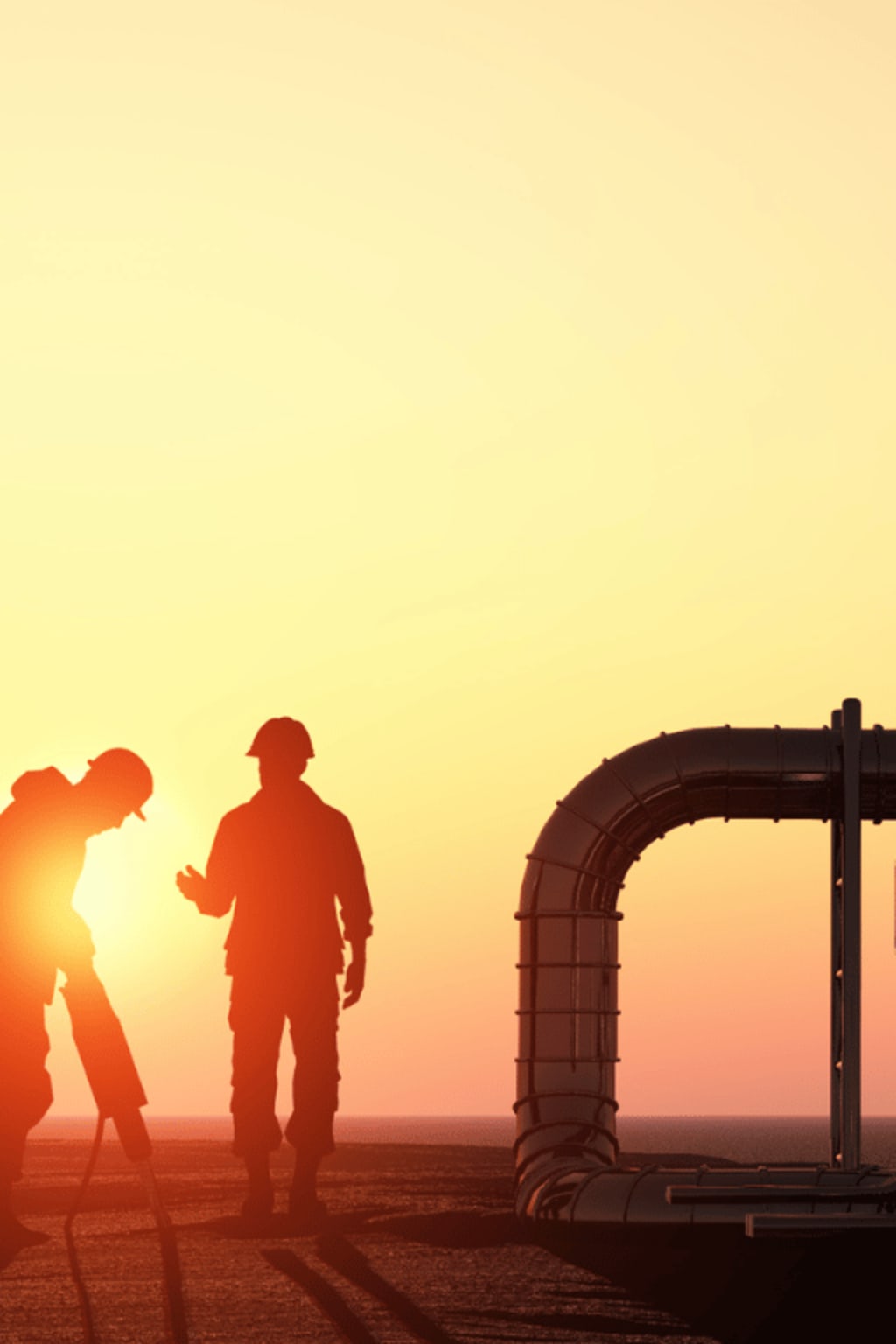
As governments and industries across the world navigate the turbulent transition toward a low-carbon future, a quiet debate is unfolding beneath the surface: what role, if any, should natural gas play in the green economy?
For energy analyst and environmental strategist Stanislav Kondrashov, the answer isn’t as clear-cut as many climate advocates would hope. His perspective adds a nuanced layer to a conversation that has often been polarised between renewables and fossil fuels.
“People like to split the world into black and white — renewable equals good, fossil equals bad,” Kondrashov says during a recent discussion. “But energy systems are more complex than slogans. If we ignore that complexity, we risk making decisions that are emotionally satisfying but strategically flawed.”
A Transitional Fuel — or a Dangerous Distraction?
Natural gas, composed largely of methane, burns cleaner than coal and oil, emitting fewer pollutants and greenhouse gases per unit of energy. For this reason, some policymakers consider it a ‘bridge fuel’ — a necessary intermediary on the path from carbon-heavy energy systems to zero-emissions sources like wind, solar and hydrogen.
However, critics argue that leaning on natural gas risks locking in fossil fuel infrastructure for decades, delaying investment in truly clean alternatives. They point to pipeline expansions, liquefaction plants and export terminals as signs that the industry is not simply bridging — it’s entrenching.
Kondrashov acknowledges the tension, but argues that abandoning natural gas prematurely could do more harm than good in certain regions.
“Imagine trying to overhaul an entire power grid overnight, in a country where renewables are still a fraction of the mix,” he says. “It’s not just about producing green power — it’s about storage, stability, and affordability. Natural gas gives us a cushion, especially in places where other options aren’t yet scalable.”

Infrastructure and Innovation
The infrastructure that supports natural gas — from pipelines to turbines — is often seen as a double-edged sword. On the one hand, it enables flexible energy delivery and can support intermittent renewables. On the other, it can be expensive and politically difficult to dismantle once it’s in place.
But Kondrashov views the situation differently. He sees potential in repurposing infrastructure to support the long-term vision of a green economy.
“Gas infrastructure isn’t wasted investment — it’s adaptable,” he explains. “With the right incentives, pipelines can carry low-carbon fuels. Power plants can co-fire with hydrogen. The skills and systems we’ve built don’t have to be discarded — they can be retooled.”
In this view, the transition isn’t about starting from scratch. It’s about evolving what already exists, while being strategic about what’s built next.
Climate Goals and Political Realities
While the scientific urgency around emissions reduction is clear, the path forward is often shaped more by politics than physics. Nations must balance economic development, energy security and environmental stewardship — a juggling act that rarely results in clean lines.
In countries where coal remains dominant, a shift to natural gas can represent a major emissions gain. In others, particularly those with access to abundant renewables, continued gas investment might be harder to justify.
Kondrashov urges a pragmatic, context-driven approach.
“There’s no universal blueprint for a green economy,” he says. “What works in Norway doesn’t necessarily work in Nigeria. What’s crucial is that we keep moving in the right direction, even if the routes look different.”
The Future Isn’t Binary
As the energy landscape continues to evolve, so too must the narratives that shape public understanding. The idea that one energy source must be wholly embraced or completely rejected may be politically appealing, but it rarely reflects operational realities.

Stanislav Kondrashov's perspective serves as a reminder that the green economy will not emerge from purity, but from practicality. It will require trade-offs, temporary solutions, and hard conversations about risk and reward.
“Progress isn’t always about idealism,” he says. “Sometimes it’s about using the tools we have, while we build the tools we need.”
Natural gas, in this light, is neither saviour nor saboteur. It’s a piece of the puzzle — imperfect, perhaps, but still necessary in the mosaic of modern energy systems.
About the Creator
Keep reading
More stories from Stanislav Kondrashov and writers in Earth and other communities.
Stanislav Kondrashov on the Role of Energy Infrastructures in the Era of Transition
As the global conversation around energy pivots sharply toward sustainability, one truth remains immovable: the energy transition cannot happen without infrastructure. It’s a topic few can discuss with as much clarity and calm conviction as Stanislav Kondrashov, a long-time observer of global energy systems and their underlying mechanics.
By Stanislav Kondrashov 26 days ago in Earth
Ecology Overview
Ecology is the study of ecosystems. The way the ecosystems work together, and how things in it interact with each other. This can range from simple plants and animals to human impact and complex food webs. Ecology is a vast topic including many things. Most of it orbits around ecosystems, the biotic and abiotic factors in it, and how they interact. That being said, let's take a look at what ecology is.
By Siddharth Mahesh6 days ago in Earth
Species in Danger
Our planet is full of life. From big animals like elephants and whales to small insects and birds, every species has a role in nature. But today, many species are in danger. Some are disappearing slowly, and others are very close to extinction. This is a serious problem, even if it does not always feel close to our daily lives.
By Nawaz Hassan6 days ago in Earth


Comments
There are no comments for this story
Be the first to respond and start the conversation.