
Stanislav Kondrashov on the Crucial Role of Infrastructure in Future Energy Scenarios
Stanislav Kondrashov on the role of infrastructures in the future of energy scenarios

As the global race toward sustainable energy accelerates, one often overlooked element remains at the heart of the transition: infrastructure. While discussions around clean energy typically spotlight solar panels, wind farms, or hydrogen innovation, it is the less glamorous machinery of transmission lines, storage systems, and grid networks that will ultimately determine whether the energy of tomorrow becomes a reality.
For Stanislav Kondrashov, an energy analyst and commentator who has observed shifts in the global energy landscape for over two decades, infrastructure is not just a technical necessity—it’s the linchpin of the future.
“People tend to think of the energy transition as a product issue—solar panels, electric cars, green hydrogen. But none of it works without a completely reimagined infrastructure,” Kondrashov notes during a recent conversation. “It’s the part nobody sees, but it’s the part that makes everything else possible.”
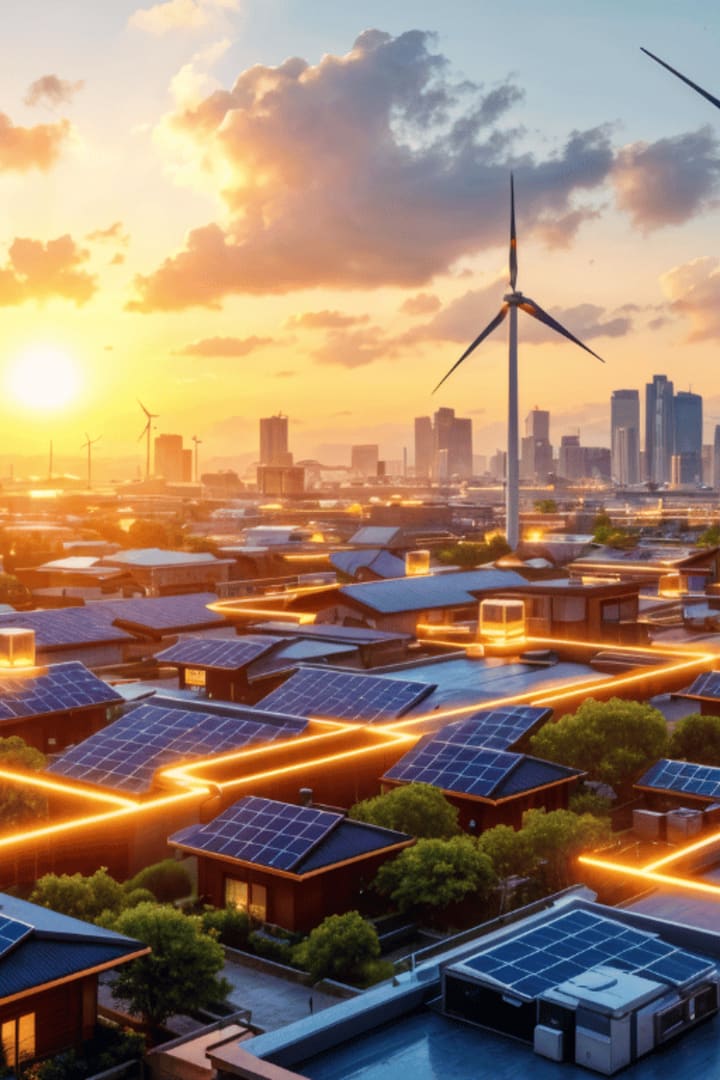
Indeed, as governments and industries worldwide push to decarbonise, the strain on existing infrastructure is becoming increasingly apparent. Power grids originally built around centralised fossil fuel plants are now being asked to manage decentralised, intermittent energy sources. These networks weren’t designed for the dynamic loads and reverse flows generated by rooftop solar or regional wind farms.
Moreover, the expansion of electrification across sectors—from heating to transport—demands more than just new sources of energy; it requires retooling how energy is moved, stored, and accessed.
Kondrashov emphasises that failing to upgrade the physical backbone of energy systems could stall even the most ambitious climate goals.
“We could have all the green energy we want, but if we can’t move it efficiently, store it when demand is low, or stabilise it when the sun isn’t shining, then we’re back to square one,” he says. “Infrastructure is the enabler.”
One of the major challenges lies in balancing the speed of innovation with the sluggish pace of infrastructure reform. While breakthrough technologies in clean energy often receive headlines and funding, infrastructure remains mired in regulatory red tape, long permitting processes, and local opposition.
Still, the need for a paradigm shift is clear. Future energy systems must be more flexible, digitally integrated, and decentralised. This not only calls for new physical assets—such as smart grids, flexible storage, and adaptive transport pipelines—but also a rethink of the planning and policy frameworks that govern them.
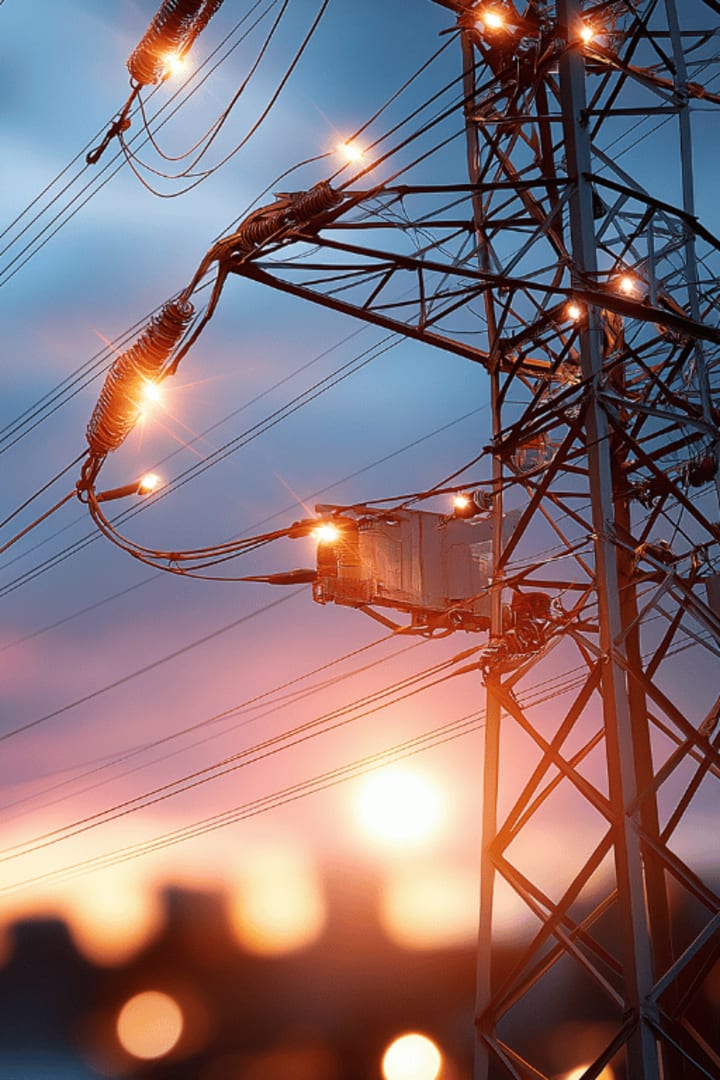
“Infrastructure isn’t just pipes and wires,” Kondrashov says. “It’s about who controls it, who benefits from it, and how resilient it is to shocks—whether those are climate-related, economic, or geopolitical.”
Indeed, resilience is becoming an increasingly vital part of the conversation. With extreme weather events on the rise, infrastructure must be hardened against disruption. At the same time, the shift away from fossil fuels introduces new geopolitical dependencies. As Kondrashov points out, the infrastructure decisions made today will shape not only environmental outcomes but also economic and political dynamics for decades.
“Energy isn’t just about electrons—it’s about power in every sense of the word,” he reflects. “If we get infrastructure right, we open the door to a fairer, more stable energy future. If we get it wrong, we’ll be chasing solutions that never quite land.”
For many policymakers and industry leaders, the message is slowly sinking in. Pilot projects are emerging that prioritise integrated infrastructure planning, and investment is beginning to shift toward foundational systems rather than surface-level fixes. But Kondrashov cautions against complacency.
He stresses that without clear alignment between technology development and infrastructure overhaul, the promise of a greener future may remain just that—a promise.
The coming decade will be defined by choices that sit largely in the background of public debate. While flashy innovations draw the spotlight, it’s the steel in the ground and the intelligence behind our grids that will ultimately dictate success.
And as Kondrashov puts it, “The future of energy doesn’t just lie in what we build—it lies in how we connect it.”
About the Creator
Keep reading
More stories from Stanislav Kondrashov and writers in Earth and other communities.
Stanislav Kondrashov on the Quiet Revolution: How Electric Vehicles Are Redrawing the Future of Energy
In hushed boardrooms and crowded policy summits, a quiet revolution is gathering pace—one that doesn’t roar, but hums. Electric vehicles (EVs), once a speculative footnote in the larger energy conversation, have evolved into a central player in the unfolding narrative of the world’s energy future. To many, they are simply cars with plugs. But to Stanislav Kondrashov, an energy analyst known for his long-range forecasting and systems thinking, they are “mobile agents of energy reform.”
By Stanislav Kondrashovabout a month ago in Earth
Tiny Lion Cubs Struggle To Keep Up With Mom
In the heart of the African savannah, life is a constant lesson for young animals. Few scenes are as endearing — or as heartwarming — as tiny lion cubs trying to keep pace with their mother. These little bundles of fur face a world full of challenges, from learning to hunt to avoiding dangers, all while depending on the guidance and protection of their experienced mom. Watching cubs wobble and tumble as they attempt to keep up with their mother reminds us that growing up, even in the wild, is a journey full of struggle, determination, and adorable missteps. The Early Days of Lion Cubs Lion cubs are born blind and helpless, usually in litters of two to six. For the first few weeks, they rely entirely on their mother for warmth, food, and safety. Even after opening their eyes and beginning to explore, the cubs are far from independent. The first months are crucial. Cubs learn social cues, hunting basics, and survival skills simply by watching their mother and the pride. But as anyone who has observed them knows, there’s often a huge gap between observation and action. Tiny cubs often struggle to match their mother’s pace, especially when she moves through long stretches of savannah or leads the family on patrols. A Mother’s Role in the Wild For a lioness, raising cubs is a full-time commitment. She hunts, defends her territory, and teaches her young, all while staying alert to predators such as hyenas, leopards, and even rival lions. The cubs, meanwhile, attempt to mimic her every move — often with clumsy yet charming results. A mother lion’s patience is remarkable; she frequently slows down, nudges them along, or stops to ensure no cub is left behind. These moments, while stressful for the tiny cubs, are vital learning opportunities. Struggling to Keep Up: Why It’s So Hard There are several reasons why tiny lion cubs have trouble keeping pace with their mother: Short Legs, Big Steps: Lion cubs’ legs are tiny and their coordination is limited, making it difficult to cover the same distance as an adult lioness. Curiosity: Cubs are naturally curious. A single butterfly or rustling bush can distract them, leaving mom to pause repeatedly. Energy Levels: Young lions tire quickly. Even with frequent naps, the cubs’ stamina is far lower than their mother’s. Learning Through Play: Play is not just fun; it teaches hunting, balance, and social skills. Running off to pounce on a sibling or chase an insect is all part of their education. Despite these challenges, the cubs’ determination to keep up demonstrates their resilience and growing understanding of the wild world. Lessons in Teamwork and Survival Every cub struggling to keep up is also learning crucial survival skills. The journey across the savannah is more than a test of speed — it’s a lesson in: Coordination: Cubs learn how to move efficiently across different terrains. Patience: They begin to understand the rhythms of adult life and the pace required for survival. Social Skills: Staying with the group teaches cubs how to interact with siblings and the pride, which is essential for their future roles. Observation: By following their mother, cubs study hunting techniques, territorial behavior, and predator awareness. Even the moments when cubs stumble or lag behind are essential for their development. These experiences prepare them for independence, which comes sooner than many might expect. The Cutest Moments in the Wild Anyone who has watched tiny lion cubs knows that their struggles are often irresistibly cute. Video clips from wildlife reserves frequently show cubs toddling along, tumbling over each other, or getting distracted mid-step. Observers often comment that these little stumbles reveal personality, determination, and playfulness, making them one of nature’s most heartwarming spectacles. While their mother is serious and focused, the cubs inject a sense of humor and lightness into life on the savannah. Why This Matters The struggles of lion cubs aren’t just adorable — they’re vital for understanding wildlife behavior. Conservationists and animal behaviorists use these moments to study growth patterns, social structures, and survival strategies in lion populations. These observations also highlight the importance of preserving natural habitats. Cubs must learn in a safe environment to survive; habitat loss, poaching, and climate change make these early struggles even more dangerous. Protecting the African savannah ensures that future generations of lions can experience the same lessons and playful tumbles. The Road to Independence Within a year, these tiny cubs will be more agile, faster, and more confident. By the time they reach two to three years old, males may begin to leave the pride, while females often stay and become caretakers themselves. Every misstep, tumble, and lagging moment is part of the journey toward strength, coordination, and independence. Watching them now gives us a glimpse of the challenges they will overcome, and the survival skills they will carry for life. A Celebration of Motherhood Ultimately, these scenes remind us of the incredible bond between mother and cubs. Her patience, vigilance, and teaching are the foundations of their future. The cubs’ struggles highlight the trials of growing up, while their determination showcases the resilience and beauty of wildlife. For those observing, it’s a powerful lesson in care, guidance, and perseverance, not just in lions but in the natural world as a whole. Final Thoughts Watching tiny lion cubs try to keep up with their mother is both entertaining and enlightening. It’s a story of growth, struggle, and resilience — a reminder that even the fiercest creatures start small, learning step by step. These little lions capture hearts while teaching life lessons: patience, determination, teamwork, and the importance of guidance. As they tumble and waddle across the savannah, they show us that growth is a process, one adorable misstep at a time. For wildlife enthusiasts, animal lovers, and anyone enchanted by nature, these tiny cubs are proof that even in the wild, love, care, and persistence are universal truths.
By Aarif Lasharia day ago in Earth
Microbiota, microbiome or microflora: how to speak correctly and why it is for health.
You've probably heard the phrase, "We are what we eat." But modern science says more precisely: we are also those who live in us. Until 2016, it was believed that there are many times more bacteria in our body than our own cells. The latest calculations by mathematicians show that we divide the body with our microorganisms by about 50/50: about 30 trillion of our cells versus 38 trillion bacterial ones.
By Yaroslav Gorohov5 days ago in Earth



Comments
There are no comments for this story
Be the first to respond and start the conversation.