
Southeast Asia Grapples with Widespread Flooding From Extreme Rainfall
Concurrent Weather Patterns Disrupt Transport and Damage Infrastructure, Prompting Government Intervention

A Regional Weather Crisis
Multiple nations across Southeast Asia are facing severe flooding. Thailand, Vietnam, and Indonesia are experiencing record levels of rainfall. This weather event is not isolated to a single country. It is a regional crisis linked to large-scale climate drivers. The consistent and heavy rain has overwhelmed river systems and urban drainage. The result is widespread damage to property and infrastructure. Governments are deploying emergency services and implementing economic measures to manage the impact.
The Climatic Drivers Behind the Deluge
Meteorologists attribute the intense rainfall to overlapping weather patterns. The La Niña phenomenon is a primary contributor. La Niña cools surface waters in the central and eastern Pacific Ocean. This cooling alters global weather patterns, leading to increased rainfall in Southeast Asia. This year, the La Niña effect is particularly pronounced. It coincides with other regional weather patterns, such as the Indian Ocean Dipole. The convergence of these systems has created ideal conditions for sustained and heavy precipitation.
Impacts in Thailand
In Thailand, flooding has affected large areas of the agricultural heartland. Farmland in the central plains is submerged. Key rice-growing regions are under water, threatening the national harvest. The economic damage to the agriculture sector is expected to be significant. In Bangkok, the capital city, authorities are operating water pumps continuously. They are trying to drain floodwater from suburban areas into the Chao Phraya River. Several main roads leading to the northern provinces are closed. This has disrupted the transport of goods.
Situation in Vietnam
Central Vietnam is bearing the brunt of the weather system. Cities like Hue and Da Nang have received record-breaking rainfall. Floodwaters have inundated thousands of homes. Local authorities have carried out evacuations in low-lying districts. The flood damage comes as the country was recovering from earlier economic pressures. The government is now allocating funds for immediate relief and for rebuilding infrastructure. There is concern about landslides in the mountainous regions adjacent to the coast.
Conditions in Indonesia
In Indonesia, the capital city of Jakarta and surrounding areas are severely affected. Frequent and intense downpours have caused rivers to overflow. Numerous neighborhoods in Greater Jakarta are flooded. Residents are using boats to navigate streets. The government has set up temporary shelters for those displaced by the water. The country's disaster management agency is focusing on search and rescue operations. They are also distributing essential supplies like food, clean water, and medicine to affected communities.
Disruption to Transport and Commerce
The flooding has caused major disruptions to regional transport networks. Roads are closed, and railway lines are submerged. This has delayed the delivery of goods and affected supply chains. Several major ports have also faced operational delays. The impact on local commerce is immediate, with markets and businesses forced to close. The tourism sector is also affected, with travel advisories issued for several popular destinations. The cumulative effect on regional trade is a growing concern for economists.
Emergency Government Responses
Governments have been forced to take swift action. Thailand has activated its military to assist with sandbagging and evacuation efforts. Vietnam has released emergency funding for affected provinces. The money is for direct aid to citizens and for repairing critical public works. In Indonesia, authorities are working to reinforce river embankments and control water flow from reservoirs. The focus for all governments is on preventing further loss of life and stabilizing the situation.
Global Attention and Search Trends
These concurrent disasters are generating significant international news coverage. Major global media outlets are reporting on the floods across the three nations. The scale of the event has captured worldwide attention. Online, search interest in terms like "Southeast Asia floods" and "La Niña 2024" has surged. This digital traction indicates a high level of public awareness and concern. The event is being seen as a case study in regional climate vulnerability.
Long-Term Economic Concerns
The economic consequences extend beyond immediate damage. The destruction of agricultural land will impact export volumes. Thailand and Vietnam are major global rice suppliers. A reduced harvest could affect global food prices. The cost of rebuilding roads, bridges, and public buildings will be substantial. Insurance companies are facing a high volume of claims. Governments may need to adjust national budgets to fund long-term recovery efforts, potentially diverting resources from other development projects.
The Climate Context
While extreme weather is part of the regional climate, scientists note that the intensity and frequency of such events are changing. The Intergovernmental Panel on Climate Change (IPCC) has projected an increase in heavy precipitation events for Southeast Asia. The current situation aligns with these projections. It highlights the need for enhanced climate adaptation strategies. This includes improved water management systems, updated urban planning, and stronger flood defense infrastructure to build resilience for the future.
About the Creator
Saad
I’m Saad. I’m a passionate writer who loves exploring trending news topics, sharing insights, and keeping readers updated on what’s happening around the world.
Police Warn Against ‘Ridiculous’ Parking at Beauty Spot Amid Snow Disruption
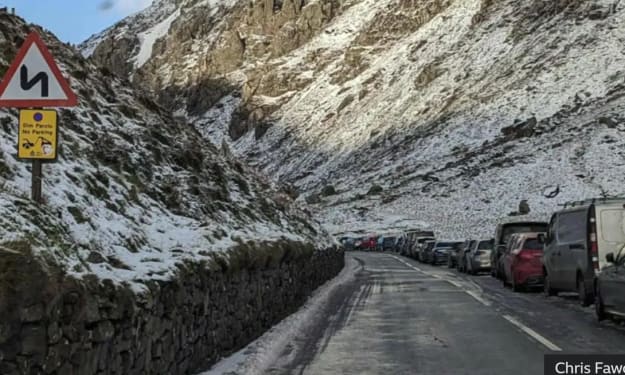
Heavy snowfall may transform beauty spots into winter wonderlands, but it also brings serious risks when visitors ignore basic safety and parking rules. Police have issued a strong warning against what they describe as “ridiculous” parking at a popular beauty spot, after snow disruption led to blocked roads, stranded vehicles, and delayed emergency access. As wintry conditions continue to affect travel, authorities are urging the public to prioritise safety over scenic photographs, reminding drivers that poor parking decisions can have life-threatening consequences during severe weather. Snowfall Turns Scenic into Hazardous The recent spell of snow attracted large numbers of visitors eager to enjoy picturesque landscapes blanketed in white. Hillsides, national parks, and rural viewpoints quickly became hotspots for walkers, families, and amateur photographers. However, police say the surge in visitors coincided with widespread parking chaos. Cars were left abandoned on narrow roads, grass verges, gateways, and even blocking access routes meant for emergency vehicles and local residents. What may appear to drivers as a harmless decision to “park for just a few minutes” can quickly escalate into a major safety issue—especially when snow and ice reduce road space and visibility. Police Response and Public Warning Local police forces have taken to social media and public statements to express frustration at the situation. Officers described some parking behaviour as not only irresponsible but dangerous, particularly given the weather conditions. Police warned that emergency vehicles, including ambulances and mountain rescue teams, were struggling to reach areas due to blocked roads. In severe weather, response times are already under pressure, and illegally parked vehicles can mean the difference between life and death. Authorities have also made it clear that enforcement action will be taken where necessary. Drivers risk fines, towing, and penalty points if their vehicles obstruct roads or endanger others. Impact on Emergency Services One of the most serious consequences of poor parking during snow disruption is its impact on emergency services. Narrow rural roads, already difficult to navigate in icy conditions, become completely impassable when cars are parked irresponsibly. Fire crews, paramedics, and rescue teams rely on clear access routes, particularly in popular beauty spots where accidents such as slips, falls, or stranded walkers are more likely in winter conditions. Police stressed that emergency vehicles do not have the luxury of “finding another way around” when roads are blocked. Delays caused by inconsiderate parking put both responders and the public at risk. Local Residents Left Frustrated It is not only emergency services that are affected. Residents living near popular beauty spots often bear the brunt of snow-related disruption. Driveways are blocked, access to homes becomes difficult, and essential journeys for work, medical appointments, or supplies are delayed. Many locals report feeling ignored by visitors who treat rural communities like seasonal attractions rather than lived-in areas. During winter weather, this frustration is magnified, as residents may already be dealing with power outages, poor road conditions, and limited access to services. Police have echoed these concerns, reminding visitors that beauty spots are often surrounded by working communities, not just open spaces for leisure. Why Snow Makes Parking More Dangerous Snow significantly reduces road safety margins. It narrows carriageways, hides road markings, and makes verges unstable. A car parked partly on a road might seem manageable in normal conditions, but in snow it can create blind corners, force vehicles into oncoming traffic, or cause skidding accidents. Additionally, snowploughs and gritters require space to operate effectively. Poorly parked vehicles can prevent these essential services from clearing roads, prolonging disruption for everyone. Authorities warn that even experienced drivers can underestimate how quickly conditions can change in winter weather. Social Media and the “Snow Day” Effect Police have also pointed to social media as a contributing factor. Viral images of snow-covered landscapes often encourage spontaneous trips without proper planning. People see beautiful photos and head out without considering parking availability, road conditions, or weather warnings. This “snow day” mentality can overwhelm rural infrastructure not designed for large volumes of traffic, particularly during adverse weather. Police urge visitors to check local advice before travelling and to be prepared to turn back if conditions are unsafe. Advice for Safe Winter Visits In response to the ongoing disruption, authorities have shared clear guidance for anyone planning to visit beauty spots during snowy conditions: Avoid unnecessary travel during severe weather warnings Park only in designated areas, never on roads or verges Do not block gateways, tracks, or emergency access routes Check weather and road conditions before setting off Be prepared to leave if parking is unavailable Police emphasise that no photograph or short walk is worth risking lives or causing serious disruption. Enforcement and Accountability While officers prefer to rely on public cooperation, they have confirmed that enforcement will be stepped up if irresponsible behaviour continues. Vehicles may be ticketed or removed, particularly if they pose a danger or obstruction. Authorities stress that enforcement is not about spoiling enjoyment but about ensuring public safety. Winter conditions demand higher levels of responsibility from drivers, not less. A Shared Responsibility Snow transforms landscapes, but it also tests public behaviour. Police warnings against “ridiculous” parking are not just expressions of frustration—they are urgent reminders that safety must come first. Enjoying nature is a privilege, not a right, especially during extreme weather. By parking responsibly and respecting local communities, visitors can help ensure that beauty spots remain accessible, emergency services remain effective, and winter days do not turn into preventable disasters. As snow disruption continues, the message from police is clear: think before you park, or don’t park at all
By Muhammad Hassan6 days ago in Earth



Comments
There are no comments for this story
Be the first to respond and start the conversation.