
Smart Waste Management in the Era of IoT and Augmented Intelligence
How Connected Devices and Intelligent Systems Are Revolutionizing Waste Collection and Sustainability


Introduction: Urban Growth Meets an Old Problem
As cities expand and populations surge, the amount of waste produced daily has outpaced the capacity of traditional hard rubbish collection systems. Overflowing bins, inefficient truck routes, and rising landfill costs have become common symptoms of an outdated model struggling to meet modern demands. The environmental implications are severe—over 30% of global waste still ends up polluting natural ecosystems, and much of it could have been recycled.
The solution lies in rethinking waste management as a data-driven system rather than a static municipal service. Emerging technologies such as the Internet of Things (IoT) and Augmented Intelligence (AI) are enabling a transformation toward smarter, cleaner, and more sustainable cities.
The IoT Revolution in Waste Management
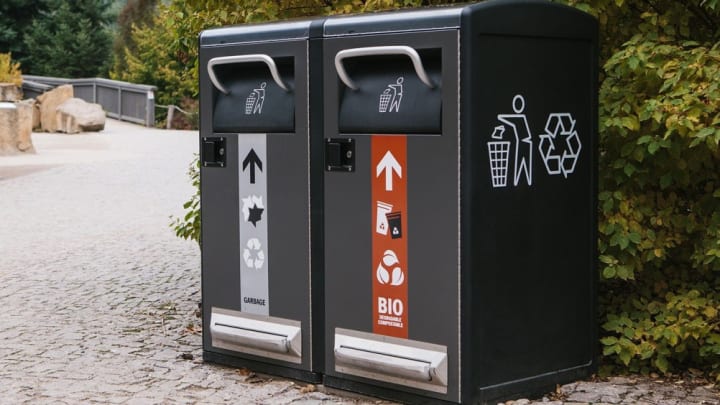
The Internet of Things brings intelligence to the most ordinary urban objects—including trash bins. By embedding low-power sensors inside waste containers, cities can now collect real-time data on fill levels, weight, and even temperature. This stream of information turns a previously manual and reactive system into a predictive, responsive network.
Instead of relying on fixed collection schedules, IoT-enabled bins report their status automatically to a central management platform. Collection teams are dispatched only when bins approach capacity, ensuring optimal use of fuel, time, and manpower. The result: fewer wasted trips, cleaner streets, and reduced carbon emissions.
Beyond simple monitoring, these systems provide a valuable data layer for city planners. By analyzing waste generation trends, municipalities can optimize bin placement, forecast seasonal waste patterns, and design more efficient collection infrastructure.
How Smart Systems Work
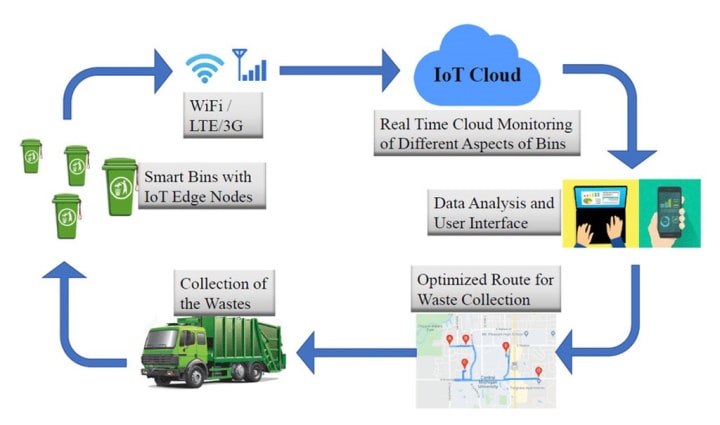
Smart waste collection follows a straightforward yet powerful workflow:
- Data Collection – Sensors continuously measure bin fill levels and environmental conditions.
- Data Transmission – Information is securely sent via low-energy networks like LoRaWAN or 5G to a central cloud platform.
- Analysis & Alerts – AI-driven software analyzes patterns and automatically generates alerts when bins reach set thresholds.
- Optimized Response – The platform recommends or auto-generates optimized collection routes, sending them directly to waste truck operators.
This automation eliminates the inefficiencies of traditional systems while maintaining flexibility to respond to unexpected surges in waste.
The Role of AI and Augmented Intelligence
While IoT provides data, AI turns that data into decisions.
AI algorithms learn from historical waste patterns, weather forecasts, and event schedules to predict when and where waste generation will peak. This allows municipalities to plan proactively—rerouting vehicles before bins overflow or adjusting manpower during busy periods.
Augmented intelligence takes this one step further by enhancing human decision-making rather than replacing it. Managers still oversee operations, but now with real-time dashboards and predictive insights that dramatically improve their effectiveness. This synergy between human expertise and machine learning is the true strength of next-generation waste management.
Key Benefits of Smart Waste Management
1. Operational Efficiency
IoT-enabled systems replace outdated static routes with dynamic, data-driven collection schedules. Trucks visit only the bins that need service, cutting unnecessary mileage and idle time. Studies show that optimized collection can reduce operational costs by up to 80% while extending vehicle lifespans.
2. Environmental Impact
Optimized routing and fewer truck journeys mean lower fuel consumption and carbon emissions. By ensuring timely collection, smart bins also prevent litter overflow, minimizing contamination, odor, and pest problems—contributing to cleaner and healthier urban environments.
3. Financial Savings
Fuel, maintenance, and labor are major expenses in municipal waste operations. Real-time monitoring helps cities and private contractors allocate resources precisely where needed, reducing wasteful spending and freeing up budgets for other sustainability projects.
4. Data-Driven Urban Planning
The collected data provides invaluable insights into how citizens produce and dispose of waste. This information supports better policymaking—from adjusting recycling programs to designing educational campaigns that promote responsible disposal habits.
Integration with Smart City Ecosystems
Smart waste management is a cornerstone of the broader smart city vision. Its success depends on seamless integration with other digital infrastructure, such as traffic management systems, renewable energy grids, and environmental monitoring networks.
For example, AI-powered waste data can be synchronized with smart traffic systems to schedule collections during low-traffic hours, further reducing congestion and emissions.
Data collected from waste streams can be used to advance plastic waste recycling systems, boosting material recovery and supporting circular economy initiatives.
Implementation Roadmap: A Phased Approach
Cities interested in adopting smart waste technologies can follow a structured four-phase model:
- Pilot Deployment: Start small by installing retrofit sensors on existing bins to gather baseline data.
- Centralized Monitoring: Use a software platform to visualize data, track trends, and test early automation capabilities.
- Route Optimization: Integrate AI-based route planning to transition from static to adaptive collection schedules.
- Scale and Integrate: Expand deployment citywide, integrating with other smart city platforms for unified data-driven governance.
This phased adoption allows municipalities to scale responsibly—minimizing initial investment risk while ensuring measurable returns.
Challenges and Future Directions
Despite its advantages, smart waste management faces several challenges. Data privacy, network security, and the high cost of initial implementation remain key barriers for many local governments. However, as IoT devices become more affordable and cloud platforms more accessible, adoption is accelerating.
Future developments will likely focus on AI-powered material recognition, enabling automated sorting at collection points, and self-compacting solar bins capable of reducing pickup frequency by up to 70%. Combined with citizen engagement through mobile apps, these innovations point toward a truly circular and intelligent urban waste ecosystem.
Conclusion: Smarter Waste, Smarter Cities
The convergence of IoT and augmented intelligence marks a turning point in how cities approach one of their oldest problems. Smart waste management transforms an overlooked municipal service into a model of efficiency, sustainability, and technological innovation.
By reducing operational costs, lowering emissions, and improving the quality of urban life, these systems bring cities one step closer to achieving the UN’s 2030 Sustainable Development Goals. Waste may be inevitable—but with intelligent systems in place, it no longer needs to be a burden.
About the Creator
Shabbir Ahmad
Shabbir Ahmed is a professional blogger, writer, SEO expert & founder of Dive in SEO & CEO of Shifted Magazine.
Keep reading
More stories from Shabbir Ahmad and writers in Earth and other communities.
Find Your Fall Flow: 5 Unexpected Hobbies That Boost Creativity and Calm
As the air turns crisp and leaves paint the landscape in hues of amber, there's a natural pull to turn inward. Autumn is the perfect season to discover a new passion that immerses you in a "flow" state—a powerful antidote to a busy mind that fosters both calm and creativity. This deep, effortless concentration is the opposite of the scattered attention demanded by our digital lives. When you crave engaging entertainment during seasonal downtime, a wide variety of options are available, from exploring new games and engaging apps to diving into focused, hands-on activities. For instance, instant digital excitement is readily found through the Ice Casino login, but this guide is dedicated to exploring five unexpected hobbies perfectly suited for autumn that can help you find that serene and productive flow by deliberately disconnecting from the screen.
By Shabbir Ahmad3 months ago in Lifehack
Images Show Aftermath of Deadly Crash on Thai Railway Line
Some images stay with you long after you scroll past them. The photographs coming out of Thailand this week do exactly that. Twisted steel, overturned train carriages, scattered luggage, and exhausted rescue workers tell a devastating story — one that words alone cannot fully explain. A deadly crash on a Thai railway line has claimed multiple lives and left dozens injured, turning an ordinary journey into a nightmare. As images from the scene circulate globally, they reveal not just destruction, but grief, courage, and difficult questions about safety in one of Southeast Asia’s busiest rail networks. A Normal Journey That Ended in Disaster For the passengers on board, the day began like any other. People were heading to work, returning home, or traveling to see family. The train moved steadily along the tracks — until everything suddenly changed. According to officials, the crash occurred when heavy construction equipment collapsed onto an active railway line, striking a moving passenger train. The impact derailed multiple carriages, causing chaos inside the train as metal twisted and windows shattered. Within moments, smoke filled the air and cries for help echoed from inside the wreckage. For many passengers, there was no time to react. What the Images Reveal The aftermath photos are haunting. In some images, train carriages lie on their sides, crushed and burned. In others, rescue teams climb over debris, cutting through metal to reach trapped passengers. Personal belongings — backpacks, shoes, food containers — are scattered across the tracks, quiet reminders of lives abruptly interrupted. One particularly striking image shows emergency workers standing silently beside the wreckage, their faces reflecting exhaustion and sorrow. These visuals do more than document damage; they capture the emotional weight of the tragedy. Images like these remind us how fragile routine can be — how quickly normal life can turn into crisis. The Human Cost of the Crash Authorities confirmed that multiple people lost their lives, while dozens were injured, some critically. Hospitals in nearby areas were quickly overwhelmed as ambulances transported victims from the scene. Families rushed to medical centers, searching for loved ones. For many, the wait for information was agonizing. Phone calls went unanswered. Names were not immediately confirmed. In moments like these, uncertainty can be as painful as loss itself. Survivors have described scenes of panic, confusion, and shock. Some helped fellow passengers escape wrecked carriages. Others waited helplessly, trapped until rescuers could reach them. Rescue Efforts Under Pressure Emergency response teams acted quickly, working against time and unstable conditions. Firefighters, paramedics, and volunteers used cutting tools and heavy machinery to clear wreckage and pull survivors to safety. Despite the dangers, many rescuers worked for hours without rest. Some images show medics kneeling beside injured passengers on the ground, administering care before transport. Others show cranes lifting destroyed train cars away from the tracks. Their efforts likely saved lives — but the scale of the damage made the operation incredibly challenging. How Did This Happen? As the shock begins to settle, attention has turned to how such a catastrophic accident was allowed to occur. Early reports suggest the crash involved construction work taking place near or above an active railway line. This has raised serious concerns about oversight, safety planning, and coordination between construction teams and railway authorities. Questions being asked include: Why was heavy equipment operating so close to a moving passenger train? Were safety inspections properly conducted? Were warning systems or track closures considered? An official investigation is now underway, but for many families, answers will come too late. A Wake-Up Call for Railway Safety Thailand has invested heavily in rail infrastructure in recent years, aiming to modernize transport and improve connectivity. But this tragedy highlights the risks that come with rapid development when safety measures fail or are ignored. Experts warn that construction near live railway lines requires strict controls, constant monitoring, and zero tolerance for shortcuts. Even a single failure can lead to irreversible consequences — as this crash painfully demonstrates. Public trust in rail safety has been shaken, and restoring it will require transparency, accountability, and meaningful reform. Grief, Solidarity, and Remembrance In the days following the crash, communities across Thailand have expressed sorrow and support. Vigils have been held. Messages of condolence continue to pour in. Volunteers have donated blood and supplies to help victims and hospitals. The images from the scene have united people in grief — not just in Thailand, but around the world. They serve as a reminder that behind every headline are real people, real families, and real loss.
By Muhammad Hassan3 days ago in Earth
Trump Administration Moves to End Deportation Protection for Somalis
The Trump administration has moved to end long-standing deportation protections for Somali nationals living in the United States, a decision that could place tens of thousands of people at risk of removal. The move has sparked alarm among immigrant communities, human rights organizations, and legal experts, who warn that returning Somalis to a country still grappling with instability could have severe humanitarian consequences. As the policy change unfolds, it has reignited debate over immigration enforcement, executive authority, and America’s obligations to people fleeing conflict.
By Aarif Lashari3 days ago in Earth




Comments
There are no comments for this story
Be the first to respond and start the conversation.