
Severe Weather Tornadoes: The Devastating Impact on Missouri and Beyond
Understanding the Impact, History, and Safety Measures of Severe Weather Tornadoes in Missouri

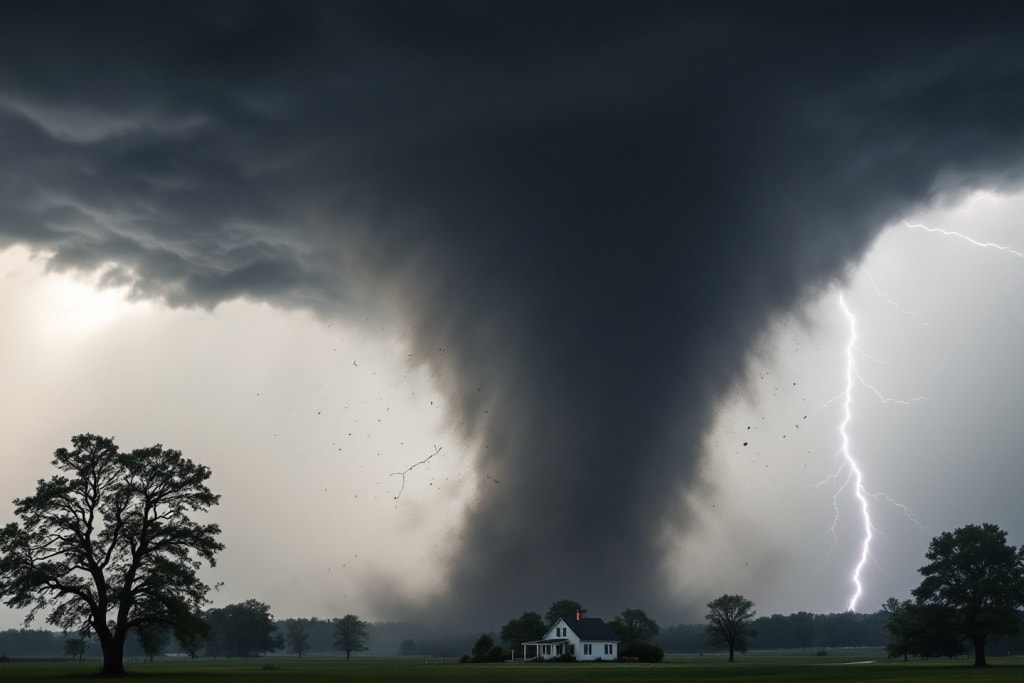
Tornadoes are among the most violent and unpredictable natural disasters, capable of causing widespread destruction in a matter of minutes. Missouri, located in the heart of "Tornado Alley," is particularly susceptible to these severe weather events. Understanding tornadoes, their impact on regions like Missouri, and the necessary safety measures is crucial for residents and those in tornado-prone areas.
Understanding Tornadoes
A tornado is a rapidly rotating column of air extending from a thunderstorm to the ground, characterized by its funnel-shaped cloud. These violent storms can produce winds exceeding 200 miles per hour and carve paths of destruction over a mile wide and 50 miles long. Tornadoes can develop rapidly, often with little warning, making them particularly dangerous.
Weather radar technology, such as Doppler radar, is essential in tracking these storms. Live weather radar and tornado trackers allow meteorologists to detect rotation in storms, improving the accuracy of tornado warnings in Missouri and other high-risk areas. Local news stations such as KSDK, KMOV Weather, and WSIL Weather provide updates to keep residents informed.
Missouri’s Tornado History
Missouri has a long history of tornado activity. Since 1950, the state has experienced numerous tornadoes, with five of the 25 deadliest tornadoes in U.S. history occurring in Missouri. Notably, three of these rank among the top ten deadliest. The peak tornado months in Missouri are April through June, with a secondary peak often occurring near the end of the year. On average, Missouri experiences 32 tornadoes annually, with an average of four fatalities each year. The record number of tornadoes in a single year was 102 in 2006.
Recent Tornado Events in Missouri
In recent years, Missouri has continued to experience significant tornado activity. For instance, in March 2025, a series of tornadoes struck the Midwest and Southeast, resulting in fatalities and widespread damage. In Missouri, two deaths occurred near Bakersfield in Ozark County, and another in Butler County. The National Weather Service reported at least 26 tornadoes during this event, highlighting the ongoing risk these storms pose to the region.
St. Louis Tornadoes: St. Louis has experienced several destructive tornadoes over the years, including the infamous 1896 St. Louis tornado, one of the deadliest in U.S. history. More recently, tornado warnings in St. Louis have become common due to increasing storm activity.
Poplar Bluff Tornadoes: Poplar Bluff, MO, has also suffered significant tornado damage. The Poplar Bluff tornado events have left many residents rebuilding their homes and communities after the destruction caused by these powerful storms.
Rolla, MO Tornadoes: Rolla, Missouri, has also been impacted by tornadoes, with the most recent Rolla tornado causing widespread damage. The Rolla, MO, weather radar frequently detects severe storms moving through the area, highlighting the need for constant vigilance.
The Science Behind Tornado Formation
Tornadoes require specific atmospheric conditions to form. The key ingredients include:
- Warm, moist air from the Gulf of Mexico colliding with
- Cold, dry air from Canada, creating instability.
- Wind shear, which causes the air to rotate and form supercell thunderstorms.
Meteorologists rely on live tornado trackers and Doppler radar in St. Louis and surrounding areas to identify potential tornado formations. Channel 4 Weather and KFVS12 Weather Live provide real-time updates on developing storms, helping residents prepare for potential impacts.
Tornado Safety Measures
Given the unpredictability and potential destructiveness of tornadoes, it's essential to be prepared and know how to respond when a tornado threatens.
Stay Informed: Monitor weather reports from reliable sources. Understanding the difference between a tornado watch and a tornado warning is crucial. A tornado watch means conditions are favorable for tornadoes to develop, while a tornado warning indicates a tornado has been sighted or detected by radar, and immediate action is necessary.
Identify Safe Shelter: The safest place during a tornado is an underground shelter, such as a basement or storm cellar. If these are not available, seek shelter in a small, windowless interior room on the lowest level of a sturdy building. Avoid areas with wide-span roofs like auditoriums or gymnasiums, as they are more susceptible to collapse.
Create an Emergency Plan: Develop a tornado emergency plan that includes a designated shelter area and a communication strategy to contact family members. Regularly practice this plan to ensure everyone knows what to do in case of a tornado.
Prepare an Emergency Kit: Assemble a kit with essentials such as water, non-perishable food, medications, flashlights, batteries, and a first-aid kit. Having these items readily available can be lifesaving during and after a tornado.
Know the Signs: While tornadoes can occur without warning, certain signs may indicate their formation, including a dark, often greenish sky; large hail; a loud roar similar to a freight train; and a visible, rotating, funnel-shaped cloud. If you observe these signs, seek shelter immediately.
During a Tornado: If a tornado warning is issued or if you see a tornado, take shelter immediately. If indoors, go to your pre-identified safe space. If outdoors and unable to find shelter, lie flat in a ditch or low-lying area and cover your head with your hands. Never seek shelter under an overpass or bridge, as these structures can create wind tunnels and increase danger.
After a Tornado: Once the tornado has passed, continue to monitor weather reports and stay alert for additional storms. Avoid downed power lines and do not enter damaged buildings until authorities deem them safe. Be cautious of sharp debris and other hazards when moving through affected areas.
Storm Damage and Recovery Efforts
Tornado damage can be extensive, with entire communities flattened in minutes. Recovery efforts in St. Louis, Poplar Bluff, and Rolla involve:
- Government assistance programs
- Community-led rebuilding projects
- Emergency relief funds for affected families
Organizations and news outlets, such as St. Louis News and Channel 4 Weather, frequently provide updates on storm damage in St. Louis and the recovery process.
Conclusion
Tornadoes are a formidable natural force, particularly in regions like Missouri. Understanding the risks, staying informed, and having a well-practiced emergency plan can significantly reduce the dangers associated with these powerful storms. By taking proactive steps and respecting the power of tornadoes, individuals can protect themselves and their loved ones during severe weather events.
About the Creator
Keep reading
More stories from Aneeq Zaheer and writers in Earth and other communities.
Angie Stone: A Soul Icon’s Tragic Farewell and Timeless Legacy
The music world was shaken on March 1, 2025, when Grammy-nominated R&B legend Angie Stone tragically passed away in a car accident at age 63. Known for her velvety vocals and neo-soul anthems, Stone’s untimely death in Montgomery, Alabama, silenced a voice that had resonated with millions. This article explores her groundbreaking career, personal triumphs, and the heartbreaking accident that cut her journey short, while addressing lingering questions about her legacy, net worth, and family.
By Aneeq Zaheer11 months ago in FYI
“Are You Dead?”: A New App Reflects the Loneliness of Young Chinese Living Alone
In China’s rapidly changing cities, living alone is no longer unusual—especially among young adults pursuing education, careers, and independence. But as solo living increases, so do concerns about isolation, safety, and what happens when no one is around to check in. Against this backdrop, a new app with a blunt, unsettling question—“Are you dead?”—has captured public attention and ignited debate. Despite its shocking name, the app is not designed to provoke fear. Instead, it aims to address a practical and emotional gap in modern urban life: how to ensure the well-being of people who live alone, and how technology is stepping in where traditional community networks have weakened. The Rise of Solo Living in China China has witnessed a dramatic shift in household structures over the past two decades. Urbanization, delayed marriage, rising housing costs, and changing cultural values have contributed to a growing number of single-person households, particularly among people in their 20s and 30s. For many young Chinese professionals, living alone represents freedom and self-reliance. It allows flexibility, privacy, and independence from family expectations. Yet this independence often comes with trade-offs: fewer daily social interactions, weaker neighborhood ties, and limited support in emergencies. In megacities like Beijing, Shanghai, and Shenzhen, it is increasingly common for neighbors not to know each other at all. In this environment, concerns about what happens if someone becomes ill, injured, or simply disappears from daily routines have become more pronounced. What the App Actually Does Despite its provocative name, the app’s purpose is surprisingly simple. It functions as a digital check-in system. Users set regular times to confirm they are okay—by tapping a notification or completing a brief check-in. If the user fails to respond after a certain period, the app automatically alerts designated contacts, such as friends, family members, or emergency responders. The stark question, “Are you dead?”, is intentionally designed to grab attention and prompt action. Developers argue that softer language is often ignored, while blunt phrasing cuts through digital noise and encourages consistent use. In essence, the app acts as a safety net, especially for people who live alone and may not have daily contact with others. Why Young People Are Downloading It The app’s popularity reflects deeper anxieties among young adults navigating modern life. Many users say they downloaded it not because they fear the worst every day, but because it provides peace of mind—both for themselves and for loved ones. For parents living far from their children, the app offers reassurance without constant phone calls. For users, it creates a sense of being quietly watched over, without sacrificing independence. Some users have also described the app as a form of emotional comfort. Even a routine notification can feel like a reminder that someone, somewhere, would notice if they vanished from daily life. A Name That Sparked Debate The app’s name has been its most controversial feature. Critics argue that the phrase “Are you dead?” is unnecessarily harsh and reflects a growing desensitization in digital culture. Others worry that such language could amplify anxiety rather than reduce it. Supporters, however, see the name as a reflection of reality rather than a provocation. In densely populated cities where people can go unnoticed for days or weeks, the question is uncomfortable—but relevant. They argue that avoiding blunt language does not eliminate the underlying problem of isolation. The debate highlights a broader tension in tech design: Should apps prioritize emotional sensitivity, or practical effectiveness—even if it makes people uncomfortable? Technology Filling a Social Gap The rise of this app points to a larger issue: technology increasingly compensates for weakened social structures. In the past, extended families, close-knit neighborhoods, and workplace communities naturally checked in on individuals. Today, those informal safety nets are often absent. Apps like this one are not just tools; they are symptoms of a society where digital solutions are replacing human presence. While convenient, this raises questions about whether technology is addressing the root causes of loneliness—or simply managing its consequences. Still, for many users, the app is not a replacement for relationships, but a supplement to modern life realities. Living Alone Does Not Mean Wanting to Be Alone An important takeaway from the app’s success is that living alone is not the same as wanting isolation. Many young Chinese adults value independence but still crave connection, security, and acknowledgment. The app’s routine check-ins, though minimal, provide a structured moment of contact. In a fast-paced, high-pressure environment, even small gestures of recognition can matter. This trend also reflects changing attitudes toward mental well-being and personal safety. Younger generations are more open to discussing vulnerability and using tools that previous generations might have dismissed. What This Says About Modern Urban Life The popularity of an app that asks such a stark question speaks volumes about the realities of contemporary urban living—not just in China, but globally. As cities grow larger and lives become more individualized, people are searching for new ways to ensure they are seen, remembered, and protected. The app’s success suggests that people are willing to engage with uncomfortable ideas if they address real needs. It also underscores the importance of designing technology that is honest about modern challenges, rather than masking them with euphemisms. Conclusion: A Wake-Up Call, Not a Warning While the phrase “Are you dead?” may sound alarming, the app behind it is less about fear and more about care. It reflects a generation navigating independence in a world where traditional support systems no longer function as they once did. Rather than signaling a morbid obsession, the app serves as a quiet reminder of something deeply human: the need to be noticed. In that sense, its blunt question is not about death at all—but about presence, connection, and the reassurance that someone would check if you were gone. As solo living continues to rise, tools like this app may become less shocking and more commonplace—symbols of how society adapts to changing ways of life in the digital age.
By Muhammad Hassanabout 20 hours ago in Earth



Comments (1)
Loving this one ♦️♦️♦️I subscribed to you please add me too ♦️