
Scientists Issue Urgent Warning After Alarming Collapse of Bird Populations Across the U.S We Have a Full On Emergency
North America’s bird species are vanishing at alarming rates scientists urge immediate conservation action to avert ecological collapse.

Scientists Issue Urgent Warning After Alarming Collapse of Bird Populations Across the U.S We Have a Full On Emergency
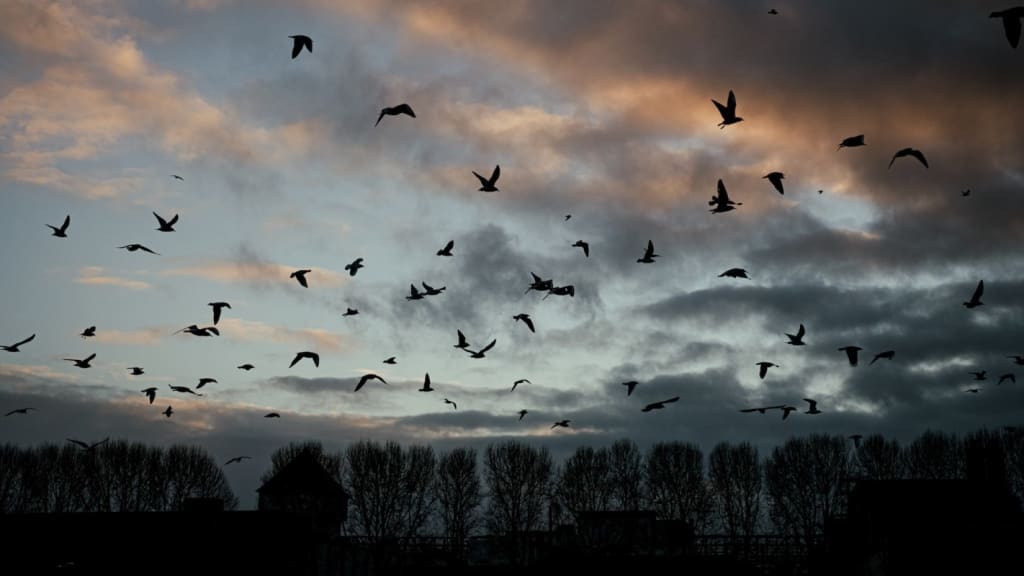
In a dire new report scientists have issued an urgent warning about the drastic decline in bird populations across the United States. The findings released in the 2025 U.S State of the Birds Report reveal that nearly three quarters of native bird species in North America are experiencing serious population declines prompting researchers to declare We have a full on emergency. The report led by the Cornell Lab of Ornithology in collaboration with leading conservation groups analyzed data from hundreds of species across all major bird habitats in North America. The results are nothing short of alarming. Since 1970 the U.S. has lost nearly 3 billion birds roughly one in four birds and the trend continues. Grassland birds have seen the steepest declines losing over 50% of their populations in just a few decades. Species such as the Eastern Meadowlark and Bobolink are disappearing at unprecedented rates. Birds of arid regions and shorebirds are also suffering with some populations shrinking by more than 30%. Even waterfowl once considered a conservation success story are now in decline. According to the report habitat loss is the primary driver of this ecological collapse. Urban sprawl agricultural expansion deforestation and wetland drainage have all contributed to the degradation and fragmentation of natural ecosystems. Climate change compounds the problem by disrupting migratory patterns breeding seasons and food availability. Increasingly frequent droughts rising temperatures and shifting weather systems are making it difficult for many species to adapt. The use of pesticides and herbicides has further reduced insect populations depriving insect eating birds of their primary food source. Moreover light pollution and glass buildings in cities lead to the deaths of hundreds of millions of birds each year through collisions and disorientation. We are witnessing a widespread ecological unraveling said Amanda Rodewald, a senior scientist at the Cornell Lab. Birds are indicators of environmental health. When they decline it means ecosystems are failing and that has consequences for all of us.
Why Birds Matter
Birds play a vital role in maintaining the balance of ecosystems. They control pest populations pollinate plants disperse seeds and contribute to nutrient cycling. Their loss can set off a domino effect impacting plants insects and other animals including humans. Beyond their ecological importance birds are also economically significant. Birdwatching is a multi billion dollar industry in the U.S supporting more than 1.4 million jobs and contributing nearly $300 billion to the national economy. A decline in bird populations threatens not only biodiversity but also livelihoods. Despite the dire outlook the report highlights some success stories that demonstrate how targeted conservation efforts can yield positive results. The population of the American Oystercatcher for example has increased due to coordinated habitat restoration along the Atlantic Coast. Conservation ranching initiatives have helped preserve vital grasslands while reforestation projects are benefiting forest dwelling birds.
These examples prove that recovery is possible but only if action is taken swiftly and at scale.
The report lays out several recommendations to reverse the trend:
1. Protect and restore habitats especially wetlands grasslands and forests.
2. Strengthen and enforce environmental regulations to curb pollution and unsustainable development.
3. Reduce pesticide use and promote eco-friendly agricultural practices.
4. Address climate change through policy innovation and education.
5. Promote bird friendly infrastructure in cities such as bird safe windows and reduced night lighting.
6. Increase funding and support for conservation programs at local state and federal levels.
Marshall Johnson of the National Audubon Society summed it up bluntly We have a full on emergency across all habitats. Every single type of ecosystem in North America is under stress and birds are telling us that story.
Final Warning and a Call to Action
Scientists urge policymakers industries and the public to treat the decline in bird populations as a wake up call. This is not just a loss of beautiful songs in the morning or fewer creatures in the skies it’s an environmental alarm that demands an immediate and collective response. The collapse of bird populations across the U.S is a sign of deeper ecological trouble but it’s not too late. With determined effort science based action and public awareness the skies can once again fill with the flight and song of thriving birdlife.
About the Creator
Adnan Rasheed
Author & Creator | Writing News , Science Fiction, and Worldwide Update| Digital Product Designer | Sharing life-changing strategies for success.
Keep reading
More stories from Adnan Rasheed and writers in Earth and other communities.
Entire Continent is Splitting Open and Forming an Ocean Basin Like the Red Sea
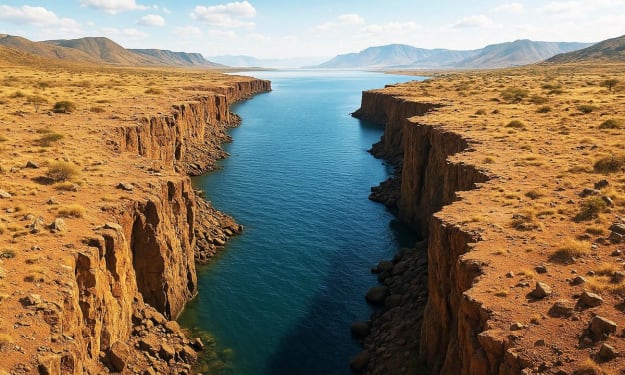
Entire Continent is Splitting Open and Forming an Ocean Basin Like the Red Sea In a striking reminder of Earth’s dynamic nature, scientists have confirmed that a massive rift tearing through East Africa may eventually give birth to a new ocean. This geological phenomenon, known as continental rifting, is unfolding in real-time as the African continent slowly splits apart. The process is centered along the East African Rift System (EARS), a tectonically active zone that stretches over 3,000 kilometers from the Afar Triangle in Ethiopia down through Mozambique. The implications are nothing short of monumental—within tens of millions of years, the continent may reshape itself, with the Horn of Africa separating to form a new ocean basin, much like the formation of the Red Sea millions of years ago.
By Adnan Rasheed9 months ago in Earth
Greenland: New Shipping Routes, Hidden Minerals – and a Frontline Between the US and Russia?
Once seen as a remote and largely isolated Arctic territory, Greenland is rapidly emerging as a focal point of global geopolitics. Climate change, melting ice, and technological advances are transforming the island into a strategic hub defined by new shipping routes, vast mineral resources, and growing rivalry between major powers, particularly the United States and Russia. As the Arctic opens up, Greenland’s geographic position and untapped potential are pushing it to the center of international attention, raising questions about security, sovereignty, and sustainable development. Melting Ice and the Opening of New Shipping Routes One of the most visible impacts of climate change in the Arctic is the reduction of sea ice, which is making previously inaccessible waters navigable for longer periods each year. New Arctic shipping routes, including passages near Greenland, promise shorter travel times between Europe, Asia, and North America. Compared to traditional routes like the Suez Canal, Arctic pathways can reduce shipping distances by thousands of kilometers, cutting fuel costs and emissions. For global trade, this could be transformative. Greenland’s coastal waters are increasingly important as potential transit corridors and support hubs for these routes. However, the expansion of Arctic shipping also raises concerns about environmental risks, maritime safety, and the lack of robust emergency infrastructure in the region. Hidden Mineral Wealth Beneath the Ice Beyond shipping, Greenland holds significant reserves of critical minerals, many of which are essential for modern technologies and the global energy transition. These include rare earth elements, lithium, graphite, uranium, and other strategic resources used in electric vehicles, wind turbines, batteries, and defense systems. As demand for these materials grows, Greenland is being viewed as a potential alternative to existing supply chains dominated by a small number of countries. This has increased interest from Western governments seeking to diversify mineral sourcing and reduce strategic dependencies. However, mining in Greenland is controversial. Local communities and policymakers must balance economic opportunities with environmental protection and cultural preservation. Greenland’s harsh climate and fragile ecosystems make resource extraction both technically challenging and politically sensitive. The United States’ Strategic Interest in Greenland The United States has long considered Greenland strategically vital, largely due to its location between North America and Europe. The US already maintains a military presence at Pituffik Space Base (formerly Thule Air Base), which plays a key role in missile warning systems and space surveillance. In recent years, Washington has renewed its focus on Greenland, emphasizing Arctic security, infrastructure investment, and cooperation with Denmark, which oversees Greenland’s foreign and defense policy. US interest is driven by several factors: protecting transatlantic security routes, countering rival powers in the Arctic, and ensuring access to critical minerals. Greenland is increasingly viewed as a frontline in maintaining Western influence in the High North. Russia’s Arctic Ambitions Russia, meanwhile, sees the Arctic as central to its economic and military strategy. It has invested heavily in Arctic military bases, icebreaker fleets, and energy projects, particularly along its northern coastline. Although Greenland is geographically distant from Russia’s main Arctic territories, Moscow closely monitors developments there. The island’s proximity to key Arctic sea lanes and North Atlantic routes makes it strategically relevant in any broader confrontation between Russia and NATO. As tensions between Russia and the West remain high, Greenland’s location places it near the intersection of competing security interests, increasing its geopolitical significance. Greenland Between Global Powers The growing attention from major powers puts Greenland in a delicate position. While the island seeks greater economic independence and development, it must navigate complex relationships with Denmark, the United States, and other international actors. Greenland’s government has emphasized the importance of maintaining control over its resources and ensuring that development benefits local populations. At the same time, geopolitical competition risks turning Greenland into a strategic chessboard rather than a partner in decision-making. This balancing act is becoming more difficult as Arctic competition intensifies. Environmental and Social Challenges Greenland is on the front lines of climate change. Melting ice sheets contribute to global sea-level rise, while local communities face changes to traditional livelihoods such as fishing and hunting. The expansion of shipping and mining could bring jobs and infrastructure, but it also threatens fragile ecosystems and raises concerns about pollution, habitat disruption, and long-term sustainability. Any future development in Greenland will require careful regulation, international cooperation, and meaningful engagement
By Aarif Lashari4 days ago in Earth
Top Australian Writers’ Festival Cancelled After Palestinian Author Barred
One of Australia’s most respected literary festivals has been cancelled following a fierce backlash over the decision to bar a Palestinian author from participating. What began as a programming dispute quickly escalated into a national debate about free speech, cultural inclusion, and political pressure in the arts. The cancellation has sent shockwaves through Australia’s literary community, raising urgent questions about whose voices are allowed on public platforms and at what cost.
By Aarif Lashari5 days ago in Earth
The Devil's Cut
“Comrade, finally you’re awake.” The voice was smooth, sensual. A flickering incandescent bar was all that lit the white, sterile room. All Vladimir remembered was everything going black. He tried to move his arms and found them strapped to the gurney.
By Matthew J. Fromm5 days ago in Fiction



Comments
There are no comments for this story
Be the first to respond and start the conversation.