
Sacrifice and Empathy
Tell stories of individuals who make personal sacrifices to protect the environment, highlighting the emotional journey they undergo and the empathy they develop towards nature and future generations.

In a small coastal village nestled between rolling hills and a vibrant sea, there lived a young woman named Aria. From an early age, she had been captivated by the beauty and wonder of the natural world that surrounded her. The whispering waves, the gentle sway of the trees, and the songs of birds all resonated deeply within her soul.
As Aria grew older, she became acutely aware of the mounting threats to the environment. Witnessing the devastation of pristine habitats and the decline of precious species, she felt a profound sadness and an urgent need to protect the fragile balance of nature.
Driven by her empathy and fueled by her love for the Earth, Aria embarked on a personal journey of sacrifice and transformation. She devoted herself to the cause of environmental preservation, fully aware of the challenges that lay ahead.
Aria began by educating herself, immersing herself in books, documentaries, and conversations with experts. The more she learned about deforestation, pollution, and climate change, the more her heart ached for the Earth and its inhabitants. She couldn't stand idly by while the world around her crumbled.
With a heavy yet determined heart, Aria made the difficult decision to change her own lifestyle. She embraced a minimalist existence, shedding the trappings of consumerism that had once clouded her vision. She lived simply, mindful of her consumption and the impact it had on the environment.
But her sacrifices didn't stop there. Aria knew she had to inspire others to join her in the fight. She devoted herself to raising awareness, tirelessly organizing community events, and passionately speaking about the urgent need for change. Her words echoed with empathy, touching the hearts of those who listened, and igniting a spark of environmental consciousness.
Aria's sacrifices took a toll on her personally. She had to let go of many conveniences and luxuries she once enjoyed. But with every sacrifice, she felt a deepening connection to the natural world and an unwavering determination to protect it.
As time passed, Aria's impact grew. The village began to adopt sustainable practices, embracing renewable energy, recycling, and organic farming. Aria's empathetic spirit and unwavering dedication had spread like wildfire, lighting the way for others to follow.
Yet, there were moments when Aria's heart felt heavy, burdened by the weight of the world's problems. The emotional journey she had embarked upon was filled with both hope and despair. But in those moments, she found solace in the beauty of nature. She would walk along the shore, feeling the sand beneath her feet and the breeze on her face, reminding herself of the Earth's resilience and the importance of her sacrifices.
Through her unwavering empathy, Aria had discovered a profound truth—that the fate of the Earth was intertwined with the collective actions and sacrifices of its inhabitants. And though her journey was filled with hardships, the knowledge that she was making a difference, no matter how small, gave her the strength to continue.
Aria's story serves as a reminder that every sacrifice, every act of empathy, has the power to shape the future of the planet. And in the echoes of her whispers, the Earth began to heal, one heartfelt sacrifice at a time.
Climate change poses significant risks to the well-being and safety of citizens worldwide, making it imperative for governments to take on responsibilities and make sacrifices to protect their populations. Here are some key points regarding government responsibilities in addressing climate change:
Policy and Regulation: Governments have a crucial role in developing and implementing policies and regulations that prioritize climate action. This includes setting emissions reduction targets, promoting renewable energy sources, implementing energy efficiency standards, and establishing carbon pricing mechanisms. By enacting and enforcing robust policies, governments can incentive industries and individuals to reduce their carbon footprint and mitigate the effects of climate change.
Investments in Sustainable Infrastructure: Governments can prioritize investments in sustainable infrastructure, such as renewable energy projects, public transportation systems, and green building initiatives. By allocating resources toward these endeavours, governments can reduce greenhouse gas emissions, create green jobs, and enhance the resilience of communities to climate impacts. This often requires diverting funds from traditional, polluting industries towards cleaner and more sustainable alternatives.
Emergency Preparedness and Adaptation: As climate change intensifies, governments must prioritize emergency preparedness and adaptation strategies to protect their citizens. This may involve implementing early warning systems for natural disasters, developing robust evacuation plans, investing in resilient infrastructure, and ensuring access to clean water and food during extreme weather events. By proactively preparing for climate-related challenges, governments can save lives and minimize the socioeconomic impacts on communities.
International Cooperation: Climate change is a global challenge that requires international cooperation and collaboration. Governments have a responsibility to engage in diplomatic efforts and participate in international climate agreements, such as the Paris Agreement. By working together, governments can share knowledge, resources, and technologies to collectively address climate change and protect their citizens from its consequences.
Public Education and Awareness: Governments have a responsibility to educate the public about the impacts of climate change and the necessary sacrifices required for mitigation and adaptation. This includes raising awareness about sustainable lifestyles, promoting energy conservation, and fostering a culture of environmental responsibility. By providing accurate information and fostering a sense of shared responsibility, governments can encourage individuals to make their own sacrifices for the greater good.
Just Transition and Social Equity: Governments must ensure that climate policies and initiatives prioritize social equity and justice. As they transition towards a low-carbon economy, governments should protect vulnerable communities and workers who may be disproportionately affected by the changes. This can involve providing job retraining programs, offering support for affected industries, and ensuring that the burden of sacrifices is not disproportionately placed on marginalized communities
About the Creator
Keep reading
More stories from writers in Earth and other communities.
Trump Calls UK’s Chagos Islands Sovereignty Decision an Act of ‘Great Stupidity’
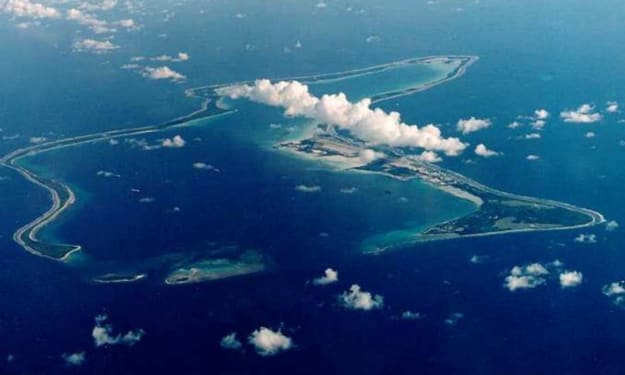
Former U.S. President Donald Trump has criticized the United Kingdom’s decision to hand over sovereignty of the Chagos Islands to Mauritius, calling it an act of “great stupidity.” This high-profile statement has reignited debates over colonial legacies, geopolitical alliances, and the rights of local communities. While the issue may seem distant to many, it carries significant implications for global politics, regional stability, and the affected communities. The Chagos Islands, a strategically located archipelago in the Indian Ocean, have long been a point of contention between the UK, Mauritius, and the United States, which maintains a military base on Diego Garcia, one of the largest islands. The latest political statements have highlighted not only international disagreements but also how decisions by governments can affect local populations and global perceptions. Why the UK Is Handing Over the Chagos Islands The UK’s decision to transfer sovereignty to Mauritius comes after years of legal challenges and international pressure. The United Nations has repeatedly called for the return of the islands to Mauritius, stating that the previous detachment in 1965 was illegal. The move aims to: Resolve a longstanding international dispute Acknowledge the rights of the Chagossian people, many of whom were forcibly removed from the islands decades ago Comply with international law and UN recommendations For many in Mauritius and the Chagossian diaspora, the transfer represents justice and recognition of their historical grievances. Trump’s Criticism and Its Context Trump described the UK’s decision as “an act of great stupidity,” emphasizing strategic and military concerns. The United States relies on Diego Garcia for one of its key military bases, crucial for operations in the Indian Ocean region and beyond. From Trump’s perspective, the sovereignty transfer could: Complicate U.S. military logistics Create uncertainty over strategic agreements Signal weakness in alliances with close partners like the UK However, critics argue that such statements overlook the rights of the displaced Chagossian communities and the importance of resolving colonial-era injustices. Impact on Local Communities The Chagos Islands have a unique human story. In the 1960s and 1970s, the indigenous Chagossian population was forcibly removed to make way for a U.S. military base. Families were relocated to Mauritius, the Seychelles, and other areas, often under harsh conditions. The sovereignty transfer could: Support efforts for Chagossians to return home Enable compensation and recognition of historical wrongs Promote cultural and community restoration Community advocates argue that international legal decisions should prioritize the welfare and rights of displaced populations, not just geopolitical or strategic interests. Geopolitical Implications The dispute is more than a bilateral issue between the UK and Mauritius. It has global political ramifications, including: U.S.-UK relations: While the UK maintains a strategic alliance with the U.S., the sovereignty decision may raise tensions over military operations. Indian Ocean stability: The islands are located in a key maritime region, affecting naval operations, trade routes, and regional security. International law precedent: Recognizing Mauritius’ claim reinforces UN rulings on decolonization and territorial sovereignty. For communities that follow global politics, these dynamics highlight how high-level political decisions impact both strategy and society. Media and Public Reaction Trump’s comments have dominated media coverage, sparking debate in international communities and online forums. Public opinion is divided: Supporters of Trump’s viewpoint cite national security concerns and strategic importance. Critics highlight colonial injustices and the need to respect the rights of indigenous populations. Social media discussions reveal growing interest in the balance between military strategy and human rights, showing that global decisions resonate with everyday communities. Legal and Ethical Considerations The transfer of the Chagos Islands raises several legal and ethical issues: Sovereignty and Self-Determination: The Chagossian people’s right to return and their cultural identity must be respected. Colonial History: Addressing past injustices is an ethical obligation for governments involved in colonial-era displacement. Military Agreements: Ensuring strategic stability while honoring international law is a complex balancing act. Legal scholars note that this case could set a precedent for other disputed territories, influencing how communities worldwide perceive justice, sovereignty, and rights. Why This Matters to Communities Even though the Chagos Islands are remote, the controversy touches on community awareness and engagement: Diaspora Communities: Chagossians and Mauritians see this as a historic moment affecting their families and heritage. Global Citizens: People interested in human rights and international law follow such cases to understand justice and accountability. Policy Advocates: NGOs and advocacy groups use this dispute to promote awareness of displacement, sovereignty, and ethical governance. In short, political decisions at the top level ripple down to real people, influencing lives, cultural identity, and community cohesion. Looking Ahead The future of the Chagos Islands will depend on: Implementation of sovereignty transfer: Ensuring legal and diplomatic arrangements are respected. U.S.-UK negotiations: Maintaining strategic interests while addressing human rights. Chagossian return programs: Supporting the restoration of communities affected by displacement. The controversy is a reminder that politics and community welfare are intertwined, and decisions made in boardrooms or government offices can have lasting effects on populations far from the center of power. The Takeaway Trump’s statement about the Chagos Islands sovereignty highlights the tension between geopolitical strategy and community justice. While international relations and military interests are important, the voices of the displaced Chagossian community cannot be ignored. For communities following global politics, the case demonstrates how: International decisions affect local populations Human rights and sovereignty are key considerations Awareness and advocacy by communities can influence global policy As debates continue, the story of the Chagos Islands serves as a reminder that political and strategic choices have human consequences, and that protecting community rights is as vital as maintaining alliances.
By Muhammad Hassan7 days ago in Earth
From Seal Meat to Ice Sheets: A Century of Reporting From Antarctica
Antarctica—the frozen southernmost continent—has long fascinated scientists, explorers, and journalists alike. From the earliest expeditions in the late 19th and early 20th centuries to modern climate research missions, journalists have chronicled Antarctica’s extremes, documenting both its human stories and its environmental mysteries. Over the past century, reporting from this remote and forbidding landscape has evolved dramatically, reflecting changing societal interests, technological advances, and growing concerns about climate change.
By Muhammad Hassan5 days ago in Earth
🅼🅸🅳🅽🅸🅶🅷🆃 🆂🅽🅰🅲🅺🆂
"It's 10 in Tuscon! We all know what that means... It's Time for Midnight Snacks with your man, Gerald Gee! Ready to spend the night together? Me too! I'm full of snacks and can't wait to regurgitate them all back into your hungry ears. Crack a brew! Pop some corn! Anything to get ready for one hell of a show where the talk maybe cheap but the words cut deep...
By Lamar Wiggins4 days ago in Fiction


Comments
There are no comments for this story
Be the first to respond and start the conversation.