
Rivers at Risk: The Global Crisis of Water Pollution and Its Impact on Our Future
Understanding the Environmental, Health, and Socioeconomic Consequences of Polluted Rivers Worldwide

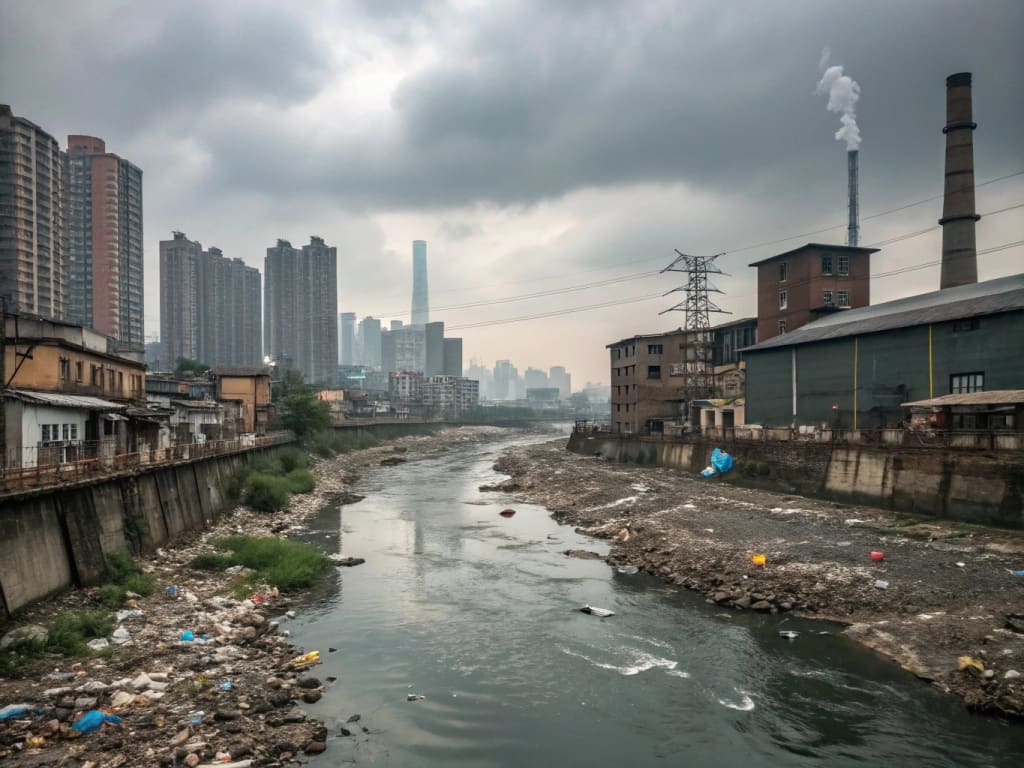
Rivers, often referred to as the lifeblood of our planet, have been instrumental in supporting human civilizations, providing water for agriculture, and sustaining diverse ecosystems for millennia. However, these vital water sources are increasingly under threat due to pollution, which has reached alarming levels in many regions. Industrialization, urbanization, deforestation, and poor environmental practices have transformed once pristine rivers into toxic waste streams. Rivers that were once a source of life now carry the burden of contamination, endangering the health of millions of people and the survival of countless species. Among the most polluted rivers globally are the Ganges in India, the Citarum in Indonesia, the Yellow River in China, the Yamuna in India, the Buriganga in Bangladesh, the Nile in Africa, and even rivers in developed countries like the United States, including the Mississippi and Ohio.
The Ganges, considered sacred by over a billion Hindus and central to Indian culture and religion, is choked with untreated sewage, industrial waste, plastic debris, and chemical run-off. Each day, over 3 billion liters of untreated sewage enter the Ganges, raising bacteria levels such as E. coli to dangerous heights, making the water unsafe for bathing or drinking. Similarly, the Citarum River in Indonesia, often cited as the most polluted river in the world, is heavily contaminated by waste from nearby textile factories and densely populated communities. The water appears blackened by dyes, detergents, and toxic heavy metals like mercury and lead, posing serious health risks to those who rely on the river for washing, fishing, and drinking.
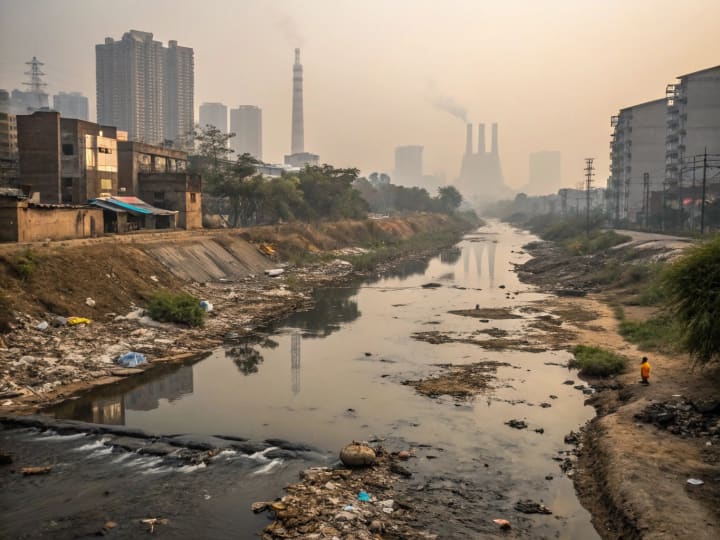
The Yellow River, which played a central role in the rise of Chinese civilization, has also faced severe degradation. Industrial dumping, mining, agricultural runoff, and over-extraction for irrigation have turned large stretches of the river biologically dead, contributing to environmental collapse. In Bangladesh, the Buriganga River, flowing through the capital city of Dhaka, is filled with untreated tannery waste, garbage, plastic, and human waste, transforming it into a toxic stream that threatens the health of people living near its banks. The Yamuna River, another sacred river in India, suffers similar pollution in Delhi, where untreated sewage from millions of residents and industrial waste render the river water almost unrecognizable in some sections.
Even rivers in developed nations like the United States are not immune to pollution. The Mississippi River, heavily impacted by agricultural runoff, fertilizer, and industrial chemicals, contributes to dead zones in the Gulf of Mexico, devastating marine life and ecosystems. The consequences of polluted rivers are far-reaching. Aquatic life suffers as oxygen levels decline due to nutrient overload, leading to eutrophication. This results in massive fish kills, coral reef destruction, and disruption of entire aquatic ecosystems. Polluted river water also carries waterborne diseases like cholera, dysentery, typhoid, and hepatitis, especially in regions where access to clean water and sanitation is inadequate. Toxic substances such as arsenic, cadmium, and lead infiltrate the food chain, affecting not just fish and wildlife, but humans as well. River pollution also harms agriculture, as contaminated water used for irrigation damages crops, soil, and food supplies. Economically, polluted rivers result in the loss of livelihoods. Fishermen lose their catch, farmers face reduced productivity, tourism declines in polluted areas, and healthcare costs soar due to pollution-related illnesses.
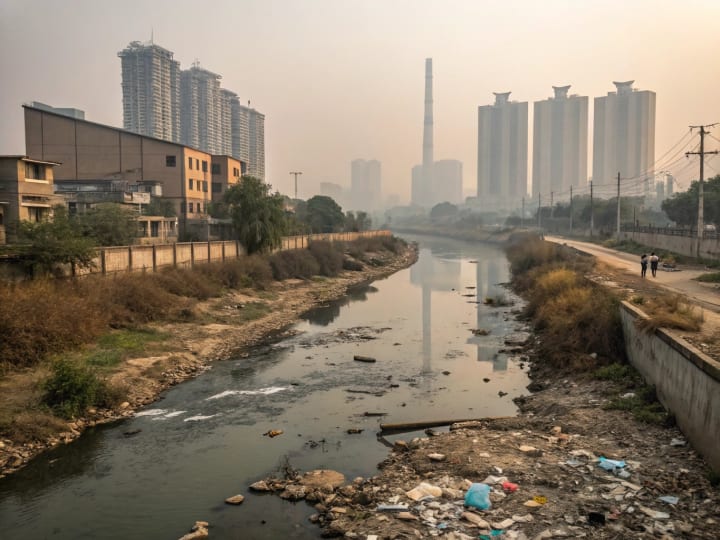
Additionally, the spiritual and cultural significance of rivers fades as they become associated with decay and filth, undermining cultural rituals and practices tied to clean water. The root causes of river pollution are multifaceted: rapid urbanization without proper infrastructure leads to untreated sewage and waste being dumped directly into rivers. In developing nations, industries often bypass environmental regulations, discharging harmful chemicals and metals into water bodies. Agriculture, through excessive use of fertilizers and pesticides, exacerbates water pollution by contributing to runoff that contaminates rivers. Deforestation and sand mining disrupt river ecosystems and increase sedimentation.
Furthermore, public ignorance, corruption, and weak enforcement of environmental laws compound the crisis. In many areas, rivers are exploited without regard for their long-term sustainability. Despite the grim state of many rivers, efforts to combat pollution and restore these waterways are increasing. India’s "Namami Gange" program, for example, aims to clean up the Ganges by establishing sewage treatment plants, cleaning riverbanks, and engaging communities in conservation efforts. In Indonesia, military forces, local governments, and NGOs have teamed up to address the Citarum River’s pollution, introducing eco-friendly technologies and relocating polluting factories. China has enacted stricter water pollution laws, established real-time monitoring systems for industrial discharges, and embarked on large-scale river rehabilitation projects. In Bangladesh, public awareness campaigns and environmental activism have pressured authorities to take action against polluting industries along the Buriganga.
On a global scale, organizations like the United Nations and the World Bank are funding river restoration initiatives and promoting better water resource management. Local communities, environmental organizations, and citizen-led movements have also played a key role in addressing river pollution. From organizing river clean-up drives to advocating for stronger regulations, these grassroots efforts are vital to the success of larger restoration projects. Technological innovations, such as floating trash collectors and bio-remediation techniques, have been deployed in some urban rivers to control pollution and provide real time data for decision-making.
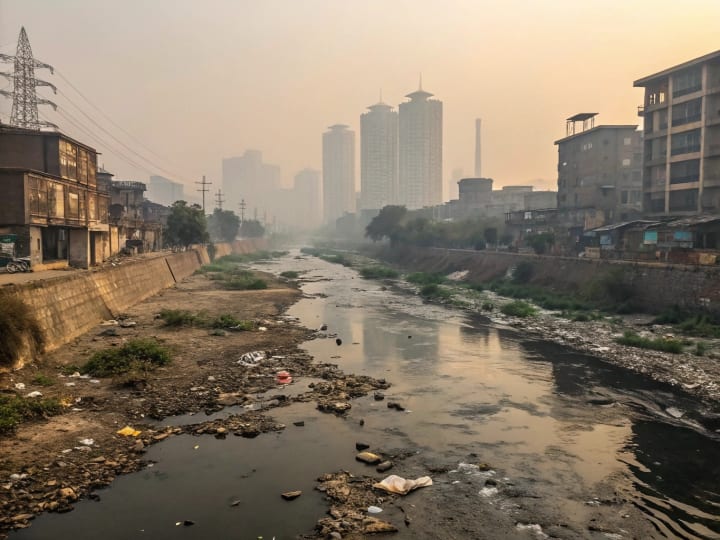
However, significant challenges remain, including political will, corruption, insufficient funding, and lack of public cooperation. True and lasting change requires a global shift in perspective, where rivers are seen not as waste disposal sites but as invaluable resources that must be preserved. Governments must enforce stringent environmental regulations, industries must adopt sustainable waste management practices, and cities must invest in infrastructure to treat sewage and waste.
Education and public awareness campaigns are critical to instilling respect for rivers and promoting sustainable behaviors, such as reducing plastic use and responsible waste disposal. The health of our rivers is directly tied to the health of our planet. If we allow our rivers to die, we risk the destruction of ecosystems, the loss of biodiversity, and the collapse of entire communities. The fight against river pollution is not just an environmental issue, it is a fight for clean water, public health, food security, and the preservation of cultural heritage. Protecting our rivers is a responsibility we all share, and every effort to clean and restore these vital water sources is an investment in a better, healthier, and more sustainable future.
About the Creator
G.M. Rayhan
I'm G.M. Rayhan, a Journalist and content writer covering trending news from around the world. I deliver timely, engaging, and reliable stories that inform and inspire readers to stay connected with global events and viral topics.
Keep reading
More stories from G.M. Rayhan and writers in Earth and other communities.
The Global Impact of Cyclones: A Growing Threat
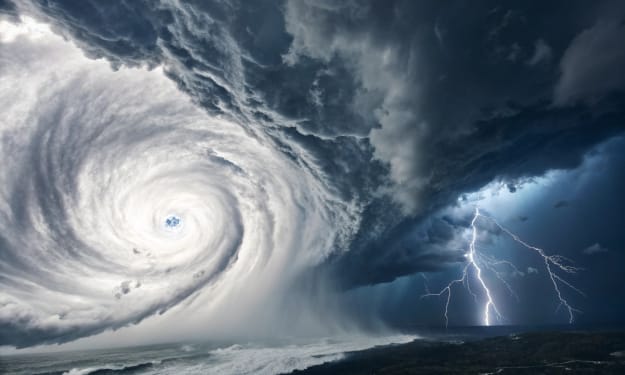
Cyclones, hurricanes, and typhoons represent formidable natural disasters that have historically posed significant risks to coastal areas globally. Recently, however, the rising frequency and intensity of these storms have sparked alarm among scientists, government officials, and residents in at-risk regions. The increasing severity of cyclones threatens not only human lives and infrastructure but also the environment and economic stability. Factors such as climate change, elevated sea levels, and rapid urban development contribute to the heightened intensity and occurrence of these storms. This article examines the escalating danger posed by cyclones, their effects on impacted areas, and the pressing need for enhanced preparedness and response measures.
By G.M. Rayhan10 months ago in Earth
Verizon Outage Today
A sudden Verizon outage can feel unsettling, especially when your phone switches to “SOS” or “emergency calls only” without warning. Across social media and outage-tracking platforms, users often rush to ask the same questions: Is Verizon down right now? Why is my phone in SOS mode? What happened to Verizon today, and when will Verizon be back up? While outages are never convenient, they are not uncommon for large national carriers like Verizon Wireless. Understanding what a Verizon service outage means—and how to respond—can help reduce confusion during moments when connectivity disappears. Is Verizon Down? Understanding Service Outages A Verizon wireless outage occurs when part of Verizon’s cellular or data network becomes unavailable. This can affect voice calls, text messages, mobile data, or all services at once. Some outages are isolated to specific cities, such as Verizon outage NYC, Atlanta, Houston, or New Jersey, while others expand into a broader Verizon nationwide outage. When service is disrupted, users commonly report: Verizon down today Verizon network down Verizon not working Is Verizon down in my area? Verizon service outage These reports often surface within minutes, especially on outage-monitoring platforms. Why Does My Phone Say SOS? One of the most alarming signs during a Verizon outage today is seeing SOS, SOS only, or emergency calls only at the top of an iPhone. This leads many to ask, “Why is my phone in SOS mode Verizon?” SOS mode does not mean your phone is broken. It indicates that your device cannot connect to the Verizon network but can still place emergency calls using any available carrier signal. Common searches during outages include: Why does my phone say SOS only? iPhone stuck in SOS mode Why is my phone on SOS Verizon? What does SOS mean on iPhone? How to get phone out of SOS mode In most cases, the issue resolves automatically once Verizon restores network connectivity. What Caused the Verizon Outage Today? When connectivity drops, users naturally want immediate answers to what caused the Verizon outage today. Verizon does not always publish technical details right away, but outages are typically linked to: Network maintenance or system upgrades Fiber or backend routing failures Power outages affecting Verizon towers Severe weather or environmental damage Unexpected network congestion Despite online speculation, most Verizon outages are not related to cyberattacks. Searches like “Verizon cyber attack today” often trend during disruptions, but confirmed causes are usually infrastructure-related and temporary. How to Check Verizon Outage Status in Real Time If you’re wondering “Is Verizon still down?”, there are several reliable ways to check. Downdetector Verizon Platforms like Downdetector and Down Detector Verizon track real-time user reports. A spike in complaints usually confirms a Verizon outage before official statements are released. Verizon Outage Map Verizon provides a Verizon wireless outage map, sometimes including outage views by ZIP code. This helps answer questions like: Is there a Verizon outage near me? Is Verizon down in my area? My Verizon App and Network Status Pages The My Verizon app and Verizon’s official network status tools may display service alerts and updates during larger outages. Verizon Customer Service During an Outage During a widespread Verizon service outage, many users attempt to call Verizon customer service or search for the Verizon customer service number. While support teams remain active, wait times often increase significantly during major disruptions. Important things to keep in mind: Customer service representatives usually cannot provide exact repair timelines Rebooting your phone repeatedly during an outage rarely helps Network restoration often happens region by region Monitoring Verizon outage updates is typically more effective than calling support during peak outage periods. When Will Verizon Be Back Up? The most pressing question remains: When will Verizon service be restored? The answer depends on: Whether the outage is local or nationwide The cause of the disruption Whether physical repairs are required Minor outages may resolve within minutes or hours. Larger incidents—such as a Verizon cellular outage affecting multiple states—can take longer. Verizon generally prioritizes emergency communications before restoring full voice and data services. Search trends during outages often include: When will Verizon be fixed? How long will Verizon be down? When is Verizon going to be back up? While exact times are rarely guaranteed, service usually returns gradually rather than all at once. Verizon, Competition, and Broader Impact High-profile outages often spark comparisons with competitors like AT&T and T-Mobile. Searches for AT&T outage or T-Mobile outage frequently rise at the same time, as users explore alternative networks. Although outages generate headlines and social media frustration, they rarely have lasting effects on Verizon stock unless disruptions become frequent or prolonged. What to Do If Your Phone Is in SOS Mode If your phone shows SOS only during a Verizon outage: Enable Wi-Fi calling if available Avoid changing SIM or resetting network settings mid-outage Keep your device charged and updated Check Verizon outage updates periodically Once Verizon’s network stabilizes, most phones exit SOS mode automatically. Final Thoughts A Verizon outage can be disruptive, especially when communication suddenly feels out of reach. However, seeing SOS mode does not mean your phone is damaged—it simply reflects a temporary network issue. Staying informed through trusted sources like Downdetector, Verizon’s outage maps, and official Verizon updates can help users navigate these moments with clarity. While outages are frustrating, they are typically temporary, and service restoration is usually a matter of time rather than cause for alarm.
By Saboor Brohi 6 days ago in Earth
GWR Confirms ‘Major Investment’ with Office Lease: What It Means for Plymouth and the South West
Great Western Railway (GWR) has confirmed a major long-term investment in Plymouth by securing a significant city-centre office lease close to the railway station. While the announcement may sound like a routine property deal on the surface, it actually signals something much bigger — a vote of confidence in the city, a boost for local regeneration, and a clear statement about the future direction of rail-led development in the South West.
By Muhammad Hassana day ago in Earth
A Dart at Dusk
Seconds ago, the sullen sun set on the two of us… my exuberant furry companion and me. A fresh breeze embraces us, delivering welcome relief from the day’s oppressive heat. His typical stumbling and staggering along — apace with a sloth — has turned into trip-trapping, high-stepping, almost skipping along.
By Angie the Archivist 📚🪶7 days ago in Petlife


Comments
There are no comments for this story
Be the first to respond and start the conversation.