
Rising with the Tide: How Communities Thrive Amid Ocean Floods
Innovative Solutions and Coastal Resilience in the Face of a Changing Climate
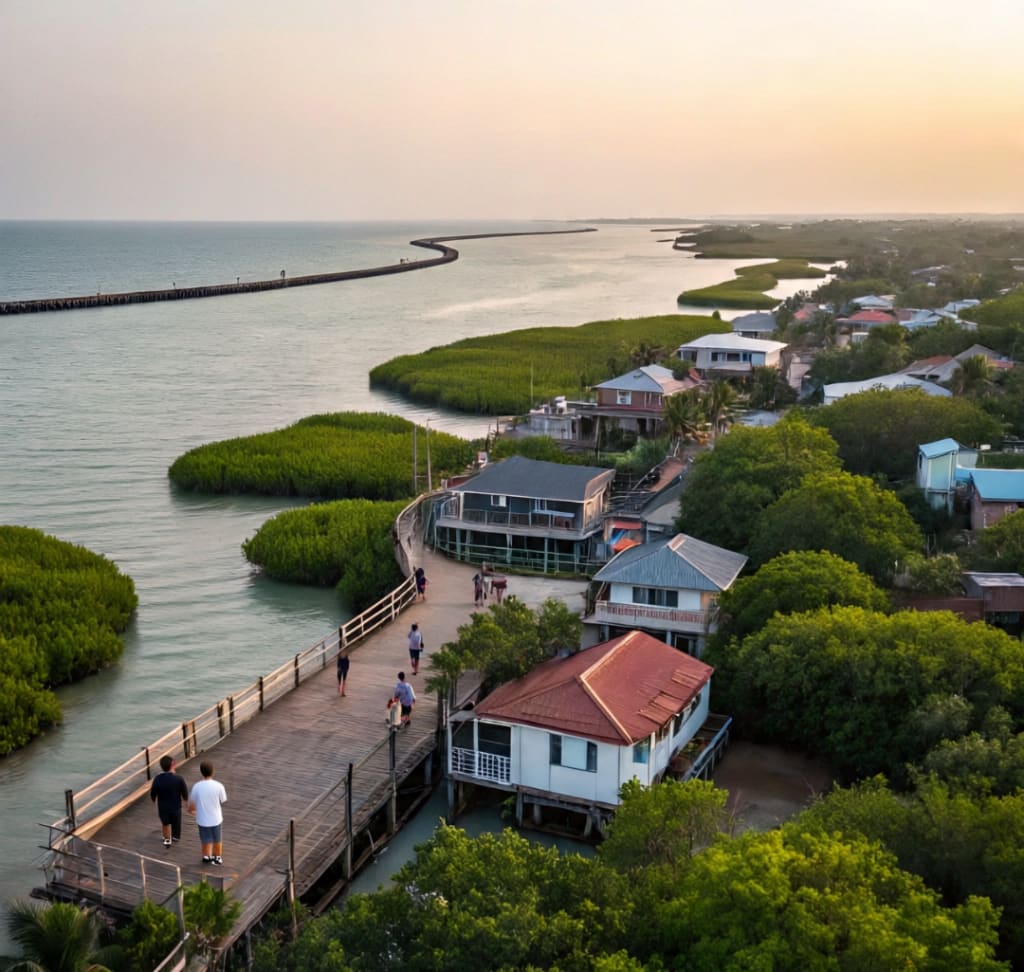
As the sun rose over the coastal village of Elmar Bay, its golden light reflected off shimmering water channels that now wove through parts of the town like new, natural streets. Once seen as a threat, these ocean-fed waterways have become symbols of hope, innovation, and adaptation for a community that refused to be swept away.
Elmar Bay, nestled on the eastern coast, had long been known for its charm — fishermen pulling in nets at dawn, children laughing on sandy shores, and colorful homes lining the beachfront. But over the past two decades, rising sea levels and tidal floods had become a constant challenge, creeping further inland with each passing year. The ocean, once a friend, began to feel like a quiet intruder.
“At first, it was terrifying,” recalled Marina Lowe, a lifelong resident and community leader. “We had floods that destroyed homes, displaced families, and wiped out gardens. But we made a choice — to stay, and to adapt.”
That choice marked the beginning of a remarkable transformation. Rather than retreating inland, Elmar Bay became one of the first towns in the region to embrace "living with water" — a concept that focuses not on resisting flooding, but learning how to coexist with it.
One of the most visible changes was the construction of amphibious homes. Raised on floating foundations, these houses rest on solid ground during dry seasons and gently rise with floodwaters when the tides swell. The architecture, inspired by traditional stilt homes and modern engineering, has become a model for other coastal communities.
“I used to worry about every storm,” said Arjun Patel, an architect who helped design the amphibious housing. “Now, I watch my home rise and fall with the tide, and it feels like we’re in harmony with the sea.”
Nature played a key role in Elmar Bay’s resilience. Instead of concrete sea walls, the community invested in restoring mangroves and wetlands, which act as natural buffers against tidal surges. These ecosystems not only reduce flooding but also provide rich habitats for birds, fish, and other wildlife — bringing new life to the area.
The town’s transformation wasn’t just physical. It was cultural.
Schools began teaching children about climate science and sustainability through hands-on learning — like planting mangroves or designing flood-resilient models in science class. Local artists created murals celebrating water as both a life source and a powerful force, reminding everyone of the importance of respect and balance.
Community gardens, built in raised beds, provided fresh food even after floods. Floating markets — boats transformed into mobile shops — allowed commerce to continue, even when roads were temporarily underwater.
“It brought us closer together,” said Lowe. “Flooding used to isolate us. Now, we check on neighbors, share food, and support one another. We became more than just a community — we became a team.”
International organizations and researchers began to take notice. Elmar Bay became a case study for climate resilience, hosting delegations from around the world who came to learn, not just about the technologies used, but the spirit that fueled them.
Of course, challenges remain. Not every storm passes without impact, and the sea continues to rise. But Elmar Bay no longer views the ocean as an enemy. Instead, it sees the water as a reality — one that can be respected, understood, and even embraced.
“Nature is changing, and we must change with it,” said Patel. “We’re not just surviving here — we’re thriving. That’s the real story.”
The sound of children laughing echoed once more along the water’s edge as a group of them paddled down one of the new canals in bright yellow kayaks. Behind them, the horizon sparkled, the sea stretching endlessly outward, vast and calm.
For Elmar Bay, the future isn’t about building walls to keep the ocean out. It’s about building lives that rise with the tide.
About the Creator
Keep reading
More stories from Muhammad Saad and writers in Earth and other communities.
Bright Horizons: A World of Positive Change
Bright Horizons: A World of Positive Change Inspiring Stories and Global Progress Shaping a Better Future for All In a world often overwhelmed by headlines of conflict, crisis, and division, there are quieter, powerful stories unfolding — stories of cooperation, innovation, and hope. From renewable energy breakthroughs in Africa to grassroots education programs in South Asia, the world is steadily, and often silently, moving toward a better future.
By Muhammad Saad 7 months ago in Earth



Comments
There are no comments for this story
Be the first to respond and start the conversation.