
Rising Waters, Rising Wisdom
How Communities Around the World Are Adapting to and Learning from Floods
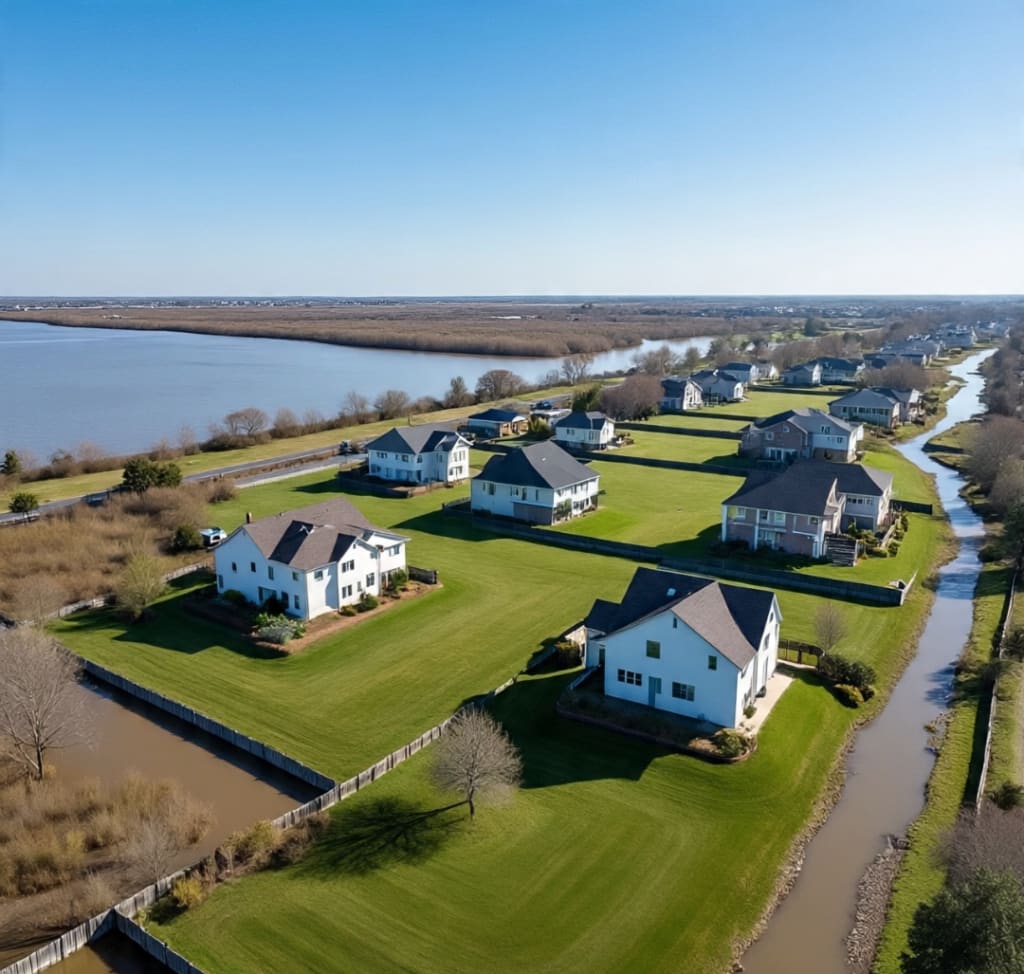
Rising Waters, Rising Wisdom
How Communities Around the World Are Adapting to and Learning from Floods
In the heart of Bangladesh, during the annual monsoon season, 12-year-old Amina steps barefoot into the water that now laps at her doorstep. It’s not fear she feels, but familiarity. Her village, like many others across the globe, has long learned to live with water — not as an enemy, but as a force to understand, respect, and work with.
Floods have been shaping Earth’s landscapes for millions of years. They are natural events, essential in some ecosystems for replenishing nutrients and maintaining biodiversity. But in recent decades, as urbanization intensifies and climate change accelerates, floods have grown more frequent and severe — often with devastating consequences for human life.
In 2024 alone, major floods displaced millions in Pakistan, parts of Europe, and the southeastern United States. Cities and rural areas alike faced rising waters that overwhelmed drainage systems, ruined crops, and cut off communities. But amid the loss, a new kind of response is emerging — one rooted in adaptation, resilience, and innovation.
One such example comes from Rotterdam, in the Netherlands. As a low-lying city surrounded by water, Rotterdam has been at risk of flooding for centuries. Instead of resisting the water entirely, city planners chose a different path: to design with it. Today, the city boasts “water plazas” — public spaces that function as recreational parks during dry periods and as catchment basins when it rains. Green rooftops, floating homes, and sponge-like urban designs all play a role in managing excess water naturally.
“Water is no longer just a threat here,” says urban planner Marieke de Jong. “It’s a design element — something we plan for, not against.”
This philosophy of “living with water” is gaining momentum worldwide. In Jakarta, Indonesia — a city sinking under its own weight and battling frequent floods — government officials and architects are working to integrate green infrastructure, relocate vulnerable communities, and restore lost wetlands that once absorbed heavy rains.
Back in Bangladesh, communities like Amina’s use floating schools and gardens. These structures, built on bamboo rafts, rise with the floodwaters, ensuring that education and food production can continue even during the worst of the monsoon season.
But adaptation isn’t only about high-tech solutions or massive government interventions. In small Appalachian towns in the United States, neighbors band together to monitor river levels and send early warnings through group messaging apps. They build rain gardens in their backyards and install simple rain barrels to divert water from overburdened sewer systems.
Scientists are also playing a key role. Improved satellite imaging and data analysis allow meteorologists to better predict flood risks, giving communities more time to prepare. Meanwhile, climate researchers emphasize the urgent need to reduce greenhouse gas emissions to limit further warming — and with it, more extreme rainfall patterns.
“Floods will never go away entirely,” says Dr. Sarah Mitchell, a hydrologist at the University of Colorado. “But how we prepare for them, how we live with them, will make all the difference.”
That preparation often begins with awareness. Schools are incorporating flood safety into their science and geography lessons. Documentaries and local media increasingly spotlight not just flood disasters, but stories of resilience — like the Vietnamese farmers who turned their rice paddies into aquaculture ponds during the wet season, or the South African engineers designing bridges that allow floodwaters to pass beneath without damaging the roads.
Still, challenges remain. Many of the world’s poorest communities are also the most vulnerable to flooding, with limited resources to rebuild after each disaster. Climate justice advocates argue for increased global funding and support to help these areas adapt — not just to survive, but to thrive.
As the climate continues to change, so too must our relationship with water. From floating homes to flood-resilient farming, the human story of floods is no longer just about tragedy — it’s about transformation.
And as the waters rise, so does our collective wisdom.
About the Creator
Keep reading
More stories from Muhammad Saad and writers in Earth and other communities.
The Forest Advantage: Nature’s Gift to Our Planet
Forests are among Earth’s most extraordinary gifts—vast, living systems that support life in ways both visible and invisible. Towering trees, whispering leaves, and rich green canopies are not just beautiful to behold—they are vital to the health of our climate, our ecosystems, and even our minds. Often called “the lungs of the planet,” forests quietly perform miracles every day, giving more than they take. At first glance, a forest may seem like a collection of trees. But look a little closer, and you’ll see a complex, interconnected world alive with activity. Beneath the surface, roots form vast networks, exchanging nutrients and water. Above, birds sing, insects hum, and mammals roam. Forests are home to over 80% of terrestrial animal and plant species, making them one of the richest sources of biodiversity on Earth. But the benefits of forests go far beyond sheltering wildlife. One of their most crucial roles is in regulating the planet’s climate. Through photosynthesis, trees absorb carbon dioxide—a major greenhouse gas—and release oxygen. In fact, forests store more carbon than the atmosphere itself. The Amazon Rainforest, for example, stores billions of tons of carbon, helping to cool the Earth and slow the pace of global warming. Forests also act as natural air and water purifiers. Their leaves trap dust and pollutants, while their roots prevent soil erosion and filter rainwater. In mountainous regions, forests help regulate water cycles, reducing the risk of floods and droughts. Cities that preserve nearby forests often enjoy cleaner air and more stable water supplies, with less need for costly infrastructure. Another remarkable benefit of forests is their impact on human well-being. Numerous studies show that spending time in forests reduces stress, lowers blood pressure, and boosts immune function. In Japan, the practice of “forest bathing” or shinrin-yoku—simply walking through the woods—has become a widely recommended form of therapy. People who spend time in nature often report feeling calmer, more focused, and more connected to the world around them. And the economic value of forests is undeniable. Forests provide timber, medicine, fruits, nuts, and fuel to billions of people around the world. Yet the most sustainable value may lie in eco-tourism and conservation. Countries like Costa Rica and Bhutan have built strong economies around preserving forested areas, inviting visitors to experience the wonder of nature while protecting it for future generations. Importantly, forests support the lives and cultures of millions of Indigenous communities who have lived in harmony with the land for centuries. These communities often possess deep knowledge about forest ecosystems, and their stewardship has helped preserve some of the most biodiverse areas on Earth. Respecting and empowering these guardians of the forest is key to global conservation efforts. Despite their many benefits, forests face serious threats. Deforestation—mostly for agriculture, logging, and urban development—destroys millions of hectares every year. When forests are lost, the consequences ripple outward: carbon is released into the atmosphere, species lose their homes, and local communities suffer. However, there is reason for hope. Around the world, people are taking action to protect and restore forests. Massive tree-planting campaigns, like the Great Green Wall in Africa, are turning barren land into thriving ecosystems. Technological tools like drones and satellite imagery are helping track forest health and prevent illegal logging. Governments, businesses, and everyday citizens are beginning to recognize that the health of forests is tied directly to the health of the planet. Even small actions can make a big difference. Choosing sustainably sourced wood and paper, reducing meat consumption (which lowers pressure on land), and supporting forest-friendly brands are steps anyone can take. Planting a tree in your community, visiting a local woodland, or supporting forest conservation organizations are simple ways to reconnect with nature and give back to the forests that give us so much. Forests don’t ask for much. They grow in silence, offering shade, shelter, and sustenance without demand. They shield us from storms, clean our air, stabilize our soil, and fill our world with life. Their quiet generosity is something to be celebrated—and protected. As we face the challenges of climate change and environmental degradation, the answer may lie not in new inventions, but in age-old wisdom: that nature already holds the key to balance and resilience. And among all of nature’s gifts, forests are among the greatest. The forest advantage is real—and it’s one we can’t afford to lose. Let’s protect our forests, not just for the trees, but for the promise they hold: of a greener, healthier, and more hopeful world for all.
By Muhammad Saad 7 months ago in Earth
San Francisco Food Banks: How Community Support Fights Hunger
San Francisco is a city filled with innovation, opportunity, and diverse communities, yet thousands of residents still struggle to secure enough nutritious food for their families. Rising living costs, fluctuating wages, and ongoing economic pressures make food insecurity a daily reality for many households. Food banks serve as an essential lifeline by providing access to healthy groceries, community resources, and supportive programs.
By Jason Pruet6 days ago in Earth


Comments
There are no comments for this story
Be the first to respond and start the conversation.