
Renewable Energy Transition: Harnessing the Power of Sustainability
Environmental Benefits:

Introduction:
The global transition from fossil fuels to renewable energy sources has emerged as a critical response to combat climate change and ensure a sustainable future. Renewable energy technologies, including solar, wind, hydropower, geothermal, and bioenergy, hold immense promise in providing clean, abundant, and affordable energy. This article explores the ongoing shift towards renewable energy, highlighting the benefits it brings and the challenges it faces.
Environmental Benefits:
The transition to renewable energy offers significant environmental advantages. Firstly, renewable sources produce little to no greenhouse gas emissions, reducing the carbon footprint and mitigating the adverse effects of climate change. Secondly, the utilization of renewables reduces air pollution, enhancing air quality and safeguarding human health. By displacing fossil fuel consumption, renewable energy helps combat the negative impacts of conventional energy production on ecosystems, biodiversity, and water resources.
Energy Security and Independence:
Renewable energy offers the potential to enhance energy security and reduce dependence on finite fossil fuel resources. Unlike fossil fuels, renewable sources are widely distributed, allowing countries to tap into their own domestic resources. This reduces vulnerability to price fluctuations and supply disruptions, enhancing national energy independence and reducing geopolitical tensions associated with fossil fuel extraction and transportation.
Economic Opportunities:
The transition to renewable energy fosters economic growth and job creation. The renewable energy sector has experienced rapid expansion, attracting investments and stimulating technological innovation. The deployment of renewable energy technologies creates a wide range of employment opportunities, spanning from manufacturing and installation to research and development. Additionally, renewable projects often benefit local communities through increased tax revenue and infrastructure development.
Technological Advancements:
The shift towards renewable energy sources has stimulated technological advancements in energy storage, grid integration, and efficiency. For instance, innovations in battery storage enable the efficient utilization of intermittent renewables, such as solar and wind power. Smart grid technologies facilitate the integration of diverse renewable sources into the energy system, enhancing reliability and flexibility. These advancements not only improve renewable energy's reliability but also contribute to the overall modernization of the energy sector.
Cost Competitiveness:
Renewable energy costs have witnessed a remarkable decline in recent years, making them increasingly competitive with fossil fuels. Advances in technology, economies of scale, and supportive policies have contributed to this cost reduction. Solar and wind power, in particular, have achieved grid parity in many regions, making them economically viable alternatives to conventional energy sources. As the cost trajectory continues to favor renewables, the transition becomes more financially feasible.
Challenges Associated with Renewable Energy Transition:
While the benefits of transitioning to renewable energy are significant, several challenges must be addressed:
Intermittency and Storage: Solar and wind energy are intermittent sources, dependent on weather conditions. This intermittency necessitates the development of efficient energy storage technologies to ensure a steady and reliable power supply.
Infrastructure and Grid Integration: Integrating a high share of renewables into existing energy grids requires substantial investments in infrastructure, including transmission lines and distribution systems. Grid modernization is crucial to accommodate the variable nature of renewable sources and enable their seamless integration into the energy mix.
Policy and Regulatory Frameworks: Developing robust policies and regulations that support renewable energy deployment and incentivize investment is crucial. Policy stability, long-term planning, and effective market mechanisms are essential to foster renewable energy growth and attract private sector participation.
Upfront Costs and Financing: While renewable energy costs have decreased, upfront investment costs can still be substantial. Access to affordable financing and investment incentives are necessary to facilitate the deployment of renewable energy projects, particularly in developing countries.
Public Acceptance and Awareness: Overcoming social and cultural barriers is vital for a successful transition. Public awareness campaigns, education, and community engagement are necessary to dispel misconceptions about renewable energy and garner public support.
Conclusion:
The transition from fossil fuels to renewable energy sources is an imperative step towards a sustainable and greener future. The numerous benefits, including environmental preservation, enhanced energy security, economic opportunities, and technological advancements, make the shift to renewables an attractive proposition. However, challenges related to intermittency, infrastructure, policies, financing, and public acceptance must be effectively addressed to accelerate the renewable energy transition on a global scale. However, challenges related to intermittency, storage, infrastructure, technology, and policy must be overcome to unlock the full potential of renewables. By investing in research, incentivizing clean energy deployment, and fostering international collaboration, we can pave the way for a greener, healthier, and more prosperous future powered by renewable energy. By embracing renewable energy, we can chart a path towards a cleaner, more resilient, and equitable energy future for generations to come.
About the Creator
Keep reading
More stories from Emmanuel Francis and writers in Earth and other communities.
Climate Change and its Impacts: Exploring Causes, Consequences, and the Urgency for Action
Introduction Climate change is an imminent global challenge that demands urgent attention from individuals, communities, governments, and organizations worldwide. It refers to long-term shifts in temperature patterns and weather conditions caused primarily by human activities, specifically the emission of greenhouse gases into the Earth's atmosphere. This article aims to delve into the causes and consequences of climate change, highlighting the rising temperatures, sea-level rise, extreme weather events, and their profound effects on ecosystems and human societies.
By Emmanuel Francis3 years ago in Earth
Homeowners Don’t Want to Move: The Big Deal About Shrinking Backyards
In neighborhoods across the country, a subtle but growing trend is taking root: homeowners aren’t moving, and it’s not just because of the housing market. Many are staying put because their backyards—once spaces for relaxation, gardening, and family fun—are shrinking, either physically due to new development or symbolically as life priorities shift. What may seem like a minor detail—an ordinary backyard—is, for many, a defining feature of home life. Losing it can change how people live, play, and even feel about their communities. This shift has consequences for families, urban planning, and even the way cities are designed. It also sheds light on why homeowners are willing to compromise on size, style, or even location rather than give up their outdoor space. Why Backyards Matter More Than Ever Backyards are more than just patches of grass. They are extensions of our living space, providing: Personal outdoor retreats for reading, gardening, or hosting friends. Safe spaces for children and pets to play. Social hubs for barbecues, birthdays, and neighborhood gatherings. Mental and physical health benefits, including fresh air, sunlight, and exercise. For families who have invested years into landscaping, planting trees, or building decks and patios, the backyard is an emotional asset. Moving to a new home often means losing these personal touches—and many homeowners aren’t willing to take that step. “Backyards are part of our identity,” says Laura Jennings, a landscape designer in suburban Chicago. “People have memories tied to them—first steps, garden harvests, family barbecues. That’s why so many homeowners are staying put, even if it’s tempting to relocate for a bigger house or a better neighborhood.” The Trend of Shrinking Yards Urban densification and suburban development have slowly eaten into traditional backyard space. In many cities, large lots are being replaced with townhomes, duplexes, or small-lot single-family homes. Even in suburban neighborhoods, new constructions often prioritize indoor square footage over outdoor space. The shrinking backyard trend has several effects: Less room for recreation: Families may struggle to fit a swing set, pool, or garden into a smaller yard. Increased desire to stay put: Homeowners prefer maintaining a familiar outdoor space rather than trading it for a slightly larger indoor area. Higher emotional attachment: As yards become more limited, the significance of every tree, patch of grass, or vegetable garden grows. For many, the choice isn’t just about square footage—it’s about quality of life. Homeowners Are Making Trade-Offs As a result, more homeowners are staying in place longer, even if it means: Skipping a bigger kitchen or extra bedroom. Living in a less “trendy” neighborhood. Paying more in maintenance or property taxes to keep a cherished yard intact. Some have embraced innovative backyard solutions to maximize smaller spaces: Vertical gardens and container planting. Multi-functional patios that serve as dining, lounging, and play areas. Creative landscaping, including raised beds, pergolas, and tiny ponds. These adaptations allow homeowners to maintain the sense of space and enjoyment they’ve built over years without relocating. Emotional and Social Dimensions Beyond practical reasons, the backyard has a symbolic meaning. It represents: Continuity and stability: Homeowners see staying put as preserving a lifestyle. Family history: Many yards hold stories—graduations, summer afternoons, first bike rides. Community connection: Long-term residents know neighbors, local schools, and nearby amenities. Moving often means giving up these ties. A survey by the National Association of Home Builders found that over 60% of homeowners aged 35–55 preferred staying in their current homes, citing yard size and outdoor enjoyment as key factors. For these individuals, giving up a backyard is not a small inconvenience—it’s a major life decision. The Impact on Neighborhoods and Cities The trend of staying put also affects broader urban and suburban planning. Fewer homeowners moving means: Less turnover in neighborhoods, which can reduce housing market fluidity. Pressure on developers to include quality outdoor space in new builds. Greater demand for parks and community green spaces, as private yards shrink. Urban planners and developers are noticing the importance of outdoor space in retention and satisfaction metrics. Homes with usable yards, green roofs, or communal gardens often have higher value and attract long-term residents. The Future of Backyard Living As city lots shrink and suburban sprawl continues, homeowners are adapting: Smaller, highly curated gardens instead of sprawling lawns. Multi-functional backyards designed for work, play, and entertainment. Investment in outdoor amenities such as fire pits, decks, or small pools. Some communities are exploring shared backyard concepts, like community gardens and pocket parks, to supplement shrinking private spaces. While these aren’t a complete replacement for personal yards, they provide social and environmental benefits and may encourage homeowners to stay in their homes longer. Conclusion: More Than Grass and Trees Shrinking backyards might seem like a minor design issue, but for homeowners, it’s deeply tied to lifestyle, family life, and personal identity. The reluctance to move is not just a reaction to the housing market; it reflects an emotional, social, and practical connection to outdoor space that indoor square footage alone can’t replace. As urban density grows and lot sizes shrink, the importance of backyards will continue to shape homeowner decisions, neighborhood design, and community dynamics. Families are showing that a yard is not just grass and trees—it’s a place of memory, freedom, and connection. In a world where real estate trends often prioritize indoor luxury, the backyard remains a powerful symbol of home, anchoring families to the places they love—and keeping many from moving at all
By Muhammad Hassana day ago in Earth
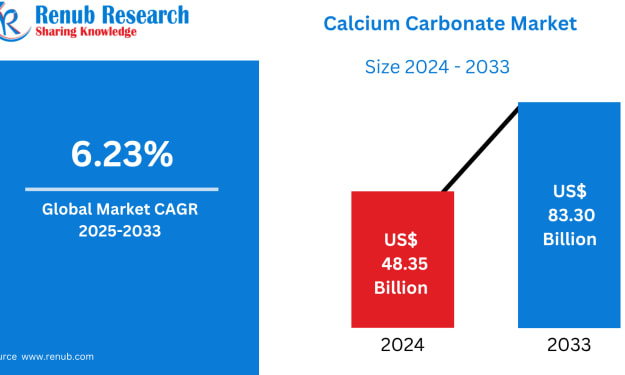
Global Calcium Carbonate Market Size & Forecast 2025–2033
Introduction: A Quiet Giant of Global Industry Calcium carbonate may not be a headline-grabbing material, but it is one of the most indispensable compounds in modern industrial life. Found naturally in limestone, marble, and chalk, this humble mineral underpins everything from the buildings we live in to the paper we write on and the plastics we use every day. Its low cost, wide availability, and remarkable versatility have made it a cornerstone raw material across multiple industries worldwide.
By jaiklin Fanandisha day ago in Earth
Smart phones, Humans and Aliens.
WARNING. I will be tapping into one of your favorite creative tensions: The absurdity of humans worshipping their glowing rectangles as if they were tiny oracles. There’s something deliciously poetic about that contradiction, and it lends itself beautifully to an instructive proviso.
By Novel Allen4 days ago in Poets



Comments
There are no comments for this story
Be the first to respond and start the conversation.