
Renewable Energy and Sustainable Technologies
Renewable Energy and Sustainable Technologies: Paving the Way to a Greener Future
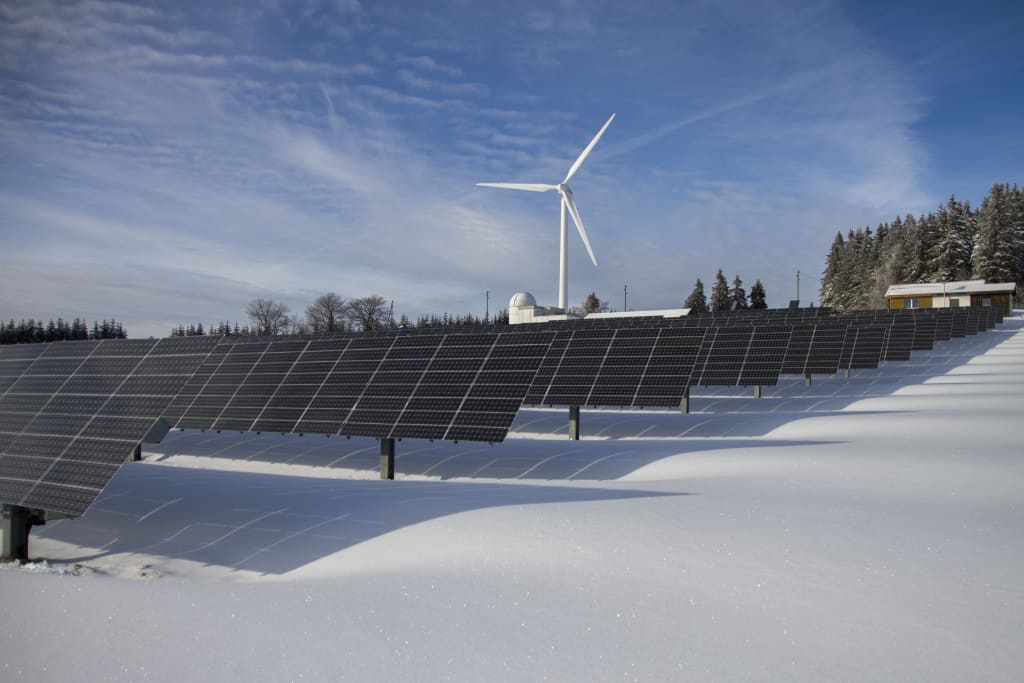
In the face of growing environmental concerns and the urgent need to combat climate change, renewable energy and sustainable technologies have emerged as crucial solutions. The world is gradually transitioning from fossil fuels to cleaner and more sustainable alternatives. In this article, we will explore the latest innovations in renewable energy sources, energy storage, and sustainable technologies that are shaping a greener future for our planet.
The Rise of Renewable Energy
Renewable energy sources, such as solar, wind, hydro, geothermal, and biomass, are gaining significant traction worldwide. These sources offer abundant, clean, and sustainable energy that can replace traditional fossil fuels, reducing greenhouse gas emissions and minimizing environmental impact. Let's take a closer look at some of the key renewable energy technologies:
Solar Power
Solar power harnesses energy from the sun by utilizing photovoltaic (PV) cells or solar thermal collectors. PV cells convert sunlight directly into electricity, while solar thermal collectors absorb heat from the sun to generate steam for electricity production or other heating purposes. Advancements in solar technology, including improved efficiency and cost reduction, have made solar power an increasingly viable option for residential, commercial, and industrial applications.
Wind Energy
Wind energy utilizes wind turbines to convert the kinetic energy of the wind into electrical power. As wind passes through the turbine blades, it causes them to rotate, driving a generator that produces electricity. Wind farms, both onshore and offshore, are being established in various regions with favorable wind conditions, contributing to a cleaner energy mix and reducing reliance on fossil fuels.
Hydroelectric Power
Hydroelectric power harnesses the energy of moving water to generate electricity. It involves the construction of dams or reservoirs that store water, which is released through turbines to generate power. Hydroelectric power is a reliable and established renewable energy source, with large-scale hydroelectric plants contributing significantly to global electricity production.
Geothermal Energy
Geothermal energy utilizes heat from the Earth's core to generate power. It involves tapping into underground reservoirs of hot water or steam and converting their energy into electricity. Geothermal power plants have the advantage of providing a continuous and baseload power supply, making them a reliable source of renewable energy.
Biomass Energy
Biomass energy involves the conversion of organic materials, such as agricultural residues, forestry waste, and dedicated energy crops, into usable forms of energy. Biomass can be burned directly to produce heat or converted into biogas or biofuels. Biomass energy helps reduce waste and provides a renewable alternative to fossil fuels in various sectors, including heating, electricity generation, and transportation.
Advancements in Energy Storage
One of the key challenges in integrating renewable energy sources into the grid is their intermittent nature. The availability of renewable energy depends on weather conditions (in the case of solar and wind power) or other factors. Energy storage technologies play a vital role in addressing this challenge by storing excess energy during periods of high generation and releasing it when demand is high or renewable sources are limited. Let's explore some notable advancements in energy storage:
Lithium-Ion Batteries
Lithium-ion batteries have become the go-to energy storage solution for various applications, from portable electronics to electric vehicles and renewable energy systems. These batteries offer high energy density, efficiency, and cycle life, enabling reliable and scalable energy storage for both small-scale and large-scale applications.
Pumped Hydroelectric Storage
Pumped hydroelectric storage involves using excess electricity to pump water from a lower reservoir to an upper reservoir. During times of high demand, the stored water is released, flowing through turbines to generate electricity. Pumped hydroelectric storage is a mature and widely used technology, offering large-scale storage capacity and rapid response times.
Thermal Energy Storage
Thermal energy storage systems store heat or cold generated from renewable energy sources, such as solar or geothermal, and release it when needed. These systems can store energy in the form of hot or cold water, molten salt, or phase change materials. Thermal energy storage enables efficient utilization of renewable energy for heating and cooling applications, reducing the reliance on traditional heating and cooling systems.
Flow Batteries
Flow batteries store energy in two separate liquid electrolytes that flow through a cell stack. The electrolytes can be recharged by replacing them with freshly charged electrolytes, allowing for virtually unlimited cycling and long-duration energy storage. Flow batteries offer scalability and flexibility, making them suitable for grid-scale energy storage applications.
Sustainable Technologies and Innovations
In addition to renewable energy sources and energy storage, numerous sustainable technologies and innovations are contributing to a greener future. These technologies aim to improve energy efficiency, reduce carbon emissions, and promote sustainable practices across various sectors. Here are a few notable examples:
Smart Grids
Smart grids leverage advanced digital technologies to optimize energy generation, distribution, and consumption. They enable better monitoring, control, and coordination of energy resources, facilitating the integration of renewable energy sources, demand response programs, and energy-efficient practices. Smart grids play a crucial role in maximizing the efficiency and reliability of the energy system while reducing environmental impact.
Energy-Efficient Buildings
Energy-efficient building technologies focus on reducing energy consumption in residential, commercial, and industrial structures. These technologies include efficient insulation, smart lighting systems, energy management systems, and renewable energy integration at the building level. Energy-efficient buildings minimize energy waste, lower greenhouse gas emissions, and provide comfortable and sustainable spaces for occupants.
Electric Vehicles (EVs)
Electric vehicles are revolutionizing transportation by offering a sustainable alternative to traditional internal combustion engine vehicles. EVs produce zero tailpipe emissions, significantly reducing air pollution and reliance on fossil fuels. Advancements in battery technology and charging infrastructure are driving the widespread adoption of electric vehicles, paving the way for a cleaner and greener transportation sector.
Sustainable Agriculture
Sustainable agricultural practices aim to minimize environmental impact, conserve natural resources, and promote biodiversity. These practices include organic farming, precision agriculture, agroforestry, and the use of renewable energy in farming operations. Sustainable agriculture not only reduces greenhouse gas emissions but also promotes soil health, water conservation, and resilient food production systems.
Conclusion
Renewable energy and sustainable technologies are at the forefront of combating climate change and transitioning towards a greener and more sustainable future. With advancements in renewable energy sources, energy storage, and sustainable practices across various sectors, we have the opportunity to reduce our carbon footprint and ensure a cleaner planet for future generations. By embracing these technologies and innovations, we can make significant strides in mitigating climate change and achieving a more sustainable and resilient world. Let us join hands in embracing renewable energy and sustainable technologies for a brighter and greener future.
About the Creator
Keep reading
More stories from Muhammad Mahmood and writers in Earth and other communities.
Renewable Energy Sources
In the awe-inspiring realm of sustainable and renewable energy, geothermal energy emerges as a captivating frontier. As humanity faces the critical need to combat climate change and reduce our reliance on finite fossil fuels, the boundless potential of geothermal energy beckons. This article embarks on a fascinating expedition into the world of geothermal energy, exploring its origins, advantages, technologies, and the transformative impact it can bestow upon our energy landscape.
By Muhammad Mahmood3 years ago in Earth
All Holidays Cancelled as UK Holiday Firm Goes Bust
Holiday Firm Collapse Sparks Chaos A major UK holiday company has gone bust, resulting in the cancellation of all booked holidays. The collapse has left thousands of travellers without trips, refunds, or alternative arrangements, sparking frustration and concern among affected customers.
By Aarif Lashari3 days ago in Earth




Comments
There are no comments for this story
Be the first to respond and start the conversation.