
Raising the Roof on Edible Landscapes
Is urban farming the solution to continue feeding the world in the future?

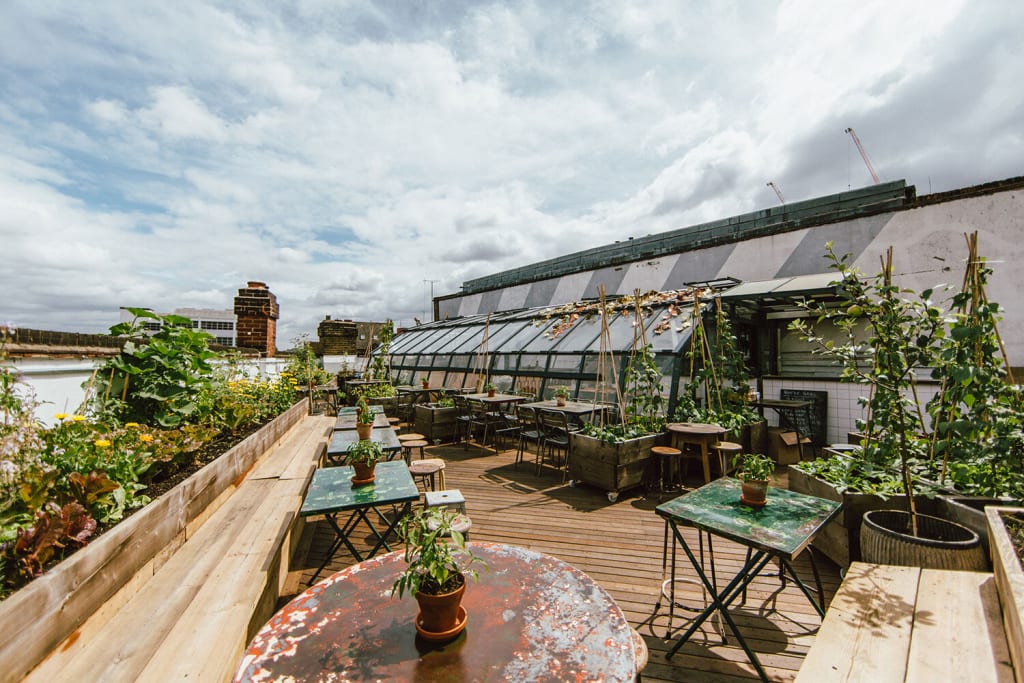
London, like most cities across the world, is a hub of businesses meet restaurants meet politicians meet noise, traffic, and pollution. Buildings, travel networks (above and below ground), and bumper-to-bumper traffic produce a cacophony of ear-splitting sounds. Commuters scurry to their workplaces, tourists meander to museums and art galleries, and everybody flocks to cafés, bars, and restaurants.
Arabian Nights
I have always been fascinated with rooftops. When I lived in Dubai there were dozens of rooftop bars and restaurants scattered across the city offering spectacular views across the Jumeirah coastline. One of my favourites was at The One and Only Royal Mirage Hotel which had views overlooking Palm Island. Its majlis-style sofas and flickering candles transported me straight into a scene out of Arabian Nights. It was magical.
There was a downside, however, to these amazing outdoor chic restaurants and no, it wasn’t the ear-popping ride up to the 43rd floor (or 35th, 24th, or 17th) in the incredibly fast glass elevator where you left your stomach behind when you exited at the top. It was the heat.
Urban Rooftop Gardens
Dubai’s first volunteer-run Urban Rooftop Garden opened in 2016 but the heat in Dubai is intense and even during the cooler months between October and March, the temperature rarely falls below 25° C and can rise to over 45° C in July and August. This presents irrigation challenges but is something Dubai is used to with its desert climate.
London’s Home-Grown Urban Gardener
Jack Astbury is the Director/Executive Grower of Urban Organic based in London, which he started in 2015. Delivering outstanding garden projects that look great and perform beautifully. They provide fresh, home-grown produce at the point of consumption, which has the following benefits:
· zero packaging
· lower carbon emissions as it cuts out the need for transportation
· great utilization of space, as land is becoming more expensive
· high-quality food grown with no pesticides
· sustainability through supporting the local community
“Our pub and restaurant gardens create a truly unique experience for diners who are able to sit amongst a combination of edible and ornamental plants whilst enjoying food and drink made from the freshest of ingredients.”
Is Urban Farming Helping to Feed the World?
As the ever-increasing population demands to be fed, food supplies are being challenged, National Geographic Magazine asks, “Where will we find enough food for 9 billion?”
As the world population keeps growing, it is clear we will need to adapt our farming techniques to feed everyone. In addition to rooftop gardens, vertical farms can produce food in urban environments on a large scale, growing herbs and micro greens for the food industry.
Farm-to-Table
Kitchen gardens have delighted cooks and chefs for centuries, providing fresh, home-grown produce for their menus, and the growing movement of farm-to-table restaurants has its own benefits. It reduces pollution by reducing emissions from transport which is not needed and if it is, it's for much shorter distances. This supports sustainable farming because the money is re-invested into the local community and it also provides jobs for the local workforce.
“Urban Organic not only build and manage kitchen gardens for pubs and restaurants, but they also help you to grow your own vegetables at home with beautifully designed vegetable gardens, they bring green space into the heart of your workspace with commercial landscaping, they offer workshops to reconnect your staff with nature and food, they create outdoor gardens for schools and colleges and they build and help organize community gardens that bring people together.”
People also benefit from the community spirit that is generated which, post-pandemic, can only be a good thing and a positive way forward in what has been a very difficult time for everybody around the world.
A floating dairy farm
Another innovative example of sustainable food production is a floating dairy farm in Rotterdam harbour, which aims to help feed the city more sustainably. The 32 cows are able to wander onto a neighbouring field and the stability of the farm is designed to ensure they don’t get seasick. It generates all its own electricity from floating solar panels and provides fresh water through a rainwater collection and purification system. The cows are fed with grass from playing fields and golf courses in the city, along with waste food such as potato scraps, bran and brewers’ grains. Their manure is used to create a natural fertiliser.
Easing Out of Post-Pandemic Blues
As the world eases itself out of the post-corona virus sadness of illness, death and uncertainty, rooftop gardens and edible landscapes will not only provide zero-packaging, sustainable, fresh, and carbon-zero food, but they will also be wonderful places to relax and socialize.
I can’t think of a nicer place to be than on a rooftop restaurant enjoying a meal with family and friends made from beautiful, fresh ingredients that we can sit among, relax and admire, connecting with nature while reconnecting with each other.
* * *
This article was first published on Medium, where you can find more of my work. Why not get a weekly update from me in England by signing up to Rosy's Ramblings? I publish every Saturday and it's free!
About the Creator
Rosy Gee
I write short stories and poetry. FeedMyReads gave my book a sparkling review here. I have a weekly blog: Rosy's Ramblings where I serialized my first novel, The Mysterious Disappearance of Marsha Boden. Come join me!



Comments
There are no comments for this story
Be the first to respond and start the conversation.