
Protecting the Environment
How Everyone Can Contribute to Saving Our Planet for Future Generations


The environment is the natural world that surrounds us — including the air we breathe, the water we drink, the land we live on, and the ecosystems that support life. Over the past few decades, the condition of our environment has deteriorated significantly due to human activities such as industrialization, deforestation, pollution, and overconsumption of resources. Protecting the environment is no longer a choice; it is a necessity for our survival and for the well-being of future generations.
Importance of Environmental Protection
Environmental protection is critical for several reasons. Firstly, a clean and balanced environment ensures the survival of all living organisms. When the environment is polluted or destroyed, it directly affects the health and lives of humans, animals, and plants. For example, air pollution causes respiratory diseases, while water pollution leads to serious health conditions and the death of aquatic life.
Secondly, the environment provides us with essential resources such as food, water, fuel, and raw materials for industries. Without a healthy environment, we cannot sustain our modern way of life. Thirdly, the environment regulates natural processes such as the water cycle, climate patterns, and the purification of air and water. These processes are crucial for maintaining life on Earth.
Finally, the beauty and biodiversity of nature have intrinsic value. Forests, mountains, rivers, oceans, and wildlife contribute to our mental well-being and offer recreational, cultural, and spiritual benefits.
Major Environmental Issues
Some of the major environmental problems we face today include:
1. Pollution
Pollution is one of the most serious threats to the environment. It comes in many forms — air pollution from vehicles and factories, water pollution from industrial waste and sewage, soil pollution from chemicals and plastics, and noise pollution from urban development. Pollution degrades ecosystems, affects health, and contributes to global problems like climate change.
2. Climate Change
Global warming caused by the excessive emission of greenhouse gases (especially carbon dioxide) is leading to climate change. This results in rising sea levels, melting glaciers, more frequent and intense natural disasters like floods, droughts, and hurricanes, and the disruption of ecosystems. Climate change threatens agriculture, water resources, and human settlements worldwide.
3. Deforestation
Trees are vital for maintaining ecological balance. They absorb carbon dioxide and release oxygen, prevent soil erosion, and support biodiversity. However, large areas of forests are being cleared for agriculture, urbanization, and logging. Deforestation results in the loss of biodiversity, disruption of rainfall patterns, and contributes to climate change.
4. Loss of Biodiversity
Due to habitat destruction, pollution, hunting, and introduction of invasive species, many plant and animal species are becoming endangered or extinct. This loss of biodiversity weakens ecosystems and reduces their ability to provide essential services like pollination, water purification, and disease control.
How to Protect the Environment
Protecting the environment requires collective efforts from individuals, communities, industries, and governments. Here are some effective ways to contribute to environmental protection:
1. Reduce, Reuse, and Recycle
Minimizing waste by following the 3Rs — Reduce, Reuse, and Recycle — is a simple but powerful way to protect the environment. Reducing consumption, reusing products, and recycling materials can conserve natural resources and reduce pollution.
2. Save Energy and Use Renewable Resources
Energy conservation reduces the burning of fossil fuels, which are a major source of pollution and greenhouse gases. Using energy-efficient appliances, turning off lights when not needed, and using public transport can make a difference. Switching to renewable energy sources like solar, wind, and hydro power is a sustainable alternative.
3. Plant Trees and Support Afforestation
Trees help combat climate change, purify the air, and provide habitat for wildlife. Individuals and communities should plant trees and support reforestation and afforestation projects. Protecting existing forests is equally important.
4. Avoid Single-Use Plastics
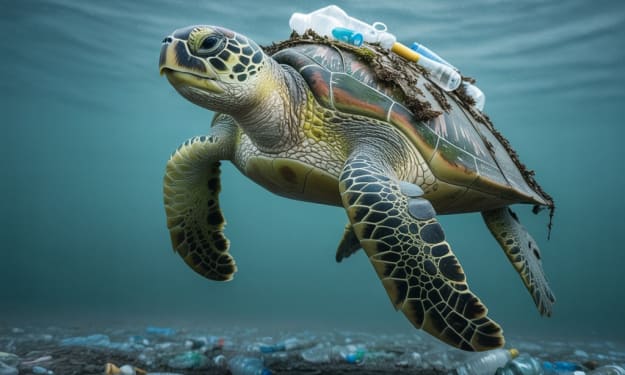
Plastic waste is a major environmental problem, especially in oceans. Using reusable bags, bottles, and containers instead of single-use plastic products can help reduce plastic pollution.
5. Water Conservation
Freshwater is a limited resource. Saving water by fixing leaks, using efficient fixtures, and avoiding wastage can help ensure that clean water is available for everyone and reduce the strain on natural water bodies.
6. Support Environmental Laws and Policies
Governments play a crucial role in environmental protection. Citizens should support policies and regulations that protect nature, and hold industries and polluters accountable for their actions.
Role of Education and Awareness
Education is a powerful tool in promoting environmental protection. Schools, colleges, media, and social platforms can raise awareness about environmental issues and inspire people to adopt eco-friendly habits. Environmental education should be a part of school curriculums to teach children the importance of sustainability from a young age.
Public awareness campaigns, community clean-up drives, and environmental days like Earth Day and World Environment Day help engage people and spread the message of environmental responsibility.
Conclusion
Protecting the environment is a shared responsibility. Every action we take — whether it is reducing waste, saving energy, planting trees, or educating others — contributes to a cleaner and healthier planet. While governments and organizations have a big role to play, the contribution of individuals is equally important. We must remember that we do not inherit the Earth from our ancestors; we borrow it from our children. Let us act today to ensure a sustainable and livable future for generations to come.
About the Creator
Keep reading
More stories from Zakaria Muhammad and writers in Earth and other communities.
A Responsible Approach for a Sustainable Future
Plastic is one of the most revolutionary materials of modern times. Its discovery and widespread use have brought remarkable convenience to human life, transforming industries such as packaging, healthcare, construction, and transportation. However, plastic also poses serious environmental and health threats when misused or overused. Therefore, the focus today must shift from merely using plastic to using it properly. Responsible and mindful plastic use can help retain its benefits while minimizing the harmful consequences.
By Zakaria Muhammad 9 months ago in Education
Nvidia CEO Says AI Will Create Jobs for Electricians and Plumbers
For years, artificial intelligence has been associated with job loss fears. From factory automation to office software, the dominant narrative has suggested that AI will replace human workers across industries. But according to Nvidia CEO Jensen Huang, the AI revolution tells a more complex—and surprisingly optimistic—story.
By Muhammad Hassan6 days ago in Earth
Pentagon Contractor Indicted Over Alleged Leak Tied to Raided Washington Post Reporter
A Pentagon contractor has been indicted in connection with an alleged leak tied to a Washington Post reporter, marking a significant escalation in the U.S. government’s scrutiny of leaks involving national security information. The case has raised questions about press freedom, government overreach, and the balance between security and transparency, stirring debates in political, legal, and journalistic circles. Background of the Case According to court documents, the Pentagon contractor is accused of disclosing classified or sensitive information to a Washington Post journalist, whose office was previously raided by federal authorities as part of a leak investigation. The allegations include: Transmitting sensitive information without authorization. Coordinating with journalists who may have used the material in published reports. Potentially compromising national security operations or personnel. Federal prosecutors allege that the contractor knowingly violated U.S. law by disclosing information protected under federal statutes governing classified material. The Washington Post Connection This case is closely linked to a prior federal raid on a Washington Post reporter, an unprecedented action that drew widespread criticism from journalists and press freedom advocates. The raid reportedly aimed to identify the source of leaks regarding sensitive military or defense operations. The indictment of the Pentagon contractor underscores the government’s ongoing efforts to identify and prosecute sources of classified leaks, even when they involve interactions with journalists. Critics argue that such investigations risk chilling investigative reporting and undermining the First Amendment. Legal Details of the Indictment While some details remain sealed due to the sensitive nature of the information, the indictment reportedly charges the contractor with: Unauthorized disclosure of national defense information. Conspiracy to leak classified material. Violation of federal secrecy and security laws. The contractor now faces potential penalties including prison time, fines, and the permanent loss of security clearance. The case will be closely watched by legal experts, media organizations, and policy analysts, as it could set important precedents for how leaks are investigated and prosecuted. Implications for Press Freedom Journalists and press freedom organizations have raised concerns over the broader implications of this case. Key issues include: Chilling effect on investigative journalism: If government employees fear prosecution for speaking to reporters, crucial stories may go unpublished. Source protection: Confidential sources are vital for reporting on matters of public interest, particularly regarding government and military operations. Transparency vs. security: Balancing the public’s right to know with national security interests remains a complex challenge. The Washington Post and other news outlets have emphasized that government actions should respect constitutional protections for press freedom, even when investigating leaks. Government’s Perspective From the government’s standpoint, the case highlights the risks posed by unauthorized disclosures of sensitive information. Officials argue that leaks can: Compromise ongoing military operations. Endanger personnel and intelligence assets. Undermine national security and international relations. Prosecutors assert that the Pentagon contractor acted knowingly and illegally, justifying the indictment as necessary to protect national interests. Previous Leak Cases and Context This indictment comes amid a series of high-profile leak investigations involving U.S. government employees, contractors, and journalists: Previous cases have involved classified defense documents, intelligence reports, and diplomatic cables. Some investigations resulted in prosecutions, while others sparked controversy over press freedom and government overreach. These cases often raise complex legal questions about the definition of classified information and the rights of journalists to report on public interest issues. Legal experts say this Pentagon contractor case may be one of the most significant yet, given its direct tie to a mainstream news outlet. Public and Media Reaction The indictment has elicited strong reactions from multiple sectors: Journalists: Press freedom advocates express concern that prosecuting sources of leaks could intimidate whistleblowers and reporters. Legal analysts: Experts are closely watching how the courts interpret laws governing classified material and the limits of government authority. Policy makers: Some lawmakers have emphasized the need for clearer guidelines on leaks and protections for investigative reporting. Civil liberties organizations have warned that aggressive leak investigations may inhibit government accountability, especially on issues involving national defense and public interest. Potential Outcomes and Next Steps The Pentagon contractor now faces trial proceedings, which may include: Pre-trial motions challenging the scope of evidence and the legality of the indictment. Examination of whether journalists’ communications can be implicated in legal proceedings. Decisions on sentencing if convicted, including potential prison time and fines. Observers predict that the case may also influence future government policies on leak investigations and employee handling of sensitive information. Why This Matters This case illustrates the delicate balance between national security and press freedom. Key takeaways include: Government employees and contractors must exercise caution when handling classified material. Journalists rely on confidential sources to report on matters of public interest. Legal and ethical frameworks must address both the risks of leaks and the protection of free speech. The outcome of this case could set legal precedents affecting not just defense contractors, but journalists, whistleblowers, and government transparency efforts. Final Thoughts The indictment of a Pentagon contractor over an alleged leak linked to a raided Washington Post reporter underscores the complex intersection of national security, law, and press freedom. While the government seeks to protect sensitive information, the case also raises questions about constitutional rights, transparency, and accountability. As proceedings unfold, this case will likely continue to be a touchstone in discussions about how the U.S. balances security concerns with the democratic imperative of a free press, and how future leak investigations are conducted
By Muhammad Hassan4 days ago in Earth



Comments (1)
are tou from Pakistan?