

Understanding Poverty: An In-depth Analysis of Causes and Consequences
Introduction:
Poverty is a complex and multifaceted issue that affects millions of people worldwide. It is a condition characterized by a lack of material possessions, resources, and opportunities necessary for a basic standard of living. This article aims to provide an in-depth analysis of the causes and consequences of poverty, shedding light on the challenges faced by individuals and communities living in poverty.
I. Causes of Poverty:
1. Lack of Education: Limited access to quality education is a significant barrier for individuals trying to escape poverty. Education equips individuals with knowledge and skills necessary for employment and upward mobility.
2. Unemployment and Underemployment: High levels of unemployment and underemployment contribute to poverty. Lack of job opportunities and inadequate wages make it difficult for individuals and families to meet their basic needs.
3. Discrimination and Inequality: Systemic discrimination based on factors such as race, gender, and ethnicity perpetuates poverty. Marginalized groups often face limited access to resources, job opportunities, and social services.
4. Economic Factors: Economic instability, recessions, and financial crises can lead to increased poverty rates. Lack of economic growth and unequal distribution of wealth exacerbate poverty levels.
5. Geographic Factors: Poverty is often concentrated in specific regions or communities. Remote areas, lack of infrastructure, and limited access to markets hinder economic development, perpetuating poverty cycles.
6. Health and Disability: Poor health, disability, and limited access to healthcare services contribute to poverty. Medical expenses and the inability to work due to health conditions can push individuals and families into poverty.
II. Consequences of Poverty:
1. Malnutrition and Hunger: Poverty is closely linked to food insecurity. Limited financial resources prevent individuals from accessing an adequate and nutritious diet, leading to malnutrition and hunger.
2. Limited Access to Healthcare: Poverty restricts access to quality healthcare services, resulting in higher morbidity and mortality rates among impoverished populations. The lack of healthcare coverage perpetuates the cycle of poverty and ill health.
3. Education Gap: Poverty often results in limited access to education, leading to an education gap between the poor and affluent. This perpetuates intergenerational poverty as children from impoverished backgrounds struggle to escape the cycle.
4. Social Exclusion: Poverty can lead to social exclusion and isolation. Individuals living in poverty often face stigmatization, limited social networks, and reduced opportunities for social and cultural participation.
5. Crime and Violence: Poverty and crime are interconnected. Economic deprivation, lack of opportunities, and social marginalization can increase the likelihood of involvement in criminal activities and contribute to higher crime rates in impoverished areas.
6. Intersecting Inequalities: Poverty disproportionately affects women, children, racial and ethnic minorities, and other marginalized groups. These intersecting inequalities compound the challenges faced by vulnerable populations and perpetuate cycles of poverty.
III. Addressing Poverty:
1. Economic Empowerment: Creating employment opportunities, promoting fair wages, and fostering economic growth are crucial in addressing poverty. Policies that promote entrepreneurship, vocational training, and job creation can uplift individuals and communities.
2. Access to Education: Ensuring equal access to quality education is vital. Governments and organizations must invest in educational infrastructure, scholarships, and programs that bridge the education gap and empower individuals to overcome poverty.
3. Social Safety Nets: Implementing social safety nets, such as cash transfer programs, can provide temporary relief and support to those living in poverty. These programs should be accompanied by measures to promote self-sufficiency and long-term economic stability.
4. Health and Social Services: Improving access to healthcare services, especially for marginalized communities, is crucial. Governments should invest in healthcare infrastructure, preventative care, and health education programs to address the health disparities faced by impoverished populations.
5. Empowering Marg
inalized Communities: Addressing systemic discrimination and promoting inclusivity are essential in combating poverty. Efforts to eliminate inequalities based on race, gender, ethnicity, and other factors can create a more equitable society.
Conclusion:
Poverty is a complex issue deeply rooted in systemic factors and disparities. Understanding the causes and consequences of poverty is crucial in developing effective strategies and policies to alleviate it. By addressing economic, social, and educational disparities, fostering inclusivity, and promoting equal opportunities, societies can work towards reducing poverty and creating a more just and equitable world for all.
About the Creator
Keep reading
More stories from Gabriel Daniel and writers in Earth and other communities.
POWER
Introduction: Power is an inherent aspect of human existence. It permeates every facet of our lives, shaping our interactions, decisions, and the very essence of who we are. From physical strength to intellectual prowess, power manifests itself in various forms and holds the key to unlocking our true potential. In this article, we will explore the multifaceted nature of power, its impact on individuals and society, and how we can harness this force to bring about positive change.
By Gabriel Daniel3 years ago in Earth
Half of World’s CO2 Emissions Come From Just 32 Fossil Fuel Firms, Study Shows
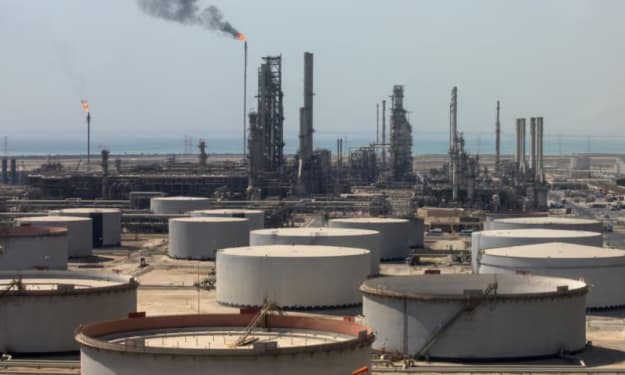
A groundbreaking new study has revealed that 32 fossil fuel companies are responsible for half of global carbon dioxide emissions since the industrial era began. The findings highlight the outsized influence of major oil, gas, and coal producers on climate change, and raise urgent questions about accountability, regulation, and the transition to cleaner energy.
By Aarif Lashari7 days ago in Earth
“Do Not Copy This Site’s Content”: Why Originality Matters More Than Ever in the Digital Age
“Do not copy this site’s content.” It’s a warning most internet users have seen countless times, often at the bottom of webpages or buried in terms and conditions. Many scroll past it without a second thought. But in today’s digital world, that simple sentence carries far more weight than people realize.
By Muhammad Hassan4 days ago in Earth


Comments
There are no comments for this story
Be the first to respond and start the conversation.