
Poveglia Island: HAUNTED History of Italy’s Creepiest Getaway
If there’s a place that screams “Do not disturb,” it’s Poveglia Island.

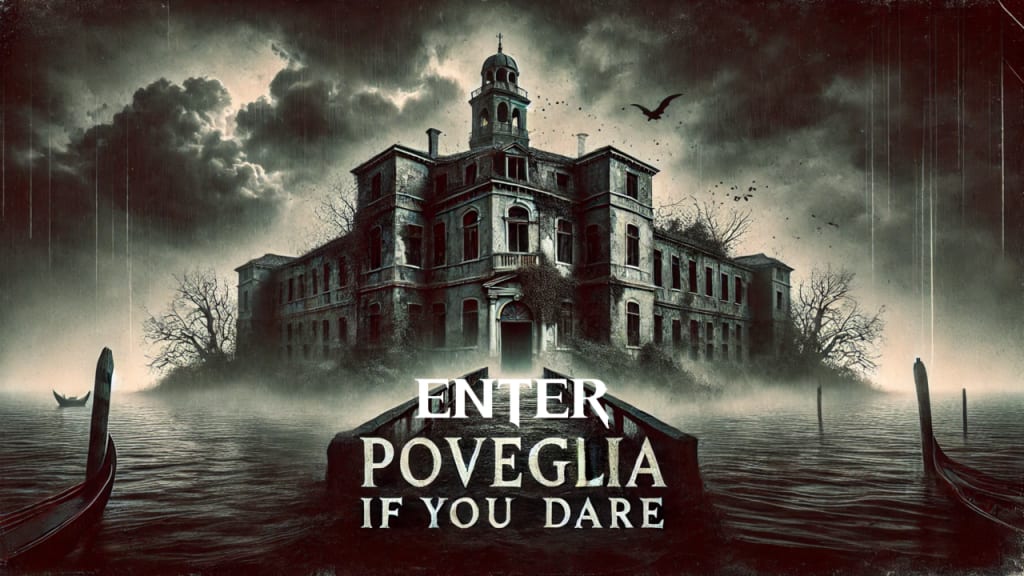
If there’s a place that screams “Do not disturb,” it’s Poveglia Island. Nestled in the Venetian Lagoon, this seemingly idyllic spot is one of the most haunted places on Earth—or at least that’s what every ghost-hunting show claims. But don’t let the stunning views of Venice fool you; this isn’t a dreamy retreat for sipping espresso by the water. It’s more like a paranormal buffet, where the ghosts of plague victims, tormented asylum patients, and who-knows-what-else have allegedly decided to hang out for eternity.
From its dark history to its reputation as the “Island of No Return,” Poveglia is the stuff of nightmares, urban legends, and questionable travel itineraries.
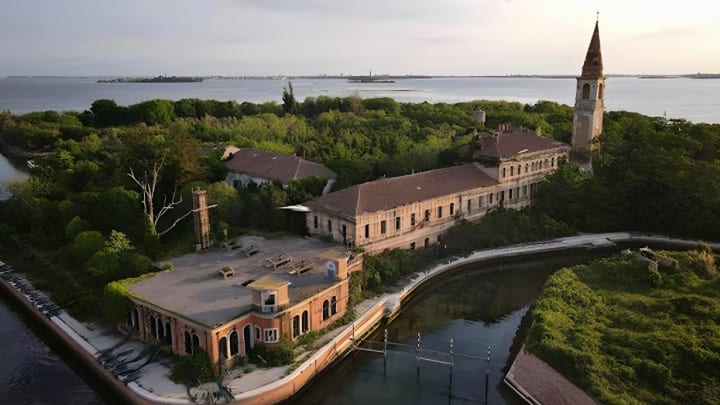
Poveglia’s Early Days: A Peaceful Start
Believe it or not, Poveglia wasn’t always a ghost town. In fact, its history began on a surprisingly mundane note. The island was first settled in the 5th century by people fleeing barbarian invasions on the mainland. For centuries, it was a quiet little community, known for fishing, farming, and, well, existing.
By the 14th century, though, the tides began to turn—literally and metaphorically. The Venetians, in their infinite wisdom, decided Poveglia was better suited as a military outpost. Soon, the island was fortified and transformed into a strategic checkpoint, complete with fortifications and lookouts.
But military glory wasn’t in Poveglia’s future. Its most infamous chapter was just around the corner.
The Black Death: When Things Took a Dark Turn
When the Black Death swept through Europe in the 14th century, Venice was hit hard. And what do you do when you’re dealing with a plague? If you’re medieval Venetians, you isolate the sick on an island and hope for the best—or in this case, the worst.
Poveglia became a quarantine station for plague victims, a one-way ticket to a grim fate. The dying were sent here in droves, often dragged from their homes or off the streets. In some cases, entire families were shipped off to the island to prevent the spread of disease.
And when we say “quarantine,” we mean more of a medieval “out of sight, out of mind” approach. Bodies were burned in massive pyres, and it’s said that up to 50% of the island’s soil is now human ash. Think about that the next time you’re potting your houseplants.
A New Era: From Quarantine to Insanity
By the late 18th century, the plague was (mostly) a thing of the past, but Poveglia’s dark reputation lingered. So, naturally, someone thought it would be a great idea to turn the island into a mental asylum.
The asylum opened in 1922, and if you think early 20th-century mental health care was questionable, you’re absolutely right. Patients were reportedly subjected to inhumane treatments, including experimental procedures that sound straight out of a horror movie.
Legend has it that a particularly sadistic doctor ran the show, performing lobotomies with crude tools and a complete lack of ethics. According to local lore, the doctor eventually went mad himself, tormented by the spirits of his victims. In a final twist of irony, he threw himself from the asylum’s bell tower—only to survive the fall and die later under mysterious circumstances.
Abandoned and Forgotten
Overnight on the World's Most Haunted Island
By the mid-20th century, the asylum closed its doors, and Poveglia was left to rot. The island became a no-go zone, its buildings crumbling under the weight of time and its haunted reputation.
Locals have long avoided Poveglia, believing it to be cursed. Fishermen won’t even cast their nets near the island, fearing they might dredge up something they’d rather not see. And who can blame them? Between the plague pits and asylum ghosts, it’s basically a paranormal hotspot with a side of trauma.
Modern-Day Poveglia: Ghost-Hunter Paradise
Today, Poveglia is officially off-limits, though that hasn’t stopped thrill-seekers from sneaking in. Paranormal investigators, amateur ghost hunters, and daredevil urban explorers have all tried their luck—and many claim to have experienced strange phenomena.
Disembodied voices, sudden cold spots, and eerie shadows are par for the course, according to those brave (or foolish) enough to visit. Some even report being physically touched or hearing faint screams echoing through the decaying asylum halls.
Even for skeptics, the island’s atmosphere is undeniably unsettling. The overgrown buildings, weathered gravestones, and lingering sense of despair make it a chilling reminder of its grim past.
Poveglia’s Future: A Haunted Real Estate Opportunity
Believe it or not, Poveglia has been up for grabs several times. In 2014, the Italian government tried to auction off a 99-year lease, hoping someone would develop the island into a tourist attraction. Spoiler alert: no one took the bait.
Why? Probably because renovating a haunted island riddled with human ash and ghost stories isn’t exactly the dream investment. Plus, there’s that pesky “cursed land” thing to consider.
For now, Poveglia remains abandoned, a chilling relic of Venice’s darker history.
Final Thoughts: Enter If You Dare
Poveglia Island isn’t just haunted—it’s haunted haunted. Its ghostly reputation, combined with its dark history, makes it one of the most infamous locations in the world. Whether you believe in ghosts or not, there’s no denying the unsettling aura that surrounds this Venetian deathtrap.
So, would you visit? Maybe pack some sage, a flashlight, and a good excuse to leave in a hurry. Just don’t forget to say “ciao” to the ghosts on your way out. Who knows? They might appreciate the company.
About the Creator
Keep reading
More stories from Marveline Merab and writers in Earth and other communities.
Centralia, Pennsylvania: The Coal Fire That Turned a Town Into a Ghost Story
Imagine a ghost town where the ground hisses and spits out smoke, the air smells of sulfur, and ghostly silence hangs heavy—no, it's not the latest horror flick set. Welcome to Centralia, Pennsylvania, a real-life ghost town consumed by an eternal underground coal fire. This inferno has been raging beneath the surface since 1962, transforming the once-bustling mining town into a surreal, apocalyptic landscape that feels like Mother Nature’s own version of a horror story.
By Marveline Merababout a year ago in Earth
Trump Promised to Cut Energy Bills in Half. One Year Later, Has He Delivered?
One year ago, former President Donald Trump made headlines with a bold promise: he would slash Americans’ energy bills by 50%. The pledge was ambitious, aiming to address the dual challenges of rising utility costs and economic strain on households. As energy prices have continued to fluctuate over the past year, the question on everyone’s mind is simple: has Trump delivered on his promise?
By Muhammad Hassanabout 8 hours ago in Earth
Old Red Cedar
Western red cedar, over 1000 years old, you grew for 200 years and towered over others, silently observing sights in the forest that are no more, your secrets buried within your spirit. The bark covering your tree trunk, said to be about 23 feet around, was hollow when men discovered you. Inside the hollow trunk, a fire somehow began; you cannot tell us when, how, or why, and there is no record of it. The fire caused your death. Slowly, you died, from the inside out. Such a sad loss for an old soul of the forest, with centuries of knowledge in its cells. Houses, watercraft, shingles, bowls, bows and arrows, and paper that men used to write what they knew of your history could have been made from your body, branches, and bark. Truly, fire was a better death for you than a logger’s saw.
By Andrea Corwin about an hour ago in Earth


Comments
There are no comments for this story
Be the first to respond and start the conversation.