
Post-Diwali Pollution: How North Indians Can Take Guard Lung Cancer
Diwali's festive air can turn toxic. Learn how North Indians can safeguard their lungs from pollution-induced cancer post-Diwali.

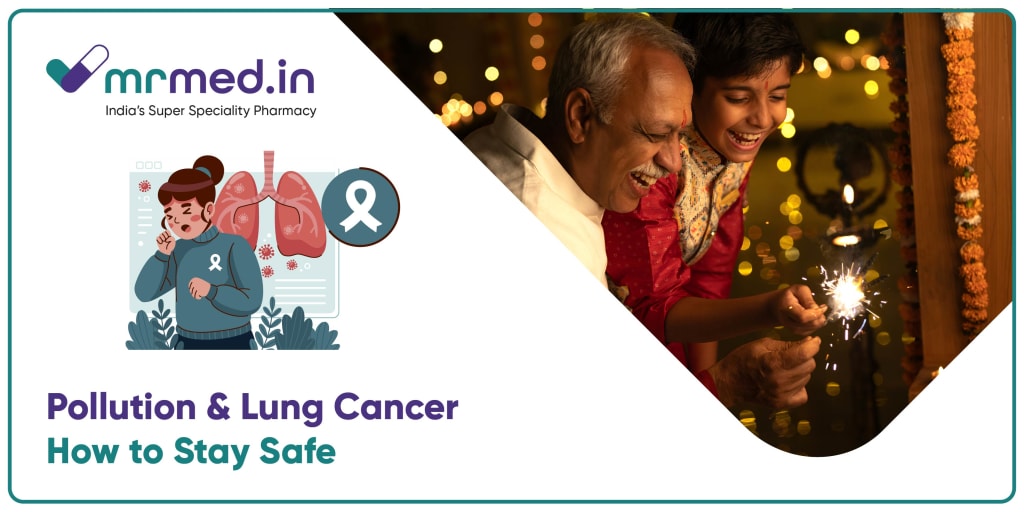
Diwali, the festival of lights, brings joy and celebration to millions, but it also leaves behind a dangerous legacy: pollution. The air quality in North India takes a significant hit post-Diwali due to firecracker smoke, stubble burning, and seasonal weather conditions. This smog-filled period poses severe risks to lung health, increasing the chances of respiratory conditions like asthma, COPD, and even lung cancer. Protecting your lungs during this time isn’t just an option—it’s essential. Let’s explore effective strategies to safeguard your respiratory health and raise lung cancer awareness for a healthier tomorrow.
Why Is Post-Diwali Pollution So Harmful to Lungs?
The air pollution spike after Diwali is caused by a mix of firecracker residue, crop-burning smoke, and stagnant air during colder months. This dangerous combination leads to the accumulation of particulate matter (PM2.5 and PM10) and toxic gases like carbon monoxide and sulfur dioxide. These pollutants enter the lungs and cause inflammation, reduced oxygen exchange, and long-term damage.
Moreover, the smog worsens pre-existing conditions like asthma and COPD (Chronic Obstructive Pulmonary Disease). For those exposed to such pollution annually, the cumulative effect increases the risk of lung cancer.
What Are the Early Signs of Lung Damage Due to Pollution?
Protecting your lungs starts with recognising the symptoms of respiratory stress. Some common early signs include:
- Persistent coughing or wheezing
- Breathlessness, especially after mild activity
- Chest tightness or recurring respiratory infections
- Fatigue and difficulty concentrating due to low oxygen levels
If these symptoms persist, consult a doctor promptly. Early intervention is vital in preventing chronic conditions or severe complications like cancer.
How Can You Safeguard Your Lungs During Post-Diwali Pollution?
Taking proactive measures can significantly reduce the harmful impact of pollution on your lungs. Here’s a guide to staying safe:
1. Limit Outdoor Exposure
Air quality is at its worst in the days following Diwali, especially in the morning and evening.
Stay indoors as much as possible, particularly during peak pollution hours.
If outdoor activities are unavoidable, wear a high-quality mask like an N95 or N99, which can filter out fine particulate matter.
2. Invest in Air Purifiers
Indoor air quality also deteriorates during this period.
Use air purifiers with HEPA filters to keep your home pollution-free.
Consider adding indoor plants like peace lilies or spider plants, which are known to improve air quality.
3. Strengthen Your Lungs with Breathing Exercises
Yoga and pranayama are excellent ways to enhance lung capacity and resilience.
Practice breathing techniques like Kapalabhati and Anulom Vilom to cleanse and strengthen your lungs.
Even 15 minutes a day can make a noticeable difference in your lung health.
4. Follow a Lung-Friendly Diet
What you eat can play a significant role in protecting your respiratory system.
Add foods rich in antioxidants like green tea, turmeric, and ginger to combat inflammation.
Include vitamin C sources such as oranges, lemons, and broccoli to boost immunity.
Omega-3 fatty acids found in walnuts and flaxseeds can reduce airway inflammation.
5. Stay Hydrated
Drinking plenty of water helps flush out toxins from your system. Warm water with honey or herbal teas can be particularly soothing for the respiratory tract.
What Are the Long-Term Risks of Ignoring Post-Diwali Pollution?
Prolonged exposure to air pollution without adequate precautions can lead to chronic respiratory issues, including asthma, bronchitis, and COPD. Worse, it increases the risk of lung cancer due to the continuous inhalation of carcinogenic particles.
How Can Awareness Campaigns Help Combat Lung Diseases?
Spreading lung cancer awareness is crucial, especially in pollution-prone regions. Initiatives that educate people about the risks of poor air quality, early detection, and preventive measures can save lives. Public health policies must also focus on stricter regulations against firecrackers and stubble burning to curb pollution at its source.
Practical Tips for Families and Communities
Encourage eco-friendly Diwali celebrations with fewer or no firecrackers.
Participate in community efforts to raise awareness about pollution and its health risks.
Push for cleaner energy sources and sustainable farming practices to address the root causes of seasonal pollution.
What Role Does Regular Health Screening Play in Prevention?
Routine check-ups and lung function tests are critical, especially for those living in high-pollution areas. Early detection can help diagnose conditions like asthma, COPD, or even early-stage lung cancer. Ask your doctor about advanced diagnostics and treatments, including options like Opdyta 40mg Injection containing Nivolumab, if necessary.
Remember, your lungs work tirelessly for you—this season, take every measure to safeguard them for a healthier and brighter future.
About the Creator
Healthcare Tips From MrMed
If you are interested in reading various healthcare blogs written by professional medical experts, be sure to follow our MrMed Blog section.
https://www.mrmed.in/health-library/
Keep reading
More stories from Healthcare Tips From MrMed and writers in Earth and other communities.
How to Manage Anemia Before and During Your IVF Journey
When it comes to IVF, every small detail matters. From hormone levels to lifestyle changes, it's all part of the process. But what often gets overlooked is anaemia—specifically anaemia iron deficiency—which can make or break your journey.
By Healthcare Tips From MrMedabout a year ago in Lifehack


Comments
There are no comments for this story
Be the first to respond and start the conversation.