
Post-Disposable Vape Ban in the UK: Absence of Refills Raises Greenwashing Concerns
Market gaps risk undermining the ban’s sustainability aims
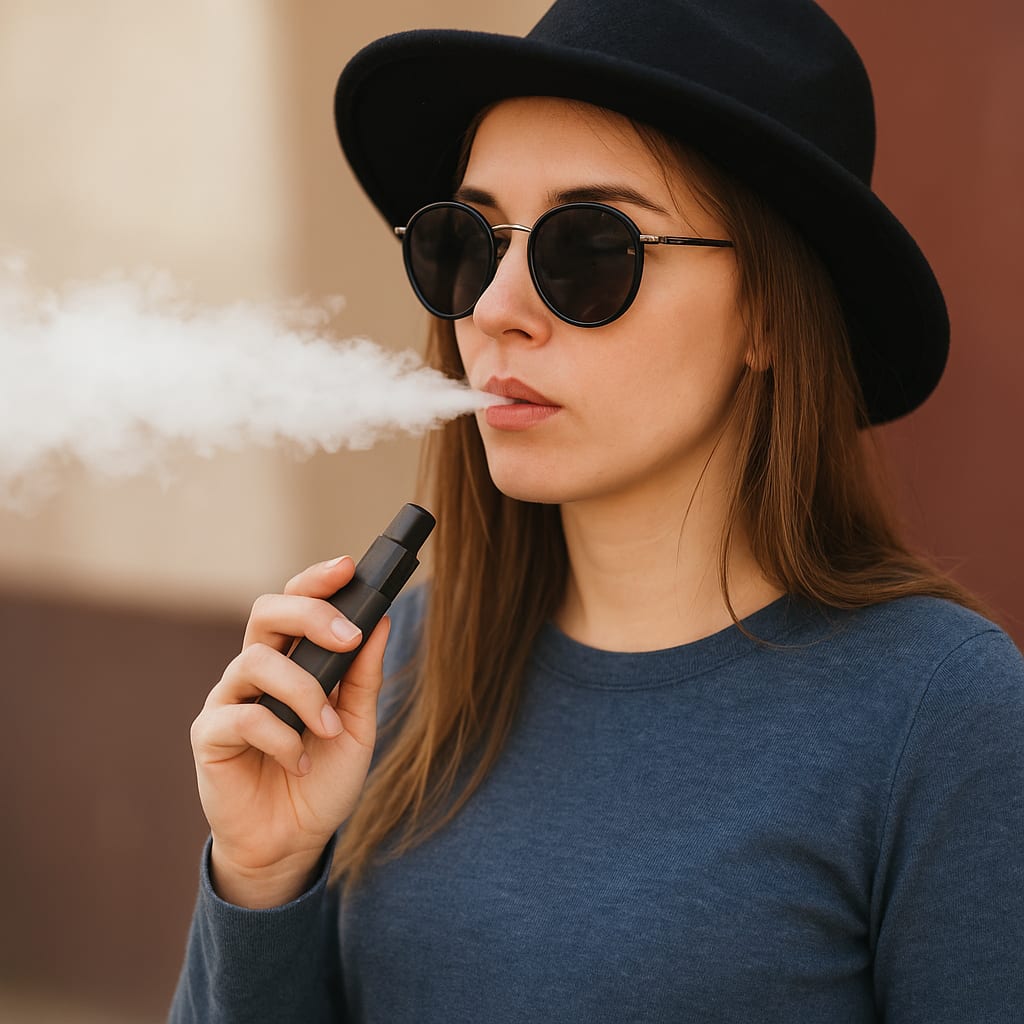
The UK’s long-awaited ban on disposable vapes came into force in July of this year with the intention of tackling plastic pollution and cutting electronic waste. The measure followed mounting evidence that millions of single-use devices were being discarded every week, prompting calls for more sustainable alternatives.
Five months since the ban took effect and questions are being asked about whether the policy is achieving its aims. Despite positive signs of reusable products being used as intended (with a UK vaping trade association saying its members are seeing sales of refills outselling devices), critics have voiced scepticism. This includes retailers who have voiced frustration about the seeming lack of refill availability to support some rechargeable devices.
While there are brands urging retailers to stock refills, it is concerning that the likes of SKE, the UK’s top-selling vape brand in 2024, has a flagship reusable device but provides no visible information about refill availability on its website.
This may explain why SKE BAR appears to be absent from the UK’s largest supermarkets, with availability instead focused on small bricks-and-mortar shops and convenience stores, where oversight and scrutiny tend to be less intense. Adoption of a distribution pattern of this nature means sales can be maintained while limiting exposure to the heightened accountability standards applied to large, national retailers.
For a reusable product presented as a flagship device in a post-disposable market, the absence of clear information on refill availability, combined with eco-friendly claims, makes its effectiveness in supporting the sustainability goals of the disposable vape ban questionable at best. While many environmental advocates would likely label it as greenwashing.
How a market leader behaves can carry significant weight. Without the wide availability of refills, a reusable device is reusable in name only. In addition to undermining policy efforts, it has the potential danger of sending a message to other manufacturers that environmental commitments can be evaded without consequence.
It also means consumers are left to either unwittingly or unwillingly treat these devices as disposables, defeating the purpose of the ban and continuing to add to the waste problem it aimed to solve.
The situation exposes a broader challenge for regulators and raises questions about the practical enforcement of regulatory measures. Any products that take advantage of regulatory loopholes by qualifying as refillable under the rules, but without accessible refills, subvert the rationale of the ban. The result is that regulators are put in an impossible bind; a product technically complies yet defies the law’s underlying aim and its environmental objectives.
When reusable devices are able to bypass environmental goals without consequence, it highlights the need for regulatory loopholes to be closed. This is to ensure reusable vapes are genuinely designed and supported with practical refill options that allow consumers to reuse them. Enforcement must look beyond the label and into how a product is used in the real world, assessing whether it truly aligns with the purposes of sustainability and waste reduction.
A case like this casts serious doubts over the effectiveness of the disposable vape ban. If a market-leading brand can launch a product that skirts both the spirit and intention of the new rules, it discredits the foundation of the legislation and sets a dangerous precedent for others to follow.
For policymakers, the lesson is clear. Robust oversight and clearer definitions of what constitutes a reusable device is necessary to make sure they are not treated as disposables and environmental benefits are achieved as intended.
Unless refills are accessible, visible, and easy for consumers to buy, the promise of a more environmentally conscious and responsible vaping market will remain unfulfilled.
About the Creator
Keep reading
More stories from writers in Earth and other communities.
Scientists Turn Undersea Cables into Microphones to Track Orcas
For more than a century, undersea fiber-optic cables have quietly crisscrossed the world’s oceans, carrying phone calls, internet data, and financial transactions between continents. Lying on the seafloor, these cables form the invisible backbone of global communication. Recently, however, scientists have discovered an unexpected second life for this infrastructure: turning undersea cables into vast networks of microphones capable of listening to the ocean itself. Using this innovative technique, researchers are now able to detect and track marine life including orcas, also known as killer whales over enormous distances. This breakthrough is transforming marine biology, oceanography, and conservation science.
By Omoogun oluwaseun mercya day ago in Earth
Instructions Included Challenge Winners
For the Instructions Included challenge, we asked writers to tell a story through instructions and to trust the form to carry what could not be said outright. Across the top entries, that trust paid off in many different ways.
By Vocal Curation Teama day ago in Resources



Comments