
Pope Francis: A Modern Shepherd of the Catholic Church
A Humble Leader Transforming the Catholic Church Through Compassion, Reform, and Global Dialogue.

Pope Francis has emerged as one of the most influential and transformative leaders in the Catholic Church's history since his election in March 2013. Jorge Mario Bergoglio is the first pope from the Americas, the first Jesuit pope, and the first non-European to lead the Church in more than a millennium. He was born in Buenos Aires, Argentina. His papacy has been marked by a deep emphasis on humility, social justice, environmental stewardship, and a more inclusive approach to Church teachings.
Childhood and the Way to the Papacy On December 17, 1936, Pope Francis was born in Argentina to Italian immigrants. He studied chemistry and worked as a technician before becoming a priest. In 1958, he became a Jesuit and joined the Society of Jesus. In 1969, he was ordained a priest, and in 1998, he became Archbishop of Buenos Aires. He chose to live in a small apartment rather than the archbishop's palace and frequently took public transportation, which is known for its simplicity. Many were surprised when he was chosen as pope on March 13, 2013. In honor of St. Francis, he chose the name Francis upon his election. indicating a papacy based on humility, concern for the less fortunate, and devotion to creation, Francis of Assisi. A Church of Mercy and Reform In many ways, Pope Francis has been a reformer. He emphasized service to the underprivileged and called for a "poor Church for the poor" from the beginning of his papacy. His teachings have often challenged the Church to become less rigid and more compassionate.
He has advocated for decentralization, transparency, and accountability in Church governance matters. He reorganized the financial systems of the Vatican to combat mismanagement and corruption. Additionally, he has promoted a synodal style of leadership, encouraging dialogue and consultation with bishops around the world.
Encyclicals and Essential Teachings During his time as Pope, Francis has written a number of important documents. Among them are: Evangelii Gaudium (2013) – A call to renew the Church’s mission of evangelization with joy and compassion.
Laudato Si' (2015) – A groundbreaking encyclical on the environment and climate change, urging global action to protect the planet.
Fratelli Tutti (2020) is a reflection on social friendship and fraternity that focuses on unity, peace, and solidarity across religions and cultures. Controversies and Criticisms
Despite widespread popularity, Pope Francis has faced criticism from both conservative and liberal factions within the Church. His more permissive stance on topics like homosexuality, divorce, and interfaith dialogue has alarmed conservatives. Progressives, meanwhile, often push him to go further in reforming Church doctrine and roles for women.
He has also faced scrutiny over the Church’s handling of sexual abuse scandals, with some saying he has not moved fast enough to address systemic problems, although he has taken steps to strengthen accountability and victim support.
Legacy and Global Impact
Pope Francis has redefined what it means to be a global religious leader in the 21st century. People of all faiths and backgrounds have appreciated his emphasis on compassion, dialogue, and concern for the environment. Utilizing his platform to call for action on pressing global issues such as inequality, war, and environmental degradation, he has been an advocate for migrants, the poor, and the voiceless. Pope Francis is still a symbol of hope and renewal as he continues his mission. He is leading the Catholic Church through a time of great change with a message rooted in love, service, and humanity. Please let me know if you would like this formatted for printing as a PDF, paired with images, or both! Search
Reason
Pope Francis: A Modern Shepherd of the Catholic Church
Introduction
Pope Francis has emerged as one of the most influential and transformative leaders in the Catholic Church's history since his election in March 2013. Jorge Mario Bergoglio is the first pope from the Americas, the first Jesuit pope, and the first non-European to lead the Church in more than a millennium. He was born in Buenos Aires, Argentina. His papacy has been marked by a deep emphasis on humility, social justice, environmental stewardship, and a more inclusive approach to Church teachings.
Early Life and Path to the Papacy
Pope Francis was born on December 17, 1936, to Italian immigrants in Argentina. Before entering the priesthood, he studied chemistry and worked as a technician. He joined the Society of Jesus (Jesuits) in 1958, was ordained a priest in 1969, and later became Archbishop of Buenos Aires in 1998. Known for his simple lifestyle, he chose to live in a small apartment rather than the archbishop’s palace and frequently used public transportation.
His election as pope on March 13, 2013, surprised many. Upon his election, he chose the name Francis in honor of St. Francis of Assisi, signaling a papacy focused on humility, care for the poor, and love for creation.
A Church of Mercy and Reform Pope Francis has been a reformer in many ways. He emphasized service to the underprivileged and called for a "poor Church for the poor" from the beginning of his papacy. The Church has frequently been challenged by his teachings to become more compassionate and less rigid. He has advocated for decentralization, transparency, and accountability in Church governance matters. He restructured the Vatican’s financial systems to combat corruption and mismanagement. Additionally, he has promoted a synodal style of leadership, encouraging dialogue and consultation with bishops around the world.
Key Teachings and Encyclicals
During his time as Pope, Francis has written a number of important documents. Among them:
A call to rekindle the Church's mission of evangelization with joy and compassion in Evangelii Gaudium (2013). Laudato Si' (2015) – A groundbreaking encyclical on the environment and climate change, urging global action to protect the planet.
Fratelli Tutti (2020) is a reflection on social friendship and fraternity that focuses on unity, peace, and solidarity across religions and cultures. Criticisms and Disagreements Despite widespread popularity, Pope Francis has faced criticism from both conservative and liberal factions within the Church. Conservatives have voiced concern over his more lenient stance on issues such as divorce, homosexuality, and interfaith dialogue. In contrast, progressives frequently press him to go further in reforming Church doctrine and gender roles. He has also faced scrutiny over the Church’s handling of sexual abuse scandals, with some saying he has not moved fast enough to address systemic problems, although he has taken steps to strengthen accountability and victim support.
Impact on the World and Legacy Pope Francis has redefined what it means to be a global religious leader in the 21st century. His emphasis on compassion, dialogue, and care for creation has resonated not only with Catholics but with people of all faiths and backgrounds. Utilizing his platform to call for action on pressing global issues such as inequality, war, and environmental degradation, he has been an advocate for migrants, the poor, and the voiceless. As he continues his mission, Pope Francis remains a symbol of hope and renewal, guiding the Catholic Church through an era of great change with a message rooted in love, service, and humanity.
About the Creator
Keep reading
More stories from Imtiaz hossain Yamin and writers in Earth and other communities.
The Untold Story of Franklin Book Dhaka: In the Shadow of the Cold War
A neglected section of postcolonial South Asia's cultural diplomacy In the 1960s and 1970s, a cultural front of the Cold War was being fought in the quiet streets of Dhaka with books, ideas, and influence rather than weapons. The Franklin Book Program was a modest but potent institution at the center of this conflict. Book Programs on Franklin's Birth The Franklin Book Program, founded in the United States in 1952, was an ambitious Cold War-era cultural initiative. What is its objective? to support educational publishing in the Global South and translate American texts into local languages in order to spread American values and ideas through books. Funded indirectly through U.S. government aid agencies and private foundations, it operated in over 30 countries, from Egypt to Indonesia.
By Imtiaz hossain Yamin9 months ago in Education
Robert Redford Remembered for His Mentorship of New Filmmakers at Sundance Gala
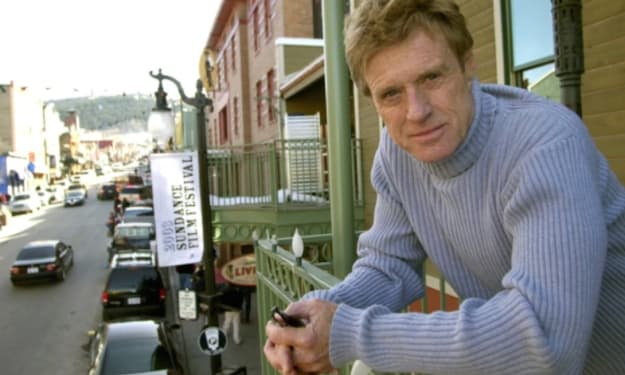
At this year’s Sundance Film Festival gala, the spotlight turned to Robert Redford, not only as a legendary actor and filmmaker but as a mentor who nurtured countless emerging talents. Attendees, including directors, producers, and actors, shared heartfelt stories about how Redford’s guidance transformed their careers and inspired a new generation of filmmakers. A Legacy Beyond Acting Robert Redford’s career in Hollywood spanned decades, with iconic roles in films like Butch Cassidy and the Sundance Kid, All the President’s Men, and The Sting. However, his impact extends far beyond the screen. As the founder of the Sundance Institute, Redford created a platform that championed independent voices, giving filmmakers the opportunity to explore creative freedom without the constraints of major studios. At the gala, festival director Tabitha Jackson remarked, “Redford didn’t just make films; he made futures. He believed in new voices long before they had a platform.” This sentiment resonated with many in attendance who credited their breakthroughs to Redford’s mentorship. Mentorship Through the Sundance Institute Founded in 1981, the Sundance Institute was born out of Redford’s vision to support independent filmmaking. Over the years, the institute has: Offered labs, workshops, and grants to new filmmakers. Provided mentorship from established directors and industry professionals. Created a global platform for storytelling through the Sundance Film Festival, now recognized as one of the premier venues for independent cinema. Several filmmakers who attended the gala recounted how Redford personally encouraged them to take creative risks, even when their ideas seemed unconventional. His approach emphasized storytelling authenticity over commercial considerations, a principle that has influenced countless careers. Voices From the Gala Emerging filmmakers at the event shared touching memories of Redford’s influence: Director Maya Johnson recalled how Redford reviewed her early short film and offered constructive advice, helping her refine her narrative voice. Producer Alex Chen highlighted Redford’s commitment to inclusive storytelling, encouraging him to amplify underrepresented voices in cinema. Actor Lila Martinez reflected on the actor-director’s ability to instill confidence in new talent, reminding them that their perspective mattered. These personal testimonies painted a portrait of Redford not only as an industry icon but as a guiding presence committed to cultivating the next generation of storytellers. Redford’s Philosophy on Filmmaking Redford often spoke about the importance of creativity, authenticity, and collaboration in filmmaking: Creativity over commerce: He encouraged filmmakers to prioritize artistic integrity. Mentorship as legacy: Redford believed sharing knowledge was key to sustaining the art form. Risk-taking: He frequently reminded young directors that innovation comes from challenging norms and exploring new perspectives. These principles remain at the heart of the Sundance Institute and the broader independent film community. The Global Influence of Sundance Thanks to Redford, Sundance has become a global platform for independent cinema, with programs reaching filmmakers in Europe, Asia, Africa, and Latin America. Through labs, festivals, and initiatives, Redford’s influence extended far beyond the U.S., helping shape a diverse, international community of filmmakers. Sundance alumni have gone on to create films that have won Oscars, Golden Globes, and international awards, underscoring Redford’s impact on the global film industry. Honoring Redford’s Legacy The gala featured a tribute montage highlighting Redford’s contributions as an actor, director, and mentor. Clips included moments of him guiding young filmmakers, presenting awards, and reflecting on his own journey in the industry. Many attendees emphasized that Redford’s greatest legacy may not be his iconic films, but the careers he helped launch. Festival director Jackson noted, “Every filmmaker here carries a piece of Robert’s wisdom. His mentorship continues to ripple through every frame of independent cinema.” Redford and the Future of Independent Filmmaking As the independent film landscape evolves—with streaming platforms, AI tools, and global collaboration becoming more prevalent—the foundations laid by Redford and Sundance remain vital. His mentorship model demonstrates that investing in people and ideas creates lasting cultural impact, ensuring that independent voices continue to thrive. Emerging filmmaker Jordan Reyes commented, “Redford taught me that every story has value. That lesson shapes how I create and support others in my community today.” Personal Reflections and Anecdotes Many festival attendees shared anecdotes reflecting Redford’s humility, approachability, and passion for storytelling: Despite his fame, he would sit in small discussion circles with young filmmakers, offering advice and encouragement. He often hosted informal gatherings at his homes or lodges, creating spaces where filmmakers could network, learn, and experiment. His presence at Sundance was consistently an inspiration to those navigating the challenges of independent filmmaking, providing mentorship that was practical, emotional, and motivational. These stories underscored that Redford’s mentorship was not just professional—it was personal and transformative. Final Thoughts Robert Redford’s remembrance at the Sundance gala served as a celebration of mentorship, vision, and the power of independent cinema. Beyond the accolades and cinematic achievements, his enduring legacy lies in the careers he nurtured, the voices he amplified, and the creative risks he inspired. The festival’s message was clear: while Redford may no longer be present in every Sundance discussion, his influence lives on through the filmmakers he mentored, ensuring that independent storytelling continues to thrive, evolve, and inspire future generations. For the community of filmmakers, audiences, and cinema lovers worldwide, Redford’s legacy remains a beacon of mentorship, creativity, and dedication to storytelling.
By Muhammad Hassan6 days ago in Earth



Comments
There are no comments for this story
Be the first to respond and start the conversation.