
Pollution Due To Urbanisation
Understanding the Causes and Consequences of Environmental Degradation in Cities.

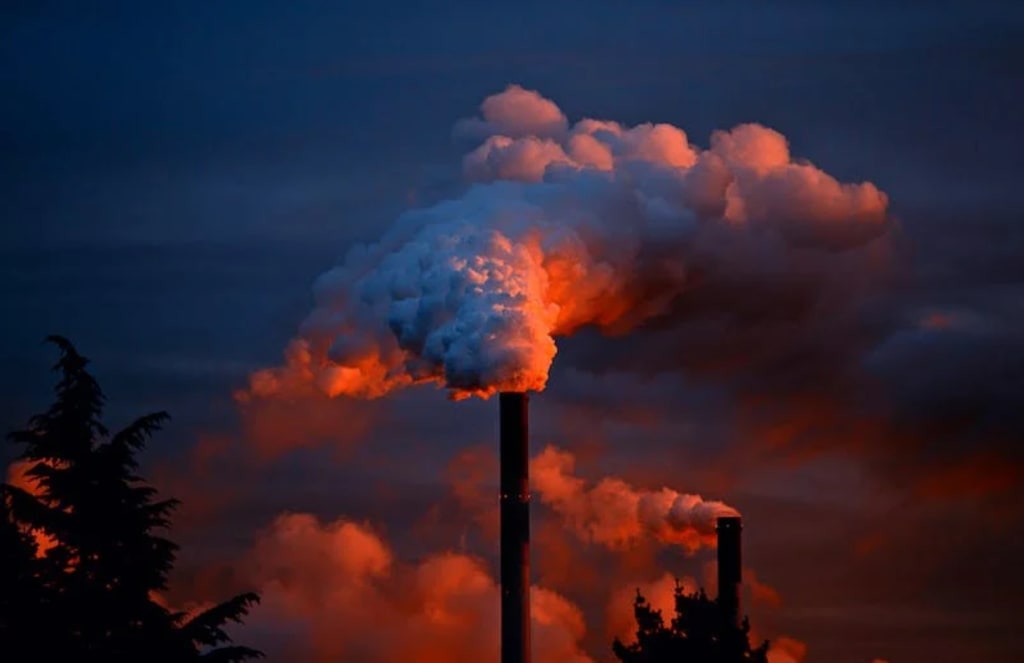
Pollution due to urbanisation is a growing concern in many cities around the world. As more people move into cities, the demand for resources such as electricity, water, and transportation increases, leading to higher levels of pollution. This pollution can have serious health consequences for people living in these areas, and can also harm the environment. It is important for cities to take steps to reduce pollution and promote sustainable development.
Some of the most common types of pollution associated with urbanisation include air pollution, water pollution, and noise pollution. Air pollution can be caused by emissions from vehicles, factories, and power plants, while water pollution can be caused by runoff from roads and buildings. Noise pollution can be caused by traffic, construction, and other urban activities. These types of pollution can have a range of negative impacts on human health, including respiratory problems, heart disease, and cancer. In addition, they can harm wildlife and ecosystems, and contribute to climate change. To address these issues, cities can implement policies such as promoting public transportation, encouraging energy-efficient buildings, and investing in green spaces and renewable energy sources.
Detailed Definition of Pollution
Pollution is the presence or introduction into the environment of harmful substances or contaminants that cause negative effects on the natural world or living organisms. Pollution can take many forms, such as air pollution, water pollution, soil pollution, and noise pollution. It can be caused by both natural and human factors, such as volcanic eruptions, wildfires, industrial activities, and transportation. The effects of pollution can be far-reaching, including damage to ecosystems, loss of biodiversity, and negative impacts on human health. To address pollution, it’s important to understand its causes and effects, and to take steps to reduce and prevent it. This can involve implementing policies and regulations, developing new technologies, and promoting sustainable practices.
Detailed Definition of Urbanisation
Urbanisation refers to the process of people moving from rural areas to urban areas, resulting in the growth and development of cities and towns. Urbanisation is often associated with industrialisation and economic development, as urban areas tend to offer more job opportunities and access to resources and services. The growth of cities can have both positive and negative effects, such as increased economic activity, improved access to education and healthcare, and higher levels of pollution and congestion. Urbanisation can also have social and cultural impacts, as people from different backgrounds and regions come together in cities and form new communities. To manage the impacts of urbanisation, it’s important for cities to plan and implement sustainable development strategies that balance economic growth with environmental protection and social equity.
Pollution Future Impact On Urbanisation
Pollution is likely to continue to be a major concern for urbanisation in the future. As cities grow and become more densely populated, the demand for resources and energy will increase, leading to higher levels of pollution. This pollution can have negative impacts on the health and well-being of people living in these areas, and can also harm the environment and natural resources. To address these issues, cites will need to take steps to reduce pollution and promote sustainable development, such as investing in renewable energy sources, implementing policies to reduce emissions from transportation and industry, and promoting green spaces and public transportation. By taking action to address pollution, cities can help to create healthier and more livable environments for their residents, while also promoting economic growth and prosperity.
Economic Prosperity
Economic prosperity is a state of economic well-being in which individuals and communities have access to the resources and opportunities they need to succeed and thrive in a social cohesion.
About the Creator
G.A.L. Grace
I began writing at 12, but struggled to gain positive results from my work. I joined vocal with the hope that my writing may mean something to at least one person. My greatest ambition is to become an author; to educate and please others.
Keep reading
More stories from G.A.L. Grace and writers in Earth and other communities.
Feminism and Power in The Handmaid’s Tale
The Handmaid’s Tale is a dystopian novel set decades in the future. Author Margaret Atwood utilises the roles of Offred’s mother and best friend Moira to represent feminism and the effect of power. These figures are crucial because they teach a modern audience the value of rebelling against injustice. The motif of power is significant in the characters of Moira, and Offred’s mother.
By G.A.L. Grace3 years ago in Education
Scientists Probe How Long-Term Spaceflight Alters Immunity
On Earth, a human body with a properly functioning immune system will work to overcome an infection. But in space, that same immune system will have to work a bit harder to overcome the same infection. In the isolated environment of the International Space Station, many factors — physiological stress, disrupted circadian rhythms, radiation, microgravity, and other spaceflight factors — can alter an astronaut’s immune response.
By Voice of Reality6 days ago in Earth
Review of 'Man on the Run'
My wife and I saw Man on the Run, a nearly 2-hour documentary on Amazon Prime, about Wings, Paul McCartney's group that flew around the world from shortly after The Beatles broke up in early 1970 to shortly after John Lennon was murdered at the end of 1980, making a Beatles reunion forever impossible.
By Paul Levinson5 days ago in Beat




Comments
There are no comments for this story
Be the first to respond and start the conversation.