
Plastic stupidity is killing our oceans
We owe the world's wildlife much more than it is getting from us at present

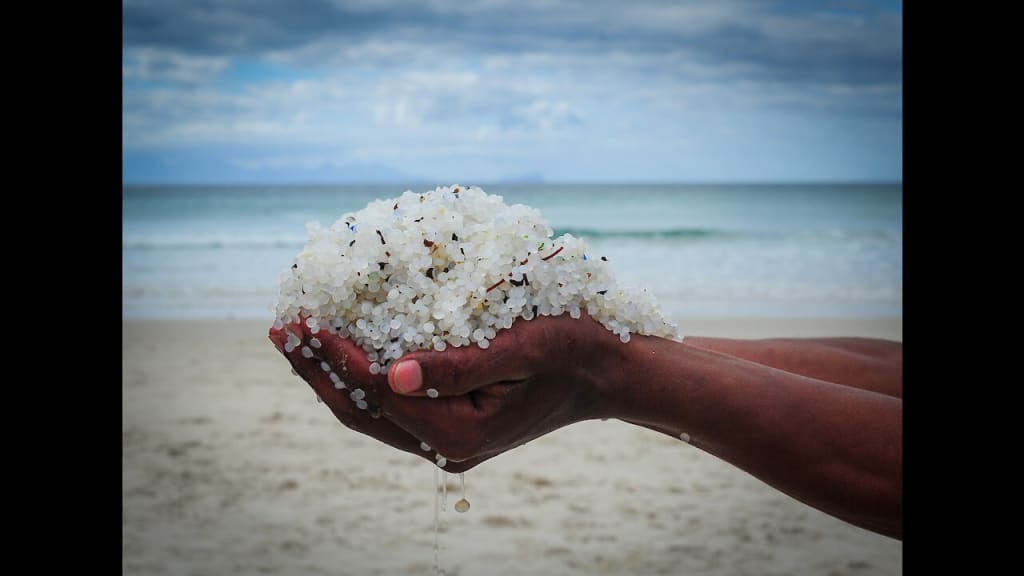
Plastic is a killer when we throw it away and it ends up in the sea. Our carelessness and stupidity are responsible for the destruction of oceanic wildlife on a massive scale.
Plastic stupidity
We humans are unbelievably stupid. We have invented a substance that is so cheap to make that it can be used for all sorts of throwaway products, such as packaging for other products, and yet when we do throw it away it won’t just disappear, like natural dead things do, but hangs around for decades.
The substance in question, as you’ve probably worked out, is plastic.
When it gets into the sea, as vast quantities of it do, it degrades extremely slowly, and this degradation takes the form of breaking down into smaller and smaller pieces. The very tiny pieces are known as “nurdles” (or sometimes “mermaids’ tears”).
Nurdles also reach the oceans in their original form, because many plastic products are made from pellets - sometimes created as part of the recycling process. Accidental spills during transport or manufacture can find their way into the sea.
Another source of microplastic pellets is in manufactured products such as toothpastes and cosmetics. These get washed down the drain after use and can often end up in the ocean.
Did you know these facts about plastic?
• Every piece of non-biodegradable plastic ever produced, anywhere, still exists. It may get broken down into very small pieces but it will never disappear completely.
• It has been estimated that more than a million seabirds are killed every year because they ingest plastic fragments that are floating in the sea.
• In 2006 a dead albatross was examined and was found to have a piece of plastic in its stomach that bore a serial number. This number was traced back to a seaplane that had been shot down in 1944!
• Vast quantities of waste plastic are now floating in the Pacific Ocean, in an area twice the size of Texas. It has been named “The Great Pacific Garbage Patch” and it is estimated that it contains 100 million metric tons of plastic. A lot of this waste has been washed into the sea from landfill sites in countries bordering the Pacific Ocean.
• Kamilo Beach in Hawaii is the world’s most polluted beach, being covered in plastic that has washed ashore from the Garbage Patch.
• The world is producing so much plastic, and later throwing it away, that the Garbage Patch gets ten times as big, every three years.

Oceanic garbage patches
Countless billions of plastic nurdles float on the world’s oceans, rotating slowly with the currents that form “gyres” thousands of miles across. There are five such gyres, in the North and South Atlantic, the North and South Pacific, and the Indian Ocean. Plastic and other waste finds its way from all parts of the world to the gyres, and they never leave once they get there.

Damage to wildlife
Plastic waste does immense damage to marine wildlife. A marine organism cannot tell the difference between a nurdle and a fish egg or piece of plankton, but it cannot digest the former and is quite likely to be poisoned by it or have its digestive tract blocked and then starve to death.
Items such as floating plastic bags are often ingested by larger marine animals, with the same horrifying results.
Marine life does not deserve to be slaughtered wholesale because of the carelessness and greed of humanity, but that is precisely what is happening.
What can be done?
It is difficult for people to avoid buying plastic, because so many things are made from it, but we can take steps to minimise its harmful effects. One is to ensure that as much plastic as possible gets recycled rather than ending up as landfill or being dumped at sea. Another is to refuse the offer of a plastic bag when we buy things in shops, especially if the bag is not biodegradable.
It is perfectly possible to make plastic that is biodegradable, and even compostable. Many environmentally-aware food suppliers – such as organic farms – are now only using compostable packaging for their wares, which means that the bags can go on garden compost heaps (or be sent to local authority food waste digesters) along with all the other uncooked bits of their products. It is up to the purchasers of fruit and vegetables to insist on their suppliers following this route – if the consumer’s cash only goes to responsible suppliers, the irresponsible ones will soon be brought into line.
Another source of distress to marine and other wildlife is discarded fishing lines and nets, and the plastic loops that are used to hold sets of four or more drinks cans together. All rubbish should always be disposed of thoughtfully, and one way of doing this is always to cut these loops so that a bird or animal cannot get its head stuck in it and suffer appalling injuries through not being able to release itself.

A little more thought on the part of everyone in the world will not solve the problems we have already set in train, but it might do something to prevent them getting worse.
About the Creator
John Welford
John was a retired librarian, having spent most of his career in academic and industrial libraries.
He wrote on a number of subjects and also wrote stories as a member of the "Hinckley Scribblers".
Unfortunately John died in early July.
Keep reading
More stories from John Welford and writers in Earth and other communities.


Comments
There are no comments for this story
Be the first to respond and start the conversation.