
Pineapple Skins Replace Soap for a Better Future
Using food scrapes is great sustainability
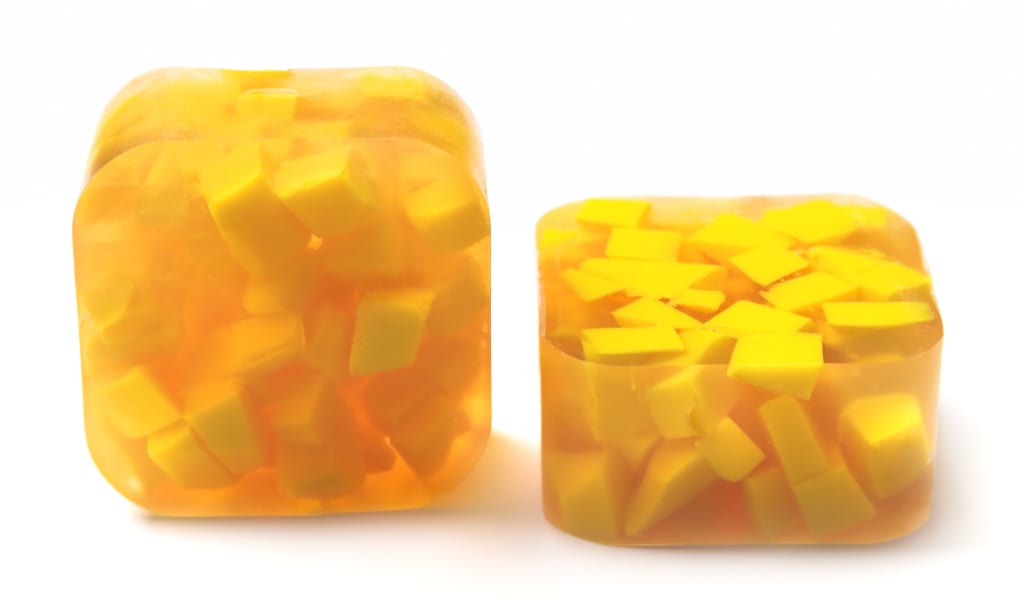
Half of every pineapple you eat ends up in the trash. The skin and core can be composted but in many places they are not. One company turns the leftover fruit into natural soaps and detergents. Founder Huang says they are safe for the planet and people. In fact the soap is so safe that he consumes the stuff daily. Dried fruit is part of a new product, cleaning with enzymes instead of harsh chemicals.
Does it really works? Throughout history, people have washed with all kinds of substances. Everything from animal fat to human urine. In the early 20th century scientists figured out how to make enzymes in the lab using fossil fuels, which paved the way for all kinds of synthetic gels, powders and cleaning agents. Which were all detergents. The problem was that there were things that wastewater factory have not been able to decrease, e.g. Phosphorus and Nitrogen. When those materials flood waterways, they can accelerate algae growth, creating a thick layer of pollution that stifles life beneath. That is exactly what happened in North America in the 1960's. Today, Lake Erie is virtually dead naturally. Bleach pollution has spread across the globe, with rivers swelling and leveling overgrown algae.
Fuwa Biotech claims that fruit cleaners are the next chapter in cleaning products. The name Fuwa comes from the phrase fruit warrior. The company purchases fruit waste from a canned pineapple factory. Workers harvest thousands of them every day. This waste would normally rot in nearby landfills, releasing foul smells and potent planet-warming gases. Workers now load the debris into trucks and drive about two miles to the processing site. Here the team extracts the fruit and washes the skin. Then, the raw materials, sugar and water are mixed, using about two metric tons of sugar per month in the process. Workers add pineapple chunks to the sugar water and wait for the mixture to begin to boil. Fermentation occurs when microorganisms, such as bacteria or yeast, break down smaller particles, such as sugar, into simpler compounds, such as alcohol. Basically the same way to make barley beer and turn grapes into wine.
Fermentation at Fuwa is how waste is converted into alcohol, but the secret isn’t the alcohol, it’s the enzymes and acids released by the pineapple. Enzymes are molecules that catalyze the rapid reaction of food and other chemicals in the human body. Some enzymes can enter cells, break them down, and fight bacteria. This can kill bacteria or just slow them down enough that you may not get sick. But to make those antimicrobial enzymes from plants, you need to heat the right mixture of ingredients at the right time. The workers here stir the mixture every day. Within two months, these small globs appear. That’s how you know it works.
Its founders do not hide any of their methods. Huang says he learned this technique. He is a scientist and Buddhist nun who analyzed the formula and then freely shared it for others to use. The mixture is heated for three months to allow sufficient acid and enzymes to act as cleaners. Now ready to pack. The remaining solids are used as fertilizer for nearby farms, and the remaining water forms the basis for all of Fuwa’s products. The final mix is bottled and delivered to small retailers around Vietnam or to online shoppers in most countries. A bar of soap sells for just over $2. That’s less than the price of similar imports, says Huang. Fuwa uses an on-web page lab to check its products and it tests competitor stuff as well, measuring the ph and testing for other additives. Cleaning with fermented fruit is a reasonably new concept, however there is proof it has a whole lot of potential. Researchers compared a pineapple enzyme aggregate to bleach in water and observed it killed one type of bacteria similarly properly and early studies indicates fruit enzymes would possibly even make wastewater purifier. We realize commonplace chemical cleaners like bleach are superior in killing germs however they also include other dangers.
Huang commenced making fruit cleaners when his spouse, now the organization's CEO, developed eczema. Studies have connected cleaning products to skin irritation and respiration problems- inclusive of asthma. When used and saved well they're secure for most humans, but blending bleach with the wrong cleaners can create lethal gasoline which occurs hundreds of instances a year inside the United States. So can we one day have fermented pineapple as a cleaner in the house? We asked an expert, “You would be surprised. Yes. Absolutely yes”. But he added that we need more research. There's only a certain number of bacteria that have been tested so it's probably got to do a wide range of studies with a wide range of microorganisms to make sure that it's really effective. Enzyme cleaners pose another challenge: shelf life. It would be one of the major issues. At a certain temperature, it can become inactive. Fuwa says its products can last about two years, which is about as long as most chemical cleaning sprays.
Fuva still has more work to do. With so much pineapple processing in the area, the company says there is a lot of waste to work with but mainly the founders want people to know there is a gentler alternative. So they are keen to promote!
About the Creator
Keep reading
More stories from writers in Earth and other communities.
The "Where Do I Put This?" Dilemma: AI Solves Your Plant Placement Problems
You bring home a beautiful new plant, full of hope. You find a spot that looks nice—on a shelf, a side table, in an empty corner. Weeks later, the story tells itself in the leaves: stretching stems, fading color, or crispy edges. The problem is rarely you; it’s almost always the place. "Where do I put this?" is the most fundamental question in plant care, and guessing is the root of most struggles.
By Emma Wallaceabout 15 hours ago in Earth
Broken Penguin
Introduction Penguins are often seen as happy, playful birds living together in cold places. But not all penguins live an easy life. Some are injured, lost, or separated from their families. These are often called broken penguins—not because they are weak, but because they are hurt by nature, climate change, or human actions. Their stories teach us about survival, pain, and hope.
By shaoor afridi2 days ago in Earth



Comments
There are no comments for this story
Be the first to respond and start the conversation.