
Peak Climbing in Nepal: A Thrilling Himalayan Adventure
Overview
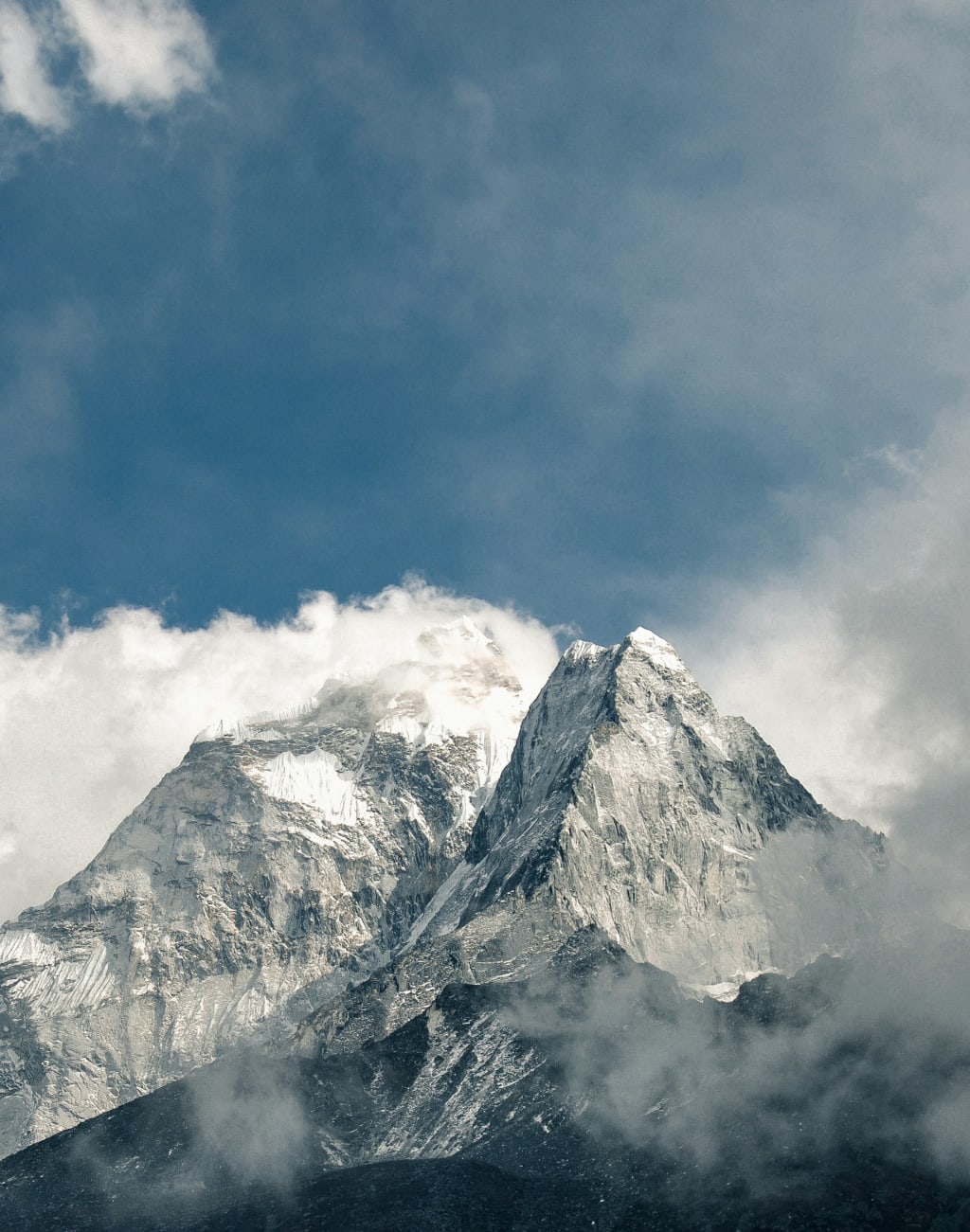
Nepal is a dream destination for mountaineers, offering some of the best peak climbing experiences in the world. From technical ascents to non-technical trekking peaks, Nepal’s diverse range of mountains provides opportunities for both beginners and experienced climbers. Whether it’s conquering the famous Island Peak, Mera Peak, or the challenging Lobuche Peak, the adventure of peak climbing in Nepal is truly unparalleled.
Why Choose Nepal for Peak Climbing?
Nepal is home to more than 1,300 peaks above 6,000 meters, with 33 peaks designated for climbing by the Nepal Mountaineering Association (NMA). The country’s natural beauty and rich culture make it a premier destination for peak climbing. Here are some key reasons why Nepal should be your top choice for peak climbing:
Breathtaking Himalayan Views: Nepal offers stunning vistas of the world’s highest peaks, including Mount Everest, Lhotse, and Annapurna.
Diverse Climbing Experiences: Whether you are looking for easy trekking peaks or technically demanding ascents, Nepal has options for every level.
Rich Culture and Warm Hospitality: As climbers pass through traditional Sherpa and Gurung villages, they are treated to a cultural experience alongside their mountain adventure.
Affordability: Compared to other international climbing destinations, Nepal offers an affordable experience without compromising on adventure.
Best Time for Peak Climbing in Nepal
Choosing the right time to climb is crucial for a successful expedition. The best seasons for peak climbing in Nepal are:
This is the ideal season, with stable weather, warm
Spring (March-May): temperatures, and blooming rhododendrons along the trekking routes.
Autumn (September-November): Known for clear skies and perfect climbing conditions, autumn is another great season for peak climbing.
Winter (December-February): Extremely cold temperatures make winter an unfavorable time for climbing.
Monsoon (June-August): The heavy rains and poor visibility during the monsoon season make it difficult to summit peaks.
Popular Peaks for Climbing in Nepal
Here are some of the most popular peaks for climbers looking to experience Nepal’s majestic mountains:
1. Island Peak (6,189m)
- Location: Everest Region
- Difficulty: Moderate
- Best For: Beginners and those training for higher peaks
- Highlights: Stunning views of Everest, Lhotse, and Ama Dablam.
2. Mera Peak (6,476m)
- Location: Everest Region
- Difficulty: Moderate to challenging
- Best For: Adventurers seeking a high-altitude experience
- Highlights: Highest trekking peak with a breathtaking summit panorama.
3. Lobuche East Peak (6,119m)
- Location: Everest Region
- Difficulty: Technical and challenging
- Best For: Experienced climbers
- Highlights: Close views of Everest, Khumbu Glacier, and Nuptse.
4. Pisang Peak (6,091m)
- Location: Annapurna Region
- Difficulty: Moderate
- Best For: Trekkers looking to add a climbing experience
- Highlights: Stunning views of the Annapurna and Manaslu ranges.
5. Chulu East Peak (6,429m)
- Location: Annapurna Region
- Difficulty: Challenging
- Best For: Climbers with previous experience
- Highlights: Spectacular views of the Annapurna and Dhaulagiri ranges.
Essential Preparation for Peak Climbing
To ensure success in peak climbing, physical and mental preparation is key. Here are the essential steps to get ready:
Physical and Mental Fitness
Regular cardio training, strength workouts, and endurance exercises are crucial to building the stamina necessary for high-altitude climbing. Mental resilience and proper acclimatization help climbers deal with altitude sickness and other challenges.
Technical Skills
Knowledge of climbing techniques is essential. For most climbs, skills such as ice axe handling, rope techniques, and crampon use are necessary. Some peaks require fixed rope ascents and glacier crossings, so understanding these techniques is important.
Packing List for Peak Climbing
Climbers must carry specific gear to ensure safety and success on their journey. A comprehensive packing list includes:
- Mountaineering boots, crampons, and ice axe
- Down jacket, thermal layers, and windproof gear
- Sleeping bag (-20°C to -30°C rated)
- Climbing harness, ropes, helmet, and carabiners
- First aid kit and high-altitude medication
- Sunglasses, sunscreen, and lip balm
Challenges of Peak Climbing in Nepal
While Nepal offers unparalleled adventure, it is not without challenges. Some of the main difficulties climbers may face include:
High Altitude and Acclimatization: Gradual ascent is crucial to avoid altitude sickness. Proper acclimatization techniques must be followed.
Weather Unpredictability: The weather in the Himalayas can be unpredictable, with sudden storms making climbing conditions dangerous.
Technical Terrain: Some peaks require advanced climbing skills and experience.
Physical Endurance: Climbers need strong fitness levels and stamina to handle long and grueling days on the mountain.
Conclusion
Peak climbing in Nepal offers an unforgettable experience filled with adventure, challenges, and breathtaking Himalayan scenery. Whether you're a beginner aiming to summit your first 6,000m peak or an experienced climber seeking a technical challenge, Nepal has something for everyone. Proper preparation, training, and resilience will ensure that your Himalayan adventure becomes a once-in-a-lifetime memory!
About the Creator
Keep reading
More stories from Oliver Backman and writers in Earth and other communities.
Chulu West Peak: A Hidden Gem in the Annapurna Region
Chulu West Peak is a dream destination for adventurers seeking a challenging and less-traveled experience in the Himalayas. Standing at 6,419 meters (21,059 feet), this stunning peak in the Annapurna region offers a perfect blend of trekking and mountaineering. With breathtaking views of Annapurna, Dhaulagiri, and Manaslu, Chulu West is a rewarding climb for anyone looking to push their limits while exploring the beauty of Nepal. The journey to the summit takes climbers through diverse landscapes, from lush green valleys and terraced fields to rugged alpine terrain and icy glaciers.
By Oliver Backman11 months ago in Earth
Public Announcement Challenge Winners
For the Public Announcement Challenge, writers were asked to work inside voices built for control. These were notices, warnings, and updates meant to inform rather than confess. The strongest entries committed to that form and didn't break from it. Corporate memos, formal government alerts, and internal policy language were held consistently, allowing emotion, fear, grief, or humor to surface indirectly through pressure rather than declaration. The following poems recognize the voice of authority, and let human feeling slip through despite all its rules and restraint.
By Vocal Curation Team6 days ago in Resources


Comments (1)
I love climbing in Nepal! Now I know when peak is! Great work!