
Of Size and Savagery: The World's Biggest and Most Dangerous Wildlife
See the biggest and dangerous animals in the world
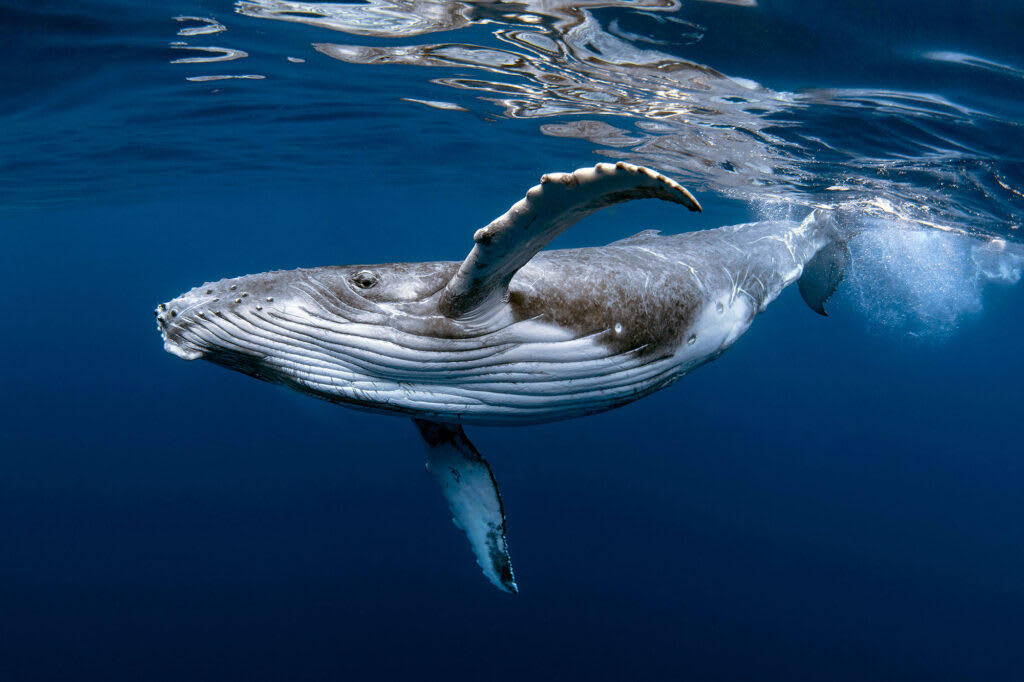
Living Large: The Biggest Animals on the Planet
The world is home to an astonishing diversity of animal life, and among them are some truly massive creatures. These behemoths can inspire awe and wonder with their size and power, and they often play important ecological roles in their respective habitats. Here are some of the biggest animals in the world:
1. Blue Whale: The blue whale is the largest animal ever known to have existed, growing up to 100 feet long and weighing as much as 200 tons. These gentle giants feed on tiny crustaceans called krill, filtering them from the ocean using baleen plates.
2. African Elephant: The African elephant is the largest land animal, with bulls reaching weights of up to 14,000 pounds and standing over 10 feet tall at the shoulder. These intelligent animals are known for their close family bonds and complex social behavior.
3. Saltwater Crocodile: The saltwater crocodile is the largest reptile, with males growing up to 23 feet long and weighing over a ton. They are formidable predators, known for their powerful jaws and ability to take down prey much larger than themselves.
4. Giraffe: The giraffe is the tallest mammal, with males reaching heights of up to 18 feet. Their long necks are used for browsing on high tree branches, and they have a distinctive spotted pattern on their fur.
5. Colossal Squid: The colossal squid is the largest invertebrate, with specimens measuring up to 46 feet long and weighing over 1,000 pounds. They live in the deep sea and are rarely seen by humans.
6. Whale Shark: The whale shark is the largest fish, growing up to 40 feet long and weighing over 20 tons. They are filter feeders, consuming plankton and small fish by straining them through their gills.
7. Polar Bear: The polar bear is the largest bear species, with males weighing up to 1,500 pounds. They are adapted to life in the Arctic, with thick fur and a layer of blubber to keep them warm in freezing temperatures.
8. Anaconda: The green anaconda is the largest snake species, growing up to 30 feet long and weighing over 500 pounds. They are powerful constrictors, squeezing their prey to death before swallowing them whole.
These massive animals are truly awe-inspiring, but their size also makes them vulnerable to habitat loss and other threats. Conservation efforts are crucial to ensuring their survival, as they play important roles in maintaining the health of their ecosystems. By learning about these amazing creatures and supporting conservation initiatives, we can help protect them for future generations to enjoy.
From Mosquitoes to Taipans: The Most Dangerous Animals in the World
Animals have been known to attack humans for various reasons, ranging from defending their territory to protecting their young or simply feeling threatened. While most animals are not naturally aggressive towards humans, there are some that are considered to be the most dangerous. Here are some of the most dangerous animals in the world:
1. Mosquito: The mosquito is responsible for more human deaths than any other animal, transmitting diseases such as malaria, dengue fever, and Zika virus.
2. Saltwater Crocodile: The saltwater crocodile is one of the most aggressive predators in the world, and is responsible for numerous attacks on humans in its native habitat.
3. Hippopotamus: Despite their herbivorous diet, hippos are known to be extremely territorial and aggressive, and are responsible for more human deaths in Africa than any other large animal.
4. Box Jellyfish: Found primarily in the waters of Australia and Southeast Asia, the box jellyfish is considered to be one of the deadliest creatures in the world, with venom that can cause heart failure and respiratory arrest.
5. African Elephant: While African elephants are generally peaceful animals, they can become aggressive if they feel threatened, and have been known to charge and attack humans.
6. Cape Buffalo: The cape buffalo is considered to be one of the most dangerous animals in Africa, with a reputation for charging and attacking hunters and other humans who enter its territory.
7. Poison Dart Frog: These brightly colored amphibians are found primarily in Central and South America, and are known for their potent venom that can cause paralysis and death.
8. Pufferfish: The pufferfish is a delicacy in Japan, but its flesh contains a potent toxin that can cause paralysis and death if not prepared correctly.
9. Great White Shark: While shark attacks on humans are relatively rare, the great white shark is considered to be one of the most dangerous species, with a powerful bite and the ability to mistake humans for prey.
10. Australian Taipan: The Australian taipan is one of the deadliest snakes in the world, with venom that can cause paralysis and death within minutes.
While these animals are considered to be the most dangerous, it's important to remember that they are not naturally aggressive towards humans and often only attack when they feel threatened or provoked. Humans should exercise caution and respect when entering these animals' natural habitats, and take precautions such as using mosquito repellent or avoiding areas known to be home to dangerous animals. By learning about these creatures and taking steps to protect ourselves and the environment, we can coexist safely and harmoniously with the wildlife around us.
About the Creator
Keep reading
More stories from writers in Earth and other communities.
UK Exposed to ‘Serious Harm’ by Failure to Tackle AI Risks, MPs Warn
The United Kingdom is facing growing warnings from Parliament that its approach to regulating artificial intelligence (AI) could leave citizens and the financial system exposed to serious harm. A recent report by the House of Commons Treasury Select Committee criticizes the government for a “wait-and-see” attitude toward AI risks, especially in financial services.
By Aarif Lashari6 days ago in Earth
Book Review: "The Queen" by Andrew Morton
You're probably wondering why on earth I would read this book. It was free and it was a fair length. That was basically it at first. But another reason is because I enjoyed the show The Crown and so, it only makes sense to read a book that goes through separating facts from fictions - and to be fair, there aren't a lot of fictions about the show it seems. From the birth of the little princess and the way in which her father was reluctantly to become the king, all the way to meeting and marrying the veteran prince, Duke of Edinburgh and even down to the death of her father, queendom and beyond, this book actually gives us a lot about a woman who basically embodied the greatness and modernisation of the British 20th Century.
By Annie Kapur7 days ago in Geeks


Comments
There are no comments for this story
Be the first to respond and start the conversation.