
Ocean Pollution: A Growing Global Crisis
Understanding the Causes, Consequences, and Solutions to Protect Our Oceans
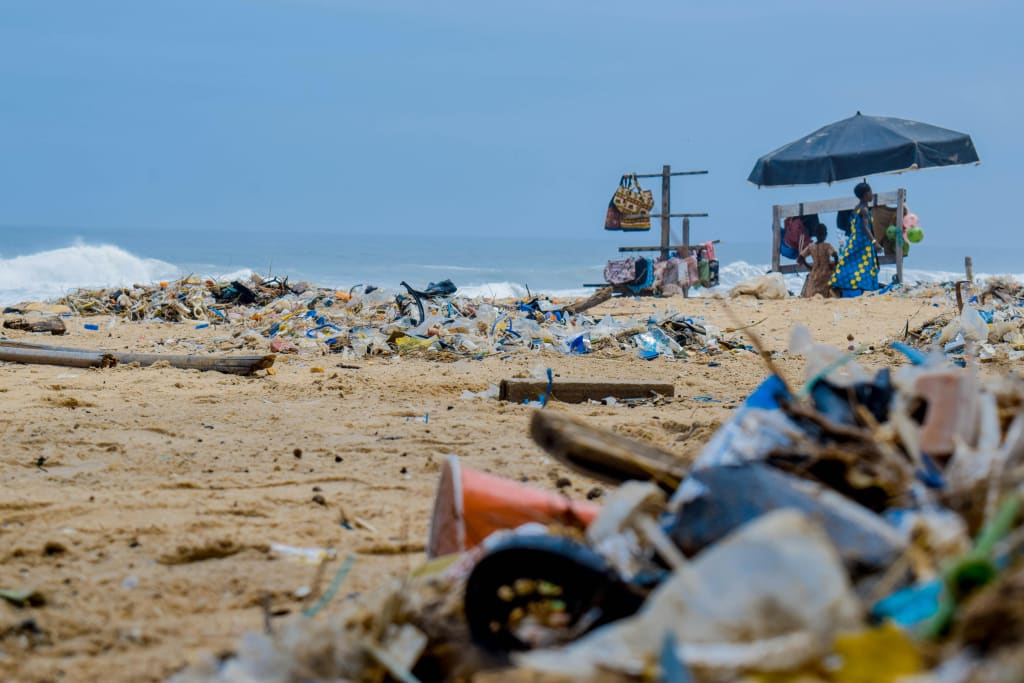
Ocean pollution is one of the most pressing environmental issues facing our planet today. Covering more than 70% of the Earth’s surface, oceans play a vital role in regulating the climate, supporting marine life, and sustaining human livelihoods. However, the increasing levels of pollution in oceans threaten their health and, in turn, the health of our planet.
The Causes of Ocean Pollution
Ocean pollution comes from various sources, both direct and indirect. One of the most significant contributors is plastic waste. Each year, an estimated 11 million metric tons of plastic end up in the ocean. This plastic, often originating from land-based sources, is carried by wind and rivers into the sea. Common items include plastic bags, bottles, straws, and packaging materials. These plastics do not biodegrade but instead break down into smaller particles known as microplastics, which are harmful to marine life.
Another major source is oil spills, which result from tanker accidents, offshore drilling, or natural seepage. Even small spills can be devastating, coating marine animals in oil and disrupting ecosystems for years. Chemical runoff from agriculture and industry is also a serious problem. Fertilizers, pesticides, and heavy metals wash into rivers and eventually flow into the ocean, causing nutrient imbalances and dead zones—areas with such low oxygen levels that marine life cannot survive.
Sewage and wastewater are yet another major contributor. In many parts of the world, untreated or partially treated sewage is discharged directly into coastal waters. This leads to high levels of bacteria and pathogens, making waters unsafe for both marine organisms and humans.
The Impact on Marine Life
The consequences of ocean pollution for marine life are severe. Sea turtles often mistake plastic bags for jellyfish and can die from ingestion. Birds, such as albatrosses, feed plastic debris to their chicks, leading to starvation. Fish and shellfish ingest microplastics, which can then be passed up the food chain to humans. Oil spills destroy habitats and poison creatures that rely on clean water to survive.
Chemical pollution affects reproductive systems, growth, and behavior in aquatic species. Coral reefs, often called the rainforests of the sea, are particularly vulnerable. Pollutants can lead to coral bleaching and disease, threatening the biodiversity of reef ecosystems.
Human and Environmental Consequences
Humans are not immune to the effects of ocean pollution. Many coastal communities depend on fishing and tourism, industries directly impacted by polluted waters and declining marine populations. Contaminated seafood can cause serious health problems, including mercury poisoning and digestive issues. Additionally, the decline in fish stocks affects global food security, especially in developing nations where fish are a primary source of protein.
Ocean pollution also contributes to climate change. Healthy oceans absorb large amounts of carbon dioxide, but pollution and habitat degradation reduce their capacity to do so. This creates a feedback loop that worsens both global warming and ocean acidification.
Solutions and What Can Be Done

Tackling ocean pollution requires coordinated global action. Reducing plastic use is one of the simplest and most effective steps individuals can take. Governments and companies can also play a role by banning single-use plastics and improving waste management systems.
International cooperation is key. Treaties and agreements can help enforce regulations on waste disposal, oil drilling, and shipping practices. Investing in clean technologies, such as eco-friendly packaging and biodegradable materials, can also reduce pollution at its source.
Public awareness and education are crucial. When people understand the impact of their actions, they are more likely to make sustainable choices. Schools, media, and advocacy groups can help spread the message about protecting our oceans.
Conclusion
Ocean pollution is a global crisis that demands urgent attention. While the challenges are vast, the solutions are within reach. By changing how we produce, consume, and dispose of materials, we can restore the health of our oceans and ensure a sustainable future for generations to come.
About the Creator
Keep reading
More stories from writers in Earth and other communities.
Olandria Carthen Shines as a Walking Work of Art at Paris Fashion Week
A Star Emerges in the Fashion Capital Olandria Carthen has made a striking impression at Paris Fashion Week, turning heads with every step on the runway. Known for her bold, artistic aesthetic, Carthen is being celebrated as a modern muse, seamlessly merging fashion with performance art.
By Aarif Lashari3 days ago in Earth




Comments
There are no comments for this story
Be the first to respond and start the conversation.