
Occupational Asbestos Exposure: Who's at Risk and What Can Be Done About It
Despite the known risks of asbestos, it is currently not fully banned in the United States, is still imported for various uses, and can still be found in numerous places and products.

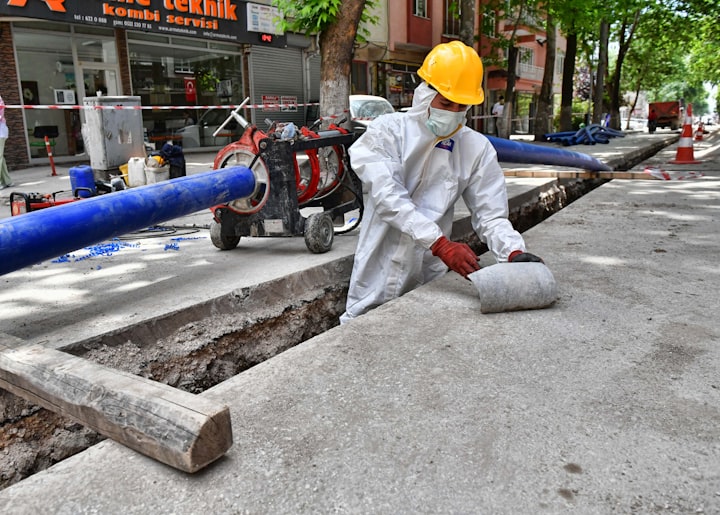
In the early 1940s through the 1970s, asbestos was widely used because it was an inexpensive, fire-retardant material that was an acoustic and thermal insulator. Asbestos has been connected to many health conditions that are not immediately evident. Many workers are still at risk for exposure today.
What is Asbestos?
Asbestos is a mineral that was once popular in various products because of its heat resistance and insulating effects. Asbestos can be detected in many forms, including the following:
- Chrysotile
- Amosite
- Crocidolite
- Tremolite
- Anthophyllite
- Actinolite
Asbestos fibers are minuscule and, when inhaled, become embedded in the lungs and other organs. This can lead to serious health problems such as the ones listed below:
- Mesothelioma
- Lung cancer
- Asbestosis
Because of the health risks associated with asbestos usage, it has been banned from use in many countries. But, it may still be found in older products and building structures.
Before Understanding the Risks
Occupational exposure to asbestos caused many health problems for those who were unwittingly exposed. Because asbestos was such a popular material, in the days prior to understanding the risks associated with it, many were exposed to the harmful mineral. Especially those who worked in settings where the asbestos was disturbed.
The At-Risk Population
There are many industries where workers risk exposure to the deadly mineral. Those at higher risk for asbestos exposure are listed below:
- Construction workers take the number one spot for asbestos exposure hazards these days. Asbestos was a popular material used in most standard construction for insulation, flooring, cement, and roofing.
- Those working in shipyards face a similar risk since asbestos was once a popular material in shipbuilding, ship repair, and the demolition of older ships.
- Firefighters risk exposure when putting out fires in buildings built with asbestos-based materials.
- Mechanics, particularly those who work on brakes, clutches, and other engine parts, can be at risk for asbestos exposure. For decades, these mechanics have brought asbestos particles home on their clothes, therefore exposing their families.
- Employees who work in manufacturing processes that use asbestos are another at-risk category of employees. Asbestos has been used in the manufacturing of textiles, electrical equipment, and vehicle parts.
Things That Can Be Done About Asbestos Risks
Asbestos is a dangerous material, and since we understand this, many countries have banned the use of the product. However, this does not mean that the threat is behind us. Asbestos still exists in older structures, meaning it still creates occupational exposure for some workers.
Here are some things that can be done about asbestos risks:
- Materials that contain asbestos must be identified by the employer. This may be asbestos in the insulation, flooring, or roofing materials. Wherever it is, employees should be aware.
- Railroad employees should recognize and avoid materials containing asbestos. They should be adequately trained on how to remove them safely and how to handle these materials properly.
- Employees exposed to materials that contain asbestos must wear appropriate personal protective equipment (PPE). PPE includes protective clothing like coveralls and respirators.
- Employees should be trained to follow proper safety protocols regarding materials that contain asbestos. For instance, wetting down the materials so that the release of fibers is diminished.
- Monitoring the air quality within a workspace so that workers are protected from high levels of asbestos exposure is critical to keeping everyone in good health.
- Workers who suffer exposure to asbestos must be monitored for signs of asbestos-related illnesses.
- If employers believe there may be asbestos on a job site, they must seek professional help assessing whether the asbestos is a problem and how to remove and dispose of it safely.
The Consequences of Asbestos Exposure
Over time, asbestos exposure can create severe health problems for workers who have repeatedly been exposed to the mineral. Employers have the ability to reduce the threat to their employees by taking the steps mentioned above.
Workers are entitled to understand the threat of working in asbestos-laden areas. By understanding the risks, they will take the recommended precautions more seriously, making the workplace safer for all involved. By working together, workplaces can reduce the number of people who become ill with asbestos-related illnesses.
About the Creator
Ahmed A.
Ahmed spends parts of his day writing about safety, cars, health, and fitness. The rest of his time is spent juggling between working out and cooking Michelin-star dishes!
The Moment Between Rest and Breakthrough
Why Being “Busy” Isn’t Always Moving Forward Lately, I’ve been looking at the sky more than usual. My daughter has started a little routine every evening. She runs outside and asks in her tiny voice, “Mommy, where’s the moon?” Then she squints into the fading light, searching for the first tiny spark of what she calls the sparkling stars.
By Noman Khan about 9 hours ago in Earth



Comments
There are no comments for this story
Be the first to respond and start the conversation.