
Nightmare Fuel: 8 Terrifying True Tales That Will Haunt Your Dreams for Weeks
"Real-Life Horrors: Dive into 8 Terrifying True Tales That Will Leave You Sleepless for Weeks"


Prepare to be utterly astonished as we venture deep into the most obscure recesses of History, revealing eight deeply unsettling accounts that will undoubtedly shake the very foundations of your understanding of the past. These chronicles of despair are so chilling that they seem to have sprung straight from the realm of nightmares, yet, disconcertingly, they are grounded in reality. So, without further ado, dim the lights, settle in, and brace you for a haunting journey unlike any other.
The Bhopal disaster

Most of us are familiar with the catastrophic Chernobyl incident of 1986, where a nuclear power plant accident led to the release of radioactive material, contaminating not only the immediate vicinity but also areas thousands of miles away. Undoubtedly the most devastating disaster in the history of nuclear power generation. However, little attention is given to another lesser-known tragedy that occurred just two years earlier in the city of Bhopal, India. On the fateful night of December 2nd, 1984, around 45 tons of deadly methyl isocyanate gas leaked from a pesticide plant owned by the Indian subsidiary of the American firm Union Carbide Corporation. This silent killer spread over the densely populated neighborhood, claiming the lives of thousands, many of whom perished in their sleep, while others succumbed to its effects in the days and weeks that followed. It is estimated that between fifteen thousand and twenty thousand people lost their lives, with over half a million being exposed to the toxic gas. The immediate consequences included severe respiratory problems, eye irritation, and even blindness. The survivors and the environment continue to bear the enduring burden of this tragedy. Those exposed to the gas still suffer from chronic health issues, including respiratory problems, neurological disorders, and birth defects in their children. The contaminated site has caused soil and water pollution, affecting the local ecosystem and the health of nearby communities. Governments worldwide responded to this horrific event by implementing stricter safety standards and regulations to prevent similar incidents. The lives of the affected community were irrevocably shattered, and to compound the tragedy, many families were offered meager compensation of just a few hundred dollars. Our thoughts and sympathies are with all those who were and continue to be affected by one of the most severe industrial accidents in history, which remains unknown too much of the world.
The Agent Orange program
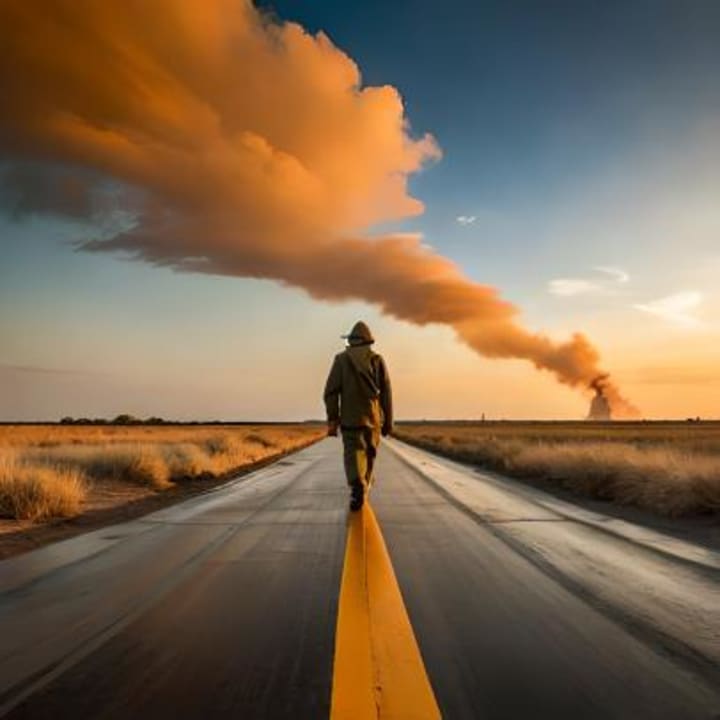
The Agent Orange program remains a haunting and contentious chapter in history, serving as a stark reminder of the brutality of war and the imperative to comprehend the long-term consequences of complex decisions. Agent Orange, a potent herbicide employed by the United States military during the Vietnam War, became a program of immense significance from 1961 to 1971. Its primary objective was to defoliate the dense jungles of Vietnam, revealing enemy hideouts and disrupting their food supply. However, the aftermath of this undertaking proved to be far more devastating than anticipated.
Agent Orange consisted of a 50-50 mixture of two herbicides, 2,4-D and 2,4,5-T, which generated a highly toxic substance known as dioxin. This chemical compound is infamous for causing severe health problems and birth defects. The name "Agent Orange" derived from the orange-striped barrels in which the mixture was stored. Approximately 20 million gallons of this toxic substance were sprayed by the US military across 4.5 million acres of land in Vietnam, resulting in the destruction of forests, crops, wildlife, and, more alarmingly, lasting health issues for both Vietnamese civilians and American soldiers.
Subsequent studies have established a connection between exposure to Agent Orange and various cancers, neurological disorders, and birth defects. Many individuals who were exposed to this chemical continue to suffer from its effects to this day. Although the US government has made efforts to compensate and acknowledge the suffering of those impacted by Agent Orange, many Vietnamese civilians still struggle to receive recognition and support for the ongoing health issues they endure.
The tragic true story of Tilikum SeaWorld's killer whale
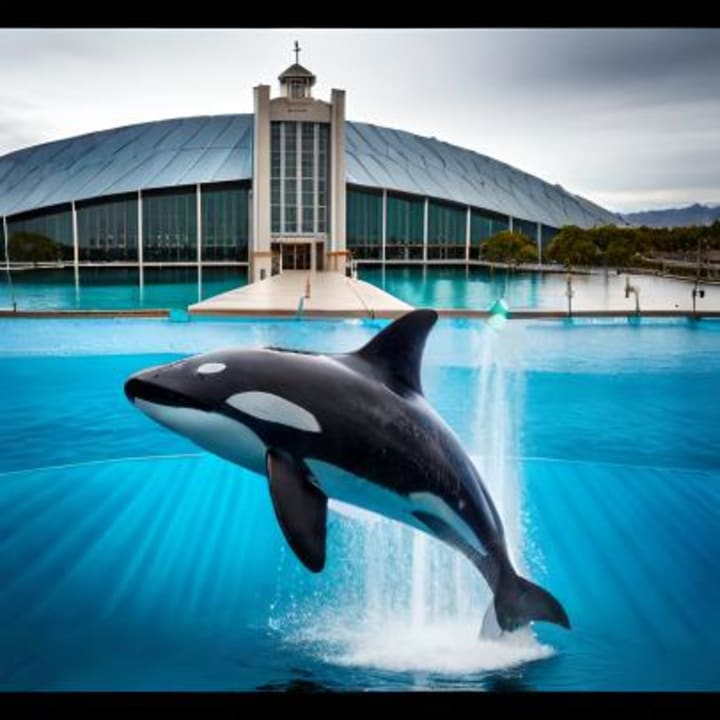
In 1983, a two-year-old killer whale was captured near Iceland and confined to a small cement holding tank for almost a year. Forced to swim in circles, he experienced severe limitations on his freedom. Eventually, he was transported to the dilapidated Sea Land of the Pacific Public Aquarium in British Columbia, Canada, where he was given the name Tilikum. Coexisting with two other captive female whales named Nutka and Hader, Tilikum struggled to bond with them and frequently exhibited aggressive behavior, bullying and chasing his tankmates. Despite these difficulties, he did manage to mate with one of the females and fathered 13 offspring, making him the most successful breeding whale in captivity.
Tilikum was compelled to perform eight times a day in front of the public at Sea Land, subjecting him to immense stress and exhaustion that adversely affected his well-being. Tragedy struck during his time in Canada when a young female orca trainer accidentally fell into the killer whale tank. Tilikum, along with the other whales, repeatedly submerged and drowned her, resulting in her untimely death. Shortly after this incident, Sea Land shut down operations.
In 1992, Tilikum was sold to SeaWorld Orlando, where he became an integral part of the park's famous shows and breeding program. However, tragedy struck again in 1999 when the lifeless body of a young man was discovered floating in the orca pool. The man had apparently gained unauthorized access to the park and had sustained multiple injuries from Tilikum, although it could not be definitively proven that the orca caused his death.
As time passed, Tilikum grew larger and more challenging to handle. His captivity-induced stress led to abnormal behavior, such as chewing on metal gates and the concrete walls of his enclosure, resulting in significant dental damage. He also developed a collapsed dorsal fin, a clear sign of his declining health and stress. Unfortunately, Tilikum's aggression towards humans persisted, culminating in a horrific incident in 2010. He violently attacked and killed his devoted trainer, dragging her into the pool, scalping and dismembering her before drowning her. The loss of the trainer shocked everyone, as she had formed a close bond with Tilikum, and they believed he reciprocated her affection.
Following the tragic death of his trainer, Tilikum was confined to a cramped enclosure, severely restricting his ability to swim and interact with others. Reports emerged of him spending his days listlessly floating in the water, a behavior never observed before in an orca. However, a year later, he was once again thrust back into performances, endangering lives and subjecting him to further distress.
Tilikum ultimately passed away in 2017 due to a bacterial infection. After enduring 33 years in captivity, it is evident that he likely despised every minute of his captivity. It is widely agreed that this majestic and magnificent creature should never have been captured in the first place.
The horror of early Victorian surgery

In the current climate of concerns about nuclear wars, climate change, and other pressing issues, it may be difficult to fully appreciate the advantages of modern-day life. However, taking a step back in time allows us to recognize and be grateful for the progress we have made, particularly in the field of healthcare. The state of medical care during the Victorian era was a horrifying and gruesome affair, where the chances of survival after surgery were so low that patients had to pay in advance in case they did not survive, ensuring that surgeons received their fees.
Hygiene practices were virtually nonexistent, with vermin and insects coexisting with patients in medical wards. Surgeons shamelessly reused the same stained tools and blood-soaked aprons for multiple operations, rarely bothering to wash their hands or instruments before surgery. Hospitals even employed bug catchers, who were sometimes paid more than doctors, to rid beds of lice and other pests.
Perhaps the most appalling aspect was the absence of anesthesia. Patients endured surgeries while fully conscious, enduring unimaginable pain and suffering. They were often restrained or tied down, screaming and struggling against the surgeon's knife. The lack of anesthesia made every procedure a form of sheer torture, not only for the patients driven to the brink of madness but also for the traumatized surgeons inflicting the pain.
Many surgeons of the time were unskilled, and some were even illiterate. Their demand stemmed from their speed rather than their expertise, as rapidity made a difference in terms of pain and survival. One renowned surgeon in 19th-century London was Robert Liston, who was said to be able to amputate a man's leg in just 30 seconds. During one of his most infamous operations, he moved so swiftly that he accidentally severed his assistant's fingers, leading to the assistant's subsequent death from gangrene.
If all of this was not horrific enough, surgeries were often public spectacles. In an era long before movies and television, many would attend surgeries for the morbid entertainment value of witnessing the struggle between life and death, akin to a real-life horror film.
By reflecting on the nightmarish realities of healthcare in the Victorian era, we can gain a deeper appreciation for the advancements and privileges we enjoy in the present day.
Alexander the Great

Alexander the Great, also known as Alexander III of Macedon, ascended the throne of the ancient Greek Kingdom of Macedon in 336 BC at the age of 20. Over the course of his 13-year reign, he established one of the largest empires in the ancient world, spanning from Greece to Northwestern India. Tragically, Alexander met his untimely demise in 323 BC at the age of 32. The exact cause of his death has long been a subject of debate, with theories ranging from malaria, typhoid, and alcohol poisoning to assassination by one of his rivals. Historical accounts reveal that Alexander's body did not exhibit signs of decomposition until six days after his passing, following 12 days of excruciating suffering. Recent insights from modern medicine suggest a possible explanation for his unexpected death. It is speculated that Alexander may have suffered from a rare autoimmune disorder called Guillain-Barre syndrome, which affects the nervous system. This disorder could account for the unusual symptoms he experienced and may also explain why signs of decomposition were not immediately apparent after his declared death. It is plausible that he may have still been alive during the preparations for his funeral and burial, which involved placing him in a golden anthropoid sarcophagus filled with honey, as ancient doctors relied on the absence of breath rather than a pulse to determine life or death. Consequently, Alexander could have been mistakenly declared dead before his actual demise. This theory suggests that his passing may be one of the most notable cases of pseudo Thanatos, or false diagnosis of death, ever recorded.
Hollow demore killing by hunger

The Russian invasion of Ukraine and the ongoing violent conflict it has spawned is a well-known and tragic event. However, it is important to recognize that this is not the first instance of suffering endured by the Ukrainian people at the hands of a Russian leader. In 1932, when Ukraine was still part of the USSR, Joseph Stalin, the leader of Russia, imposed a devastating famine upon the Ukrainian people—a somber chapter in history that often goes overlooked.
Stalin implemented policies with dire consequences, one of which was the forced collectivization of agriculture. This involved merging individual farms into large state-controlled collective farms, with the aim of boosting agricultural output to support the rapid industrialization of the Soviet Union. However, the fiercely independent Ukrainian farmers resisted relinquishing their land and livelihood to the state. In response to their resistance, Stalin exacerbated the situation by increasing grain quotas, demanding more and more Ukrainian-grown grain be handed over to the state, leaving little for the farmers themselves.
As a result, a man-made famine ravaged Ukraine, causing immense suffering and loss of life. The precise death toll from this tragedy, known as the Holodomor, remains a topic of debate, but estimates range from 3 to 7 million. The famine was so severe that desperate acts, such as cannibalism, were resorted to in order to survive. The Soviet government, however, denied the existence of the famine and callously exported grain to other countries while their own people starved.
It wasn't until the 1980s that the truth about this horrific event began to emerge. Today, many countries recognize the Holodomor as genocide, and efforts are being made to ensure that this tragedy is not forgotten. Memorials have been erected in Ukraine and across the globe to honor the victims and serve as a reminder of the devastating consequences of twisted political power.
The Texarkana Phantom

The chilling tale of the Texarkana Phantom unfolds in the small town of Texarkana, situated on the border between Texas and Arkansas. In the spring of 1964, within a span of fewer than three months, four heinous crimes took place. Three of these were brutal attacks on young couples parked in Lover's Lane, while the fourth involved the senseless shooting of a middle-aged couple in their rural farmhouse on the Arkansas side.
Although three of the victims survived with severe injuries, five lost their lives. The traumatized survivors could provide little substantial information to assist the police investigation. Fear gripped the town, compelling women and children to seek refuge in hotels whenever their husbands were away on business. People who had never owned firearms now slept with loaded weapons within arm's reach, and makeshift beds were arranged for children to sleep alongside their parents. Others devised rudimentary security systems by stringing wire around their property and attaching pots and pans to serve as makeshift alarms.
Despite an extensive and intense manhunt, the elusive killer, known as the Texarkana Phantom, managed to evade capture. He left behind scant clues and no definitive leads, leaving investigators perplexed. Throughout the years, various theories have emerged regarding the identity of the Phantom. Some speculate that he was a local individual harboring a grudge against young couples, while others believe he may have been a transient who moved on after the murders ceased. To this day, the true identity of the Phantom remains shrouded in mystery, making it the most notorious unsolved murder case in Texas history.
The Texarkana Phantom

Lastly, we delve into the chilling legend of the Beast of Gevaudan, an enigmatic creature that instilled terror in the French countryside during the 18th century. This horrifying tale unfolded between 1764 and 1767 in the remote region of Gevaudan, now part of modern-day Lozere in south-central France, at a time when superstition and fear of the unknown deeply influenced the minds of the local residents.
The first documented attack occurred in June 1764, when a young woman was tending to her cattle. She claimed that a large wolf-like creature lunged at her, but her livestock managed to drive it away. This initial encounter marked just the beginning of a reign of terror that lasted three years, with the Beast claiming over 100 victims, mostly women and children, plunging the people of Gevaudan into a state of panic.
Eyewitnesses described the Beast as an enormous wolf-like creature adorned with reddish fur, a broad chest, and a long, thick tail. Its head was said to bear resemblance to that of a dog, with large, dark eyes and a mouth full of razor-sharp teeth. Swift, agile, and incredibly strong, the Beast possessed formidable speed and became an infamous predator. Its vicious attacks predominantly targeted the victims' heads and limbs, with at least 16 victims falling victim to decapitation.
As the death toll continued to rise, the desperate people of Gevaudan pleaded for assistance. In response, King Louis XV dispatched professional hunters, and even his personal gun bearer, in a bid to capture or kill the Beast. However, despite their determined efforts, the elusive creature managed to elude capture, frustrating the search party's every attempt.
Numerous theories have emerged regarding the true identity of the Beast of Gevaudan. Some believe it was a pack of wolves, while others suggest it may have been a hyena or even a lion that had escaped from captivity. Certain individuals even entertained the idea that it was a werewolf or a supernatural entity. However, lacking any concrete genetic or forensic evidence, the true nature of the Beast of Gevaudan is destined to forever remain an enigma, unless it reemerges to strike fear once more in the future.
If you find this piece helpful, kindly consider leaving a like or even a tip. Your support as a reader means a great deal to me as a writer.
About the Creator
Naeema khan
Naeema Khan is a passionate and dedicated content writer known for their expertise in exploring and presenting facts.
Reader insights
Nice work
Very well written. Keep up the good work!
Top insight
Heartfelt and relatable
The story invoked strong personal emotions
Keep reading
More stories from Naeema khan and writers in Earth and other communities.
FASCINATING CREATURES AND HAZARDS OF THE OCEAN
Introduction: The vast ocean houses a captivating range of creatures, each with its own extraordinary defense mechanisms aimed at ensuring their survival. From the remarkable sea cucumbers to the stealthy stonefish, every species has evolved unique strategies to shield themselves from predators and potential dangers. It is essential for us, as humans, to be knowledgeable about these creatures and exercise caution when we come across them. In this article, we delve into the intriguing defense mechanisms of sea cucumbers, marbled cone snails, stonefish, lionfish, and sea urchins, emphasizing the significance of comprehending and respecting these remarkable ocean inhabitants.
By Naeema khan3 years ago in Earth
Chinese Planetary Engineering: The Great Green Wall and the Reclamation of Climate
There are junctures in history where a civilization no longer chooses between comfort and progress, but between adaptation and extinction. At the dawn of the new millennium, China hit one of those silent thresholds where geography ceases to be a backdrop and becomes an adversary. The desert was advancing, not as a metaphor for decay, but as a physical, methodical, and relentless force. Sand was devouring the horizon, winds grew heavy with dust, and the soil lost its fertile memory, taking with it the promise of social stability.
By Laurenceau Porte4 days ago in Earth
US Warns Airlines About Military Activity in Parts of Latin America
Commercial aviation is built on predictability—clearly defined airspace, coordinated air traffic control, and shared international rules. When that predictability is disrupted, even subtly, the ripple effects can stretch far beyond the cockpit. That is exactly why a recent warning from the United States has caught the attention of airlines, governments, and travelers alike. In early 2026, US aviation authorities issued an advisory warning airlines about military activity in parts of Latin America, urging pilots to exercise heightened caution when flying over certain regions. While no immediate restrictions or flight bans were imposed, the message itself was clear: something in the skies has changed, and the risks—however limited—can no longer be ignored. This development is not just about aviation safety. It reflects a growing intersection between geopolitics, military operations, and civilian infrastructure in a region that has long balanced cooperation with tension. What Exactly Did the US Warn About? The advisory, released through official aviation safety channels, highlighted concerns over potential military activity affecting airspace across parts of Mexico, Central America, South America, and nearby oceanic regions. Airlines were advised to remain vigilant during all phases of flight, including cruising at high altitudes, takeoff, and landing. Unlike routine notices related to weather systems or airport congestion, this warning explicitly referenced security-related risks. These include the possibility of unexpected military movements, temporary airspace disruptions, and interference with navigation systems that modern aircraft rely on for safe operations. Importantly, the warning did not accuse any specific country of wrongdoing, nor did it suggest an immediate danger to passengers. Instead, it served as a precaution—one designed to ensure airlines adjust flight planning, monitoring, and communication protocols accordingly. Why Military Activity Matters to Civil Aviation To the average traveler, military exercises or operations may seem distant from the experience of flying on a commercial jet. In reality, the two worlds often share the same skies. Civilian aircraft depend heavily on satellite navigation, coordinated air traffic control, and stable airspace rules. Military operations—especially those involving fast-moving aircraft, surveillance systems, or electronic equipment—can introduce uncertainty into that environment. Some of the key risks aviation authorities monitor include: Unplanned military aircraft movements that may not follow civilian flight patterns Temporary airspace closures or restrictions that require last-minute rerouting Navigation signal disruptions, whether accidental or intentional Increased congestion in strategic corridors used by both civilian and military flights While these risks are typically managed through coordination and communication, heightened military activity raises the stakes. The FAA’s advisory suggests that such activity has reached a level where additional caution is warranted. The Geopolitical Context Behind the Warning The timing of the advisory is not accidental. Latin America has seen a noticeable rise in security operations and military coordination involving the United States over the past year. These efforts are largely focused on counter-narcotics missions, maritime security, and regional stability, particularly in areas with strategic shipping routes or ongoing political tension. At the same time, broader global dynamics—ranging from great-power competition to shifting alliances—have increased the strategic importance of air and sea routes across the Western Hemisphere. From Washington’s perspective, issuing an aviation warning is not about alarmism. It is about acknowledging that military and security activities in the region may temporarily affect civilian systems, including aviation. How Airlines Are Responding For airlines, advisories like this are not unusual—but they are taken seriously. Most major carriers already operate with layered safety systems that allow them to respond quickly to changing conditions. In practical terms, this warning may lead to: Slight route adjustments to avoid specific airspace Enhanced pilot briefings before flights Increased coordination with air traffic controllers Closer monitoring of navigation and communication systems So far, there have been no widespread flight cancellations or suspensions linked directly to the warning. That suggests airlines view the risk as manageable, provided proper precautions are followed. Reactions from Latin American Governments Some governments in the region have been quick to reassure the public. Officials have emphasized that their national airspace remains safe and fully operational, and that civilian flights continue without disruption. This response highlights an important tension: while the US warning is precautionary, it can still affect public perception. Tourism, business travel, and investor confidence are all sensitive to suggestions of instability—even when no immediate danger exists. As a result, many countries are walking a careful line between cooperating on aviation safety and defending their reputation for stability. What This Means for Passengers For travelers, the key takeaway is simple: commercial aviation remains safe. Warnings like this are designed to prevent incidents, not predict them. Passengers flying through or over affected regions may experience slightly longer flight times or minor schedule adjustments, but there is no indication of increased danger to civilian aircraft. In fact, the existence of such advisories demonstrates how seriously aviation authorities take even low-probability risks. A Sign of a More Complex World The US warning to airlines is a reminder that modern air travel does not exist in a vacuum. As military operations, security concerns, and geopolitical rivalries evolve, civilian systems—from shipping lanes to flight paths—are increasingly affected. This moment underscores a broader reality: the skies are becoming more crowded, more contested, and more interconnected with global politics. Managing that complexity will require continued transparency, cooperation, and vigilance from governments, regulators, and airlines alike. For now, planes continue to fly, passengers continue to travel, and the system continues to work. But behind the scenes, aviation authorities are quietly adjusting to a world where safety is shaped not just by weather and mechanics—but by geopolitics as well.
By Muhammad Hassanabout 15 hours ago in Earth




Comments
There are no comments for this story
Be the first to respond and start the conversation.