
News You Should Care About: UK Experiences Hottest June on Record
Record-Breaking Heatwave: UK's Hottest June Underscores Urgency of Climate Action and Global Collaboration

The United Kingdom recently witnessed an unprecedented meteorological milestone as June 2023 emerged as the hottest June in recorded history. This scorching heatwave has not only shattered temperature records but has also raised concerns about the growing impacts of climate change. In this article, we will delve into the significance of this record-breaking event, explore its implications for the UK and the global climate, and underscore the urgent need for collective action to address the climate crisis.
Unprecedented Heatwave Grips the UK
Throughout June 2023, the UK experienced an extended period of exceptionally high temperatures, leading to the hottest June ever recorded. Meteorological agencies reported soaring temperatures across the country, with multiple regions witnessing mercury levels surpassing previous records. This unprecedented heatwave has disrupted normal weather patterns, significantly impacting daily life, agriculture, and the environment.
Implications for the UK
The scorching temperatures of June 2023 have had profound implications for various aspects of life in the UK. The extreme heat has posed health risks, particularly for vulnerable individuals such as the elderly and those with pre-existing medical conditions. Heat-related illnesses and increased demand for cooling infrastructure have put pressure on healthcare services and infrastructure.
Moreover, the agricultural sector has been heavily impacted by the soaring temperatures. Crops and livestock have faced challenges due to drought conditions and water scarcity, leading to reduced yields and financial losses for farmers. The heatwave has also heightened the risk of wildfires, further endangering ecosystems, wildlife, and habitats.
Climate Change and Human Influence
While individual weather events cannot be directly attributed to climate change, the prolonged and intense heatwave in June aligns with the long-term trend of global warming. Scientific consensus supports the idea that human activities, primarily the burning of fossil fuels and deforestation, have accelerated the warming of the planet. The UK's hottest June on record serves as a stark reminder of the urgent need to address the underlying causes of climate change.
Global Climate Crisis
The UK's heatwave is not an isolated event, but rather part of a larger pattern of extreme weather phenomena observed worldwide. Heatwaves, droughts, floods, and storms are becoming more frequent and intense, leaving no region untouched. The consequences of the climate crisis extend beyond temperature records, impacting ecosystems, agriculture, water resources, and human livelihoods.
Collective Action and Mitigation Efforts
The record-breaking June heatwave serves as a wake-up call, underscoring the necessity for swift and decisive action to combat climate change. Governments, businesses, communities, and individuals must come together to reduce greenhouse gas emissions, transition to renewable energy sources, and implement sustainable practices. Furthermore, investing in climate adaptation measures, such as resilient infrastructure and agricultural practices, is crucial to mitigate the adverse impacts of rising temperatures.
Role of International Cooperation
Addressing the global climate crisis requires international cooperation and solidarity. The UK, as the host of the 2021 UN Climate Change Conference (COP26), holds a crucial role in driving ambitious climate action and fostering multilateral collaboration. Global leaders must strengthen their commitments to the Paris Agreement, prioritize climate financing for developing nations, and work together to limit global warming to well below 2 degrees Celsius above pre-industrial levels.
Individual Responsibility and Climate Consciousness
While systemic changes are essential, individual actions also play a significant role in combating climate change. Making sustainable choices in daily life, such as reducing energy consumption, embracing renewable energy, minimizing waste, and adopting eco-friendly practices, collectively contribute to mitigating the climate crisis. Raising awareness and educating others about the urgency of the issue is equally crucial in fostering a global shift towards a more sustainable future.
Conclusion
The UK's hottest June on record serves as a stark reminder of the escalating climate crisis and its far
About the Creator
Keep reading
More stories from Viktor Selin and writers in Earth and other communities.
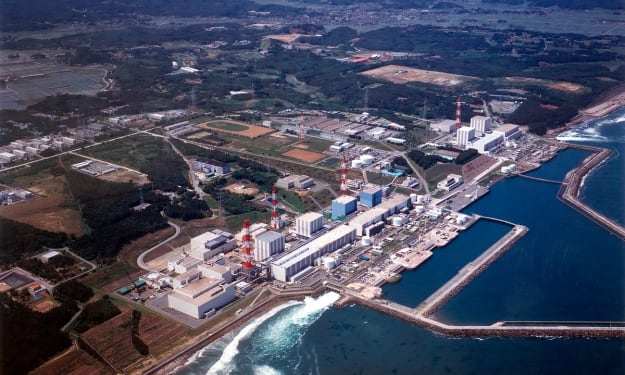
News You Should Care About: Japan's Plan to Release Fukushima Nuclear Plant's Waste Water into the Sea Gains Approval from UN Watchdog
In a highly controversial decision, the United Nations (UN) watchdog has approved Japan's plan to release the waste water accumulated at the Fukushima Daiichi nuclear power plant into the sea. This decision has stirred up intense debates and raised concerns about potential environmental and health risks. The Fukushima disaster in 2011 resulted in the release of significant amounts of radioactive material into the environment, and the ongoing management of the plant's waste water has been a pressing issue for Japan. In this article, we will explore the background of the Fukushima nuclear plant, the rationale behind Japan's decision, the scientific analysis conducted by the UN watchdog, and the concerns raised by various stakeholders.
By Viktor Selin3 years ago in Earth
Denmark and Greenland Prepare for US Talks as Trump Says Territory’s PM Has a ‘Big Problem’
Denmark and Greenland are preparing for crucial talks with the United States amid renewed diplomatic tension, after former US President Donald Trump claimed that Greenland’s prime minister has a “big problem.” The remarks, reported as part of ongoing European political coverage, have drawn attention to the fragile balance between diplomacy, sovereignty, and strategic interests in the Arctic. As delegations ready themselves for discussions in Washington, the episode underscores how Greenland has once again become a focal point in global geopolitics.
By Aarif Lashari4 days ago in Earth



Comments
There are no comments for this story
Be the first to respond and start the conversation.