

Preclinical study of Nanomaterial
In a wide range of published reports we find the antiviral and antibacterial activities of the nanomaterial against different viral and bacterial infection causing families. Two types of viral studies are highly common, Vitro and Vivo. In vitro studies revealed that the nanoparticles of silver has high potential to inactivate different types of virus for instance, HIV-1, Tacaribe virus, Hepatitis B, Monkey pox virus, etc. Sliver nanoparticles also show its activity towards influenza virus.
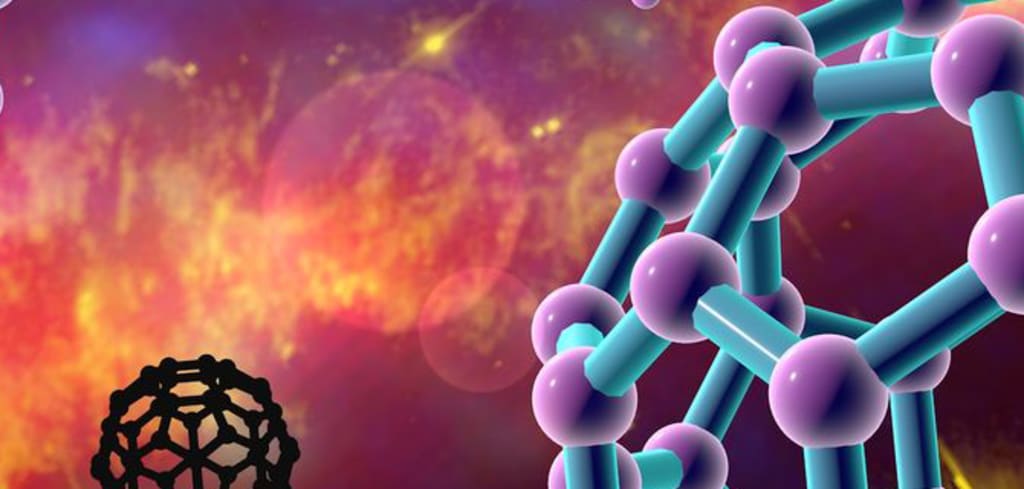
So after the literature review we comes to that point silver nanoparticles are highly effective to control and fight against the SARS-CoV-2 virus, as it is used to inhibit its family members from centuries. Beside silver other nanoparticles have also antiviral potential. H9N2 can be inhibiting by titanium oxide, Carbon fullerene liposomes are used to inactivate H1N1. Similarly peptide nanoparticle and ivermectin nanoparticles complexes are used to inactivate genome of Influenza A and Zika viruses. So, nanomaterial can be used to inactivate a large diversity of viruses, nevertheless of their structure and viral strain.
The other innovative potential affectivity of nanoparticles is that it reduces the chance of viral replication, in vivo against viruses from multiple families. In murine models, nanoparticles are highly effective to inhibit respiratory infectious reagent like herpes simplex virus, Influenza virus, dengue and lantivirus, etc.
Antiviral Nanomaterial mechanism of action
Preclinical trials have been revealed that the virus nanoparticles lead to the direct and indirect interactions of virus and nanoparticle. During indirect activity of nanoparticle it does not inhibit the virus itself, infect it works on improving the antiviral treatments activity and then use it for transport, stability and increased bioavailability among other.
Similarly nanomaterial enhanced the immune response of species and generating short and long term immunity. However, in contrast to indirect activity nanoparticles in direct activity attacked the viral genome itself and inactivate its replication activity by simply alternating its structural or genetic information. Back from 2005, study revealed that silver nanoparticles inhibit the activity of virus by attaching on its surface glycoproteins and completely alternate its structure. In this way it prevents the virus to enter into the cell and takes control of the host cell genome. Additionally, Gold and iron oxide nanoparticles especially those coated with metallic legends used to alternate the morphology of multiple of viruses. These nanoparticles break the viral particle results lead to the inhibition of these amorphous and naked viruses. Simple mechanism involved that the nanoparticles sliced the virus genes, inhibit the synthesis of new viral glycoproteins and made it inactive to replicate after entering into the host cell.
Main mechanism involves these steps;
• Attached to the surface protein
• Denatured the activity of proteins
• Inhibit fusion of the virus into host cell
• Inhibit virus from replication
Role in diagnosis of COVID-19
Biosensors are used to detect analysts in the body fluids or in any type of solution. It uses a physical transducer that combines with a biological recognition element. With the help of physical transducer we send signals to different parts of the body containing analysts and results the significant interaction of the biological component and the analyte. Most common biological recognition elements are nucleic acid, any type of microorganisms, enzymes with high efficiency, antibodies and some biological receptors.
Nano-biosensors
For clinical as well as environmental analysis, nanobiosensors serve as a valuable alternative instead of some conventional laboratory-based equipment. Nanobiosensor combines the electrical as well as optical properties of valuable nanomaterials with synthetic molecules which functions as receptors to examine any type of analyte. The whole cell detection as in case of cancer cells by applying electrolytic properties of gold nanoparticles toward hydrogen evolution is reported as well. It is based on cell-surface proteins reaction with specific antibodies that are conjugated to gold nanoparticles.
About the Creator
Fatima Jamil
In a world where you can be anyone, be yourself.
Keep reading
More stories from Fatima Jamil and writers in Earth and other communities.
Covid-19 part-5
Drawbacks of 1st Generation Vaccine Some disadvantages associated with this vaccine are that the virus are restored to its previous active or mutated form and can affect the host all over again with intensified impact. It also does not suit the hosts or most of the population and the vaccination is required at multiple time in order to reverse the effects of infection. Hence, proper vaccination and dosage are needed to be recommended.
By Fatima Jamil3 years ago in Earth
‘We Are Heartbroken’: The Traitors Winner Rachel Duffy Announces the Death of Her Mum
A Heartbreaking Announcement Rachel Duffy, the recent winner of The Traitors, has announced the death of her mother, sharing the deeply personal news with fans in an emotional statement. Known for her resilience, intelligence, and warmth on the hit TV show, Duffy revealed that her family is “heartbroken” as they grieve a profound loss.
By Aarif Lasharia day ago in Earth
China Lagging in AI Is a ‘Fairy Tale,’ Mistral CEO Says
For years, a familiar narrative has circulated in Western tech circles: China is falling behind in artificial intelligence, constrained by sanctions, limited access to advanced chips, and a supposedly weaker innovation ecosystem. But according to the CEO of Mistral AI, one of Europe’s most prominent AI startups, that story is nothing more than a “fairy tale.”
By Muhammad Hassan5 days ago in Earth
Seattle Nightlife Report: Pony
Mid-winter Friday night. Early but already so dark. The days are getting longer but 6 PM is still pitch black. “Firepit!” You declare things after just a few seconds of solemn thought – not a request or suggestion, not a demand. Last week you walked around saying, “Hot tub?” to anyone who would listen. Or one afternoon you pointed at two men holding hands as they crossed 12th Avenue, looked me in the eyes and said, “Boyfriends.”
By Joe Nasta | Seattle foodie poet6 days ago in Wander



Comments
There are no comments for this story
Be the first to respond and start the conversation.