
Myanmar Junta Holds Second Phase of Election Widely Decried as a ‘Sham Exercise’
Why the Vote Is Sparked Global Criticism and What It Means for the Country

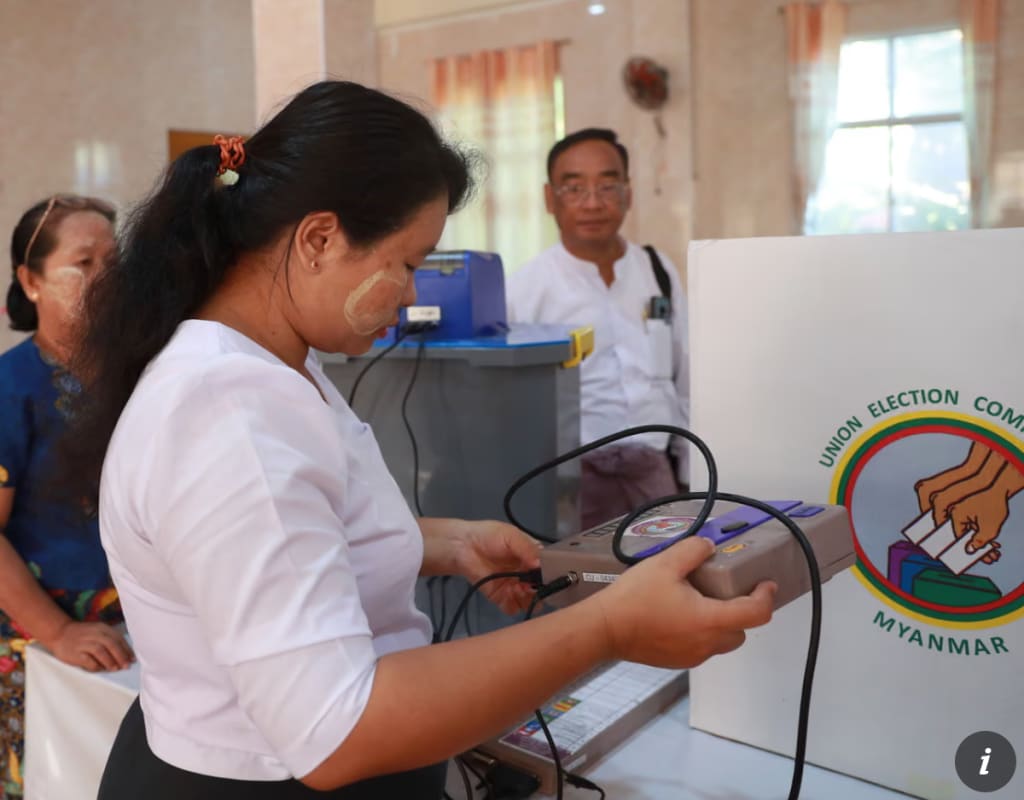
If you’ve been following Myanmar’s political turmoil, you probably heard the news: the military junta just held the second phase of its general election, and once again, critics are calling it a “sham exercise.” From the United Nations to human rights organizations, almost everyone outside the junta is dismissing this vote as a carefully orchestrated performance rather than a genuine democratic process.
Let’s take a closer look at what happened, why it’s being condemned, and what this means for Myanmar’s future.
A Military-Run Election in a Nation at War
On 11 January 2026, voters in certain parts of Myanmar lined up at polling stations to cast their ballots in the second phase of the election. This phase covered roughly 100 townships across 12 states and regions, part of a three-phase plan that began in December 2025 and will conclude in late January.
Sounds orderly enough—but here’s the catch: large areas of Myanmar are still controlled by armed opposition groups or trapped in active conflict zones. In many townships, voting didn’t even happen because it was too dangerous. For millions of citizens, the idea of participating in this election isn’t about choice—it’s about survival.
So, while the junta presents this as a return to political normalcy, the reality is much messier. This vote is happening amid ongoing civil war, instability, and widespread human suffering.
Who’s on the Ballot? And Who Isn’t
One of the biggest issues with this election is who is allowed to run.
Aung San Suu Kyi’s National League for Democracy (NLD)—the party that won a landslide in the 2020 election—is banned. Suu Kyi herself remains detained on politically motivated charges.
Many smaller opposition parties have also been barred from participating.
Rebel groups and youth movements have refused to take part, calling the vote illegitimate.
This has left the military-backed Union Solidarity and Development Party (USDP) as the clear front-runner. In the first phase of voting in December, the USDP already secured nearly 90 of 102 contested seats, which is a strong indicator that the outcome of the overall election is practically predetermined.
In short, this is less an election and more a political tool for the junta to cement power.
The Junta’s Playbook
For the military, these elections serve multiple purposes:
Legitimacy: By holding elections, the junta hopes to claim that it has public support.
Control: With opposition parties banned, the military ensures it dominates Parliament.
International Image: They want the world to see a functioning democratic process—even if it’s staged.
But the global community isn’t buying it. The United Nations, human rights organizations, and most Western governments have condemned the elections as neither free nor fair. Key issues include:
Widespread political repression
Absence of meaningful opposition
Election laws that stifle dissent
Unsafe conditions for voters
UN Special Rapporteur Tom Andrews even warned that the elections “cannot and should not be recognized” internationally.
Voices from the Ground: Fear, Frustration, and Exclusion
For everyday citizens, voting is complicated. Many are intimidated or fear retribution if they don’t comply. Others live in conflict zones or have been displaced, making voting physically impossible.
Ethnic groups and youth activists are particularly vocal about rejecting the elections. For them, the vote is a tool to marginalize minority communities and entrench military rule. Meanwhile, ordinary voters express mixed feelings—some participate out of hope for peace, others because they feel they have no choice.
The reality? The election process is fragmented, forced, and disconnected from the lives of most Burmese citizens.
International Reactions: Mostly Negative
Around the world, reaction to Myanmar’s elections has been overwhelmingly critical. The UN, Western governments, and human rights organizations argue that the polls are designed to prop up an authoritarian regime, not reflect the will of the people.
Civil society groups in Asia have also condemned the election, urging countries not to recognize the results. The junta’s international supporters, however—countries like China and Russia—may continue diplomatic engagement, making it harder to isolate the regime completely.
The key takeaway? While the junta may claim legitimacy, global acceptance is far from guaranteed.
Looking Ahead: What Happens Next?
The final phase of voting is scheduled for 25 January 2026, and it’s expected to follow the same patterns: military dominance, restricted opposition, and contested legitimacy.
If the junta consolidates power through this election, it will likely form a government that appears “elected” on paper but remains authoritarian in practice. Yet the ongoing civil war, international criticism, and domestic opposition suggest that Myanmar’s road to stability is still far away.
For observers inside and outside the country, these elections are less about democracy and more about power. The military hopes to create a façade of legitimacy, but the reality on the ground tells a very different story: one of fear, division, and a population yearning for genuine representation.This blog version is more readable, flows naturally, and keeps the key facts intact, while meeting Vocal Media’s style of a narrative, accessible, and conversational article.
If you want, I can also add a sidebar timeline showing all three phases of Myanmar’s 2025–26 elections to make it extra engaging for readers. It would fit perfectly for a blog format. Do you want me to do that?
Conclusion
Myanmar’s second-phase election may look like a step toward democracy on paper, but in reality, it’s a highly controlled, military-managed process with limited participation and credibility. With opposition voices silenced, ongoing conflict, and millions of citizens excluded, the so-called vote is widely regarded as a sham exercise.
For the people of Myanmar, the future remains uncertain. While the junta may claim victory, the country’s deep political, social, and ethnic fractures mean that true democracy and stability are still a long way off.
This election is a reminder that sometimes, the act of voting alone doesn’t equal democracy—especially when freedom, fairness, and choice are nowhere to be found.
About the Creator
Muhammad Hassan
Muhammad Hassan | Content writer with 2 years of experience crafting engaging articles on world news, current affairs, and trending topics. I simplify complex stories to keep readers informed and connected.
Keep reading
More stories from Muhammad Hassan and writers in Earth and other communities.
Arrests After Responders Are Struck at Scene of Crash
Emergencies often put first responders on the front line, but a recent incident has highlighted the risks they face from more than just the crisis at hand. Authorities have confirmed multiple arrests after paramedics and police officers were struck while attending the scene of a serious crash. The shocking episode has sparked widespread concern about the safety of emergency personnel and the growing need for stricter enforcement and public awareness. The incident, which unfolded during the early evening rush hour, underscores the vulnerability of those who rush toward danger to protect others, and serves as a grim reminder that not all threats come from the scene itself. The Incident Unfolds According to police reports, first responders were attending a multi-vehicle collision on a busy highway when the situation escalated. While traffic was being controlled and victims assisted, several responders were struck. Initial reports suggest that at least two officers and one paramedic sustained injuries, though thankfully none are life-threatening. Eyewitnesses described scenes of confusion and panic as vehicles failed to slow down near the crash site. Some drivers reportedly ignored cones, flares, and law enforcement instructions, creating dangerous conditions that forced responders to take evasive action. The risk was compounded by poor visibility due to evening darkness and wet road conditions. Arrests and Legal Action Police confirmed that multiple individuals were arrested in connection with the incident. Charges include reckless driving, assault on emergency personnel, and obstruction of justice. Authorities stressed that this kind of behaviour will not be tolerated, emphasizing the seriousness of endangering first responders. The arrests have been welcomed by both local officials and the wider emergency services community. Speaking to the media, a senior officer stated, “We will pursue anyone who puts our officers and paramedics at risk. Responders deserve respect and protection while performing their duties.” The Growing Danger for First Responders This event is part of a troubling trend seen in many regions worldwide. First responders—paramedics, firefighters, and police officers—are increasingly exposed to risks not only from the emergencies they attend but also from the public they serve. Distracted driving, aggressive behaviour, and disregard for traffic laws can transform even routine call-outs into life-threatening situations. According to safety studies, responders are far more likely to be injured at crash scenes than the individuals involved in the accidents themselves. Officials say the combination of high-speed traffic, congestion, and public impatience can make emergency scenes extremely hazardous, highlighting the need for both public awareness campaigns and strict enforcement of safety regulations. Eyewitness Accounts Bystanders at the scene described scenes of confusion and bravery. One witness said, “The responders were working quickly to help victims, but some drivers just didn’t stop or move over. It was terrifying to see them getting hit while trying to save lives.” Another observer praised the quick action of law enforcement, stating, “The officers and paramedics kept calm under pressure, directing traffic and helping the injured. It could have been much worse if they hadn’t acted so decisively.” These accounts underscore the thin line between order and chaos at crash sites, and the courage required to navigate it. Emergency Services Speak Out The incident has prompted statements from multiple emergency service organisations, calling for public cooperation and respect for responders. Paramedics and police unions highlighted that assaults on personnel are not just a legal issue—they are a public safety issue. Officials reiterated that the presence of cones, flares, and law enforcement officers is not optional. They are part of critical safety protocols designed to protect both responders and the general public. Ignoring these warnings can lead to serious legal consequences, including arrest. Public Responsibility Experts say that public behaviour plays a crucial role in preventing these incidents. Simple actions such as slowing down near crash sites, following police directions, and keeping a safe distance from emergency personnel can dramatically reduce risk. In many countries, laws require drivers to move over for emergency vehicles and personnel on highways. Failure to comply can result in fines, points on a driver’s license, or even criminal charges if someone is injured. The recent arrests serve as a high-profile reminder that such laws are actively enforced. Broader Implications for Road Safety The incident also raises questions about infrastructure and traffic management near high-risk areas. Emergency planners emphasise the need for proper signage, road design, and public education campaigns to reduce the likelihood of similar events. Technology may play a role in the future. From warning lights and automated traffic alerts to smart navigation apps that alert drivers to emergency scenes, modern solutions can help protect responders from harm while improving overall traffic safety. Community Response Community reactions have been largely supportive of the responders. Social media has seen a wave of messages praising first responders for their bravery, while calling out dangerous driving and reckless behaviour. Local leaders have echoed these sentiments, stressing that safety is a shared responsibility. “Every driver has a role to play in protecting those who protect us,” one official stated. “Incidents like this are a wake-up call for everyone to follow the rules and act responsibly.” Moving Forward Authorities have pledged continued vigilance and enforcement, while also reviewing protocols to enhance responder safety. Emergency services are exploring additional measures such as temporary road closures, enhanced signage, and public education initiatives to minimise risk during high-traffic incidents. For the public, the message is clear: cooperation saves lives. Respecting safety zones, following directions, and remaining calm around emergency scenes is not just courteous—it can prevent tragedy. Conclusion The arrests following the attack on responders at the crash scene highlight a troubling reality: those who rush toward danger to save lives often face hazards from the public they serve. While the legal consequences are immediate, the broader lesson is one of awareness, respect, and shared responsibility. As winter travel continues and roads remain busy, communities must remember that emergency responders are working under pressure to protect everyone. Simple acts—slowing down, moving over, and staying alert—can prevent incidents like this from happening again. In the end, safety at emergency scenes is not just the responsibility of responders—it belongs to all of us. Respecting that responsibility ensures that those who help others can return home safely at the end of the day.
By Muhammad Hassan2 months ago in Earth


Comments
There are no comments for this story
Be the first to respond and start the conversation.