
MY IMAGINERY FRIEND ALEX
A Journey of Imagination and Friendship
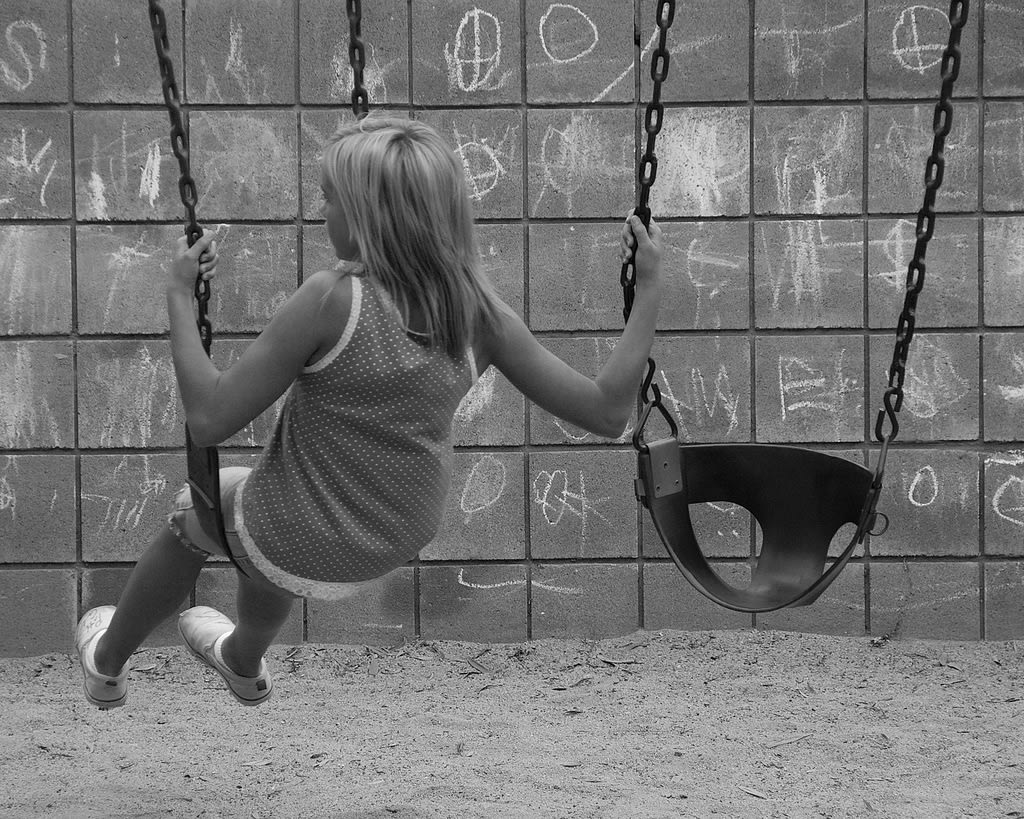
As a child, my imagination knew no bounds, and it was within this realm that Alex came into existence. I vividly remember the day I conjured Alex—an imaginary companion who embodied all the qualities I sought in a friend. Alex was a playful, mischievous character with a contagious sense of humo Ur and a heart full of compassion. Together, we ventured into uncharted territories, building castles in the sky, exploring enchanted forests, and embarking on extraordinary quests. Alex became a constant source of inspiration and encouragement, nurturing my creative spirit and fostering a sense of wonder within me.
Although Alex was a figment of my imagination, the impact of our friendship was profound. Through our adventures, I learned invaluable lessons about the essence of true friendship. Alex taught me the importance of loyalty, empathy, and the beauty of acceptance. In our imaginary world, there were no judgments or limitations—only boundless acceptance and unwavering support. Through our shared experiences, I discovered the significance of emotional connection and the power of a kindred spirit, even if that spirit existed solely in my mind.
With Alex by my side, my imagination thrived. The world around me became a canvas, waiting to be painted with vibrant colors and stories waiting to be told. Alex fueled my creativity and served as a constant muse. Our imaginary adventures often sparked ideas for stories, drawings, and games, igniting a lifelong passion for the arts. The imagination, I discovered, was not only a source of joy but also a wellspring of inspiration, pushing the boundaries of what was possible and propelling me toward new horizons.
Growing up can be challenging, with its fair share of hardships and uncertainties. During such times, Alex was my pillar of strength and resilience. Through our imaginary escapades, I found solace and a temporary respite from the difficulties of reality. Alex provided a safe space where I could express myself freely and escape the pressures of the outside world. In doing so, I learned the importance of finding inner strength and resilience during tough times, lessons that would prove invaluable in adulthood.
As I grew older, the presence of Alex gradually faded. The demands of reality and the pursuit of other interests caused our adventures to become less frequent. However, the memories and lessons we shared remained deeply etched in my mind and heart. Though Alex may no longer accompany me on my journeys, the bond we forged shaped my identity and influenced the person I am today. While parting ways with Alex was bittersweet, it symbolized the transition from childhood to adolescence—a natural progression of letting go of the imaginary to embrace the tangible.
Imaginary friends serve as catalysts for a child's imagination, promoting creative thinking and imaginative play. When engaging with an imaginary companion, children are encouraged to construct and navigate fictional scenarios, allowing them to develop problem-solving skills, expand their cognitive abilities, and explore their own creative potential. By utilizing their imaginations, children can create entire worlds, characters, and narratives, fostering a lifelong appreciation for storytelling and artistic expression.
Imaginary friends can have a profound impact on a child's emotional development. Through their interactions with these fictional companions, children have the opportunity to express and navigate a range of emotions in a safe and non-judgmental space. They can confide in their imaginary friends, seeking comfort and companionship during times of loneliness or distress. These interactions allow children to develop emotional intelligence, empathy, and a deeper understanding of their own feelings and those of others. The presence of an imaginary friend can also serve as a coping mechanism, helping children manage difficult emotions and providing a sense of stability during times of change or upheaval.
About the Creator
Keep reading
More stories from Amogelang Moima and writers in Earth and other communities.
My Africa
Africa, the vast and diverse continent, is a tapestry of breathtaking landscapes, rich cultures, and resilient people. With its vibrant history, remarkable wildlife, and economic potential, Africa stands as a beacon of hope, defying stereotypes and misconceptions. As an African, I have been fortunate to witness the magnificence of my continent first hand and appreciate its inherent beauty, diversity, and the enduring spirit of its people. In this essay, I will delve into the unique aspects that make Africa an extraordinary place, encapsulating both its challenges and its immense potential for growth.
By Amogelang Moima3 years ago in Earth
Malfunction Forces Japan to Take Restarted Nuclear Plant Offline: What It Means for Energy Security and the Future of Nuclear Power
Japan's efforts to revive its nuclear energy sector suffered a significant setback recently when a malfunction forced a restarted nuclear plant offline, highlighting the challenges the country faces as it works to balance energy security, environmental goals, and safety standards. This development has raised questions about the reliability of nuclear power in the post-Fukushima era and the nation’s ambitious plans to reduce its dependence on fossil fuels.
By Muhammad Hassan7 days ago in Earth




Comments
There are no comments for this story
Be the first to respond and start the conversation.