
Medicinal Herbs To Plant In Your Backyard While Starting Out
Start building your backyard today!

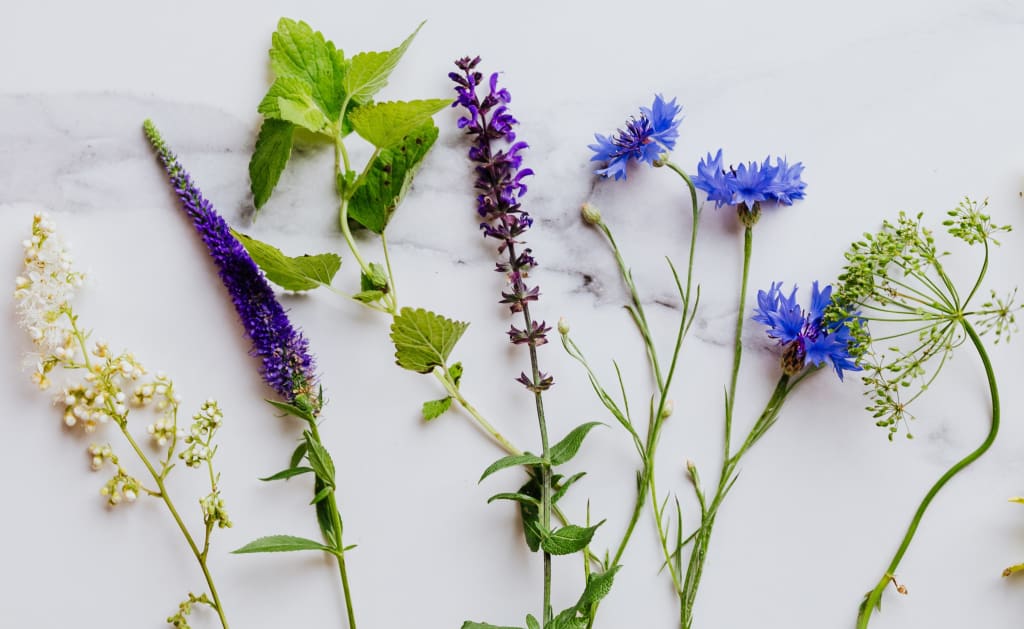
Introduction
In an ever-changing world, being prepared for unexpected challenge is paramount. One way to ensure self-sufficiency and well-being is by starting your own survival garden. This garden not only provides sustenance but can also serve as a natural pharmacy. Medicinal herbs are an essential component of such a garden, offering a range of health benefits. In this article, we will explore the top medicinal herbs to plant when you're starting your survival garden.
1. Calendula (Calendula officinalis)
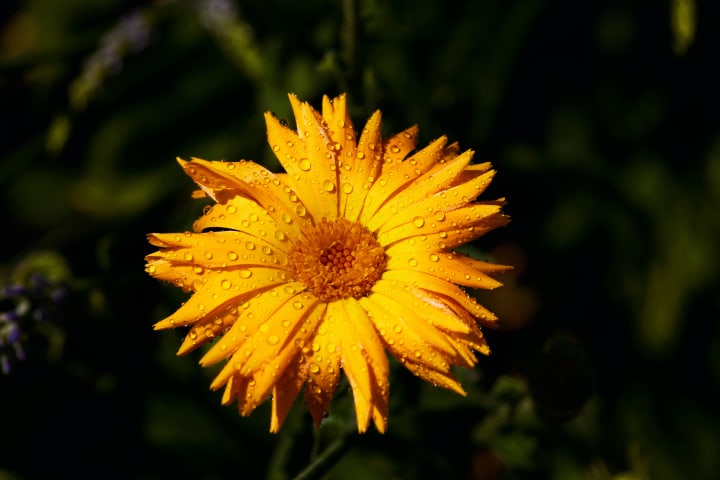
Calendula, often referred to as the "pot marigold, "is a bright and cheerful addition to any garden. Beyond its ornamental beauty, Calendula possesses potent medicinal properties. Its vibrant orange or yellow flowers are rich in antioxidants and have been used for centuries for their healing abilities.
To start building your own medicinal garden, click here
Medicinal Benefits :
- Skin Soother : Calendula is renowned for its skin-soothing properties. It can alleviate minor skin irritations, burns and rashes.
- Wound Healing : It promotes the natural healing of wounds, cuts, and bruises.
- Digestive Aid : Calendula can aid digestion and soothe digestive discomfort.
2. Chamomile (Matricaria chamomilla)
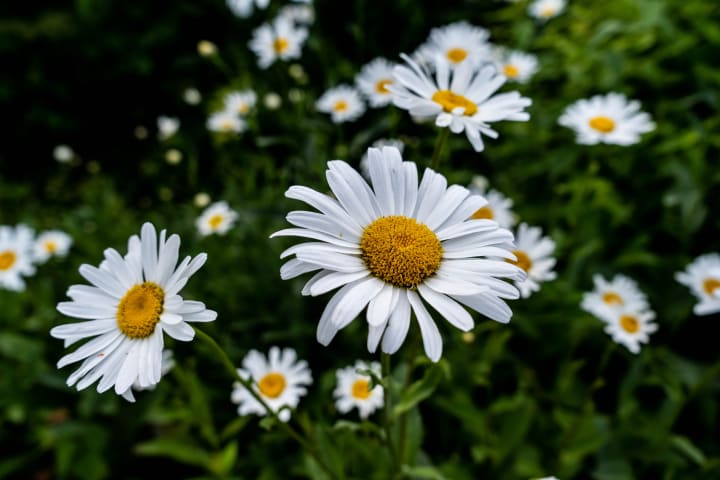
Chamomile is a beloved herb for its calming and soothing qualities. Its delicate white flowers and sweet, apple-like scent make it a delightful addition to any garden.
Medicinal Benefits:
- Stress Relief: Chamomile tea is a natural stress reliever and sleep aid.
- Digestive Comfort: It soothes gastrointestinal discomfort and reduces inflammation.
- Skin Care: Chamomile can alleviate skin conditions like eczema and acne.
3. Marshmallow (Althaea officinalis)
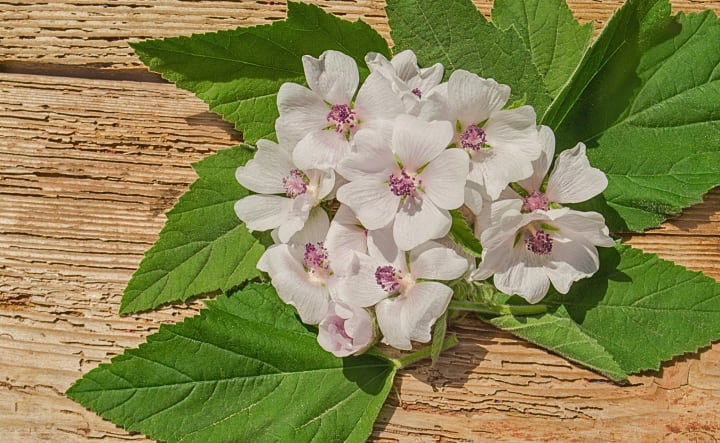
Marshmallow, with its pale pink flowers and velvety leaves, is a unique and valuable herb. Traditionally used in herbal remedies, it offers a range of benefits.
Medicinal Benefits:
- Soothing Demulcent: Marshmallow is an excellent demulcent, soothing irritated mucous membranes.
- Respiratory Health: It can help with coughs and throat irritation.
- Gastrointestinal Relief: Marshmallow can ease digestive discomfort and support a healthy gut.
- Wound Healer: Yarrow's astringent properties aid in wound healing and can help stop bleeding.
- Fever Reducer: It is used to reduce fevers and relieve cold and flu symptoms.
- Digestive Support: Yarrow can improve digestion and reduce bloating.
- Immune Booster: Echinacea stimulates the immune system, helping the body fight off infections.
- Cold and Flu Relief: It can reduce the severity and duration of cold and flu symptoms.
- Anti-Inflammatory: Echinacea has anti-inflammatory properties that can benefit various health conditions.
- Migraine Relief: Feverfew is known for reducing the frequency and severity of migraines.
- Anti-Inflammatory: It has anti-inflammatory properties that can help with arthritis and other inflammatory conditions.
- Digestive Aid: Feverfew can support healthy digestion and ease discomfort.
- Stress Reduction: Lavender is a natural stress reliever and can aid in improving sleep quality.
- Skin Care: It can soothe skin irritations, including sunburn and insect bites.
- Respiratory Health: Lavender can help alleviate respiratory issues like coughs and congestion.
- Hormonal Balance: Evening Primrose oil may help with hormonal imbalances and symptoms like PMS and menopause.
- Skin Health: It can improve skin conditions like eczema and acne.
- Anti-Inflammatory: Evening Primrose oil has anti-inflammatory properties that benefit overall health.
4. Yarrow (Achillea millefolium)
Yarrow is a hardy and versatile herb known for its feathery foliage and clusters of small, white or pink flowers. Its long history of medicinal use dates back to ancient times.
Medicinal Benefits:
5. Echinacea (Echinacea purpurea)
Echinacea, or purple coneflower, is a striking perennial herb with daisy-like flowers. It's a powerhouse for supporting the immune system.
Medicinal Benefits:
6. Feverfew (Tanacetum parthenium)
Feverfew is a dainty herb with tiny, daisy-like flowers and fern-like leaves. It has been used for centuries to alleviate various ailments
Medicinal Benefits:
7. Lavender (Lavandula spp.)
Lavender is celebrated for its fragrant purple blooms and aromatic leaves. Its calming scent makes it a favorite in aromatherapy, but it also offers valuable medicinal properties.
Medicinal Benefits:
8. Evening Primrose (Oenothera biennis)
Evening Primrose is known for its bright yellow flowers that bloom in the evening. The oil extracted from its seeds is highly prized for its medicinal properties.
Medicinal Benefits:
Conclusion
In uncertain times, a survival garden is a wise investment in your well-being. By including these top medicinal herbs in your garden, you not only enhance the beauty of your space but also ensure access to natural remedies for a range of health issues. From soothing skin irritations to boosting the immune system, these herbs are invaluable additions to your garden and your overall self-sufficiency strategy. Planting and nurturing these herbs is not only an act of gardening but also a step towards self-care and self-reliance.
About the Creator
Taylor Morgan
Welcome to my herbal haven! I'm Taylor Morgan, your guide to unlocking the magic of medicinal plants.
Let's explore nature's healing secrets and create a sanctuary of holistic well-being.
Keep reading
More stories from writers in Earth and other communities.
Enoch Burke Case: Disciplinary Panel Members Resign in Major Blow to Efforts to Resolve Row Over Teacher’s Dismissal
The long-running dispute surrounding Irish teacher Enoch Burke has taken another dramatic turn after members of a disciplinary panel resigned, dealing a significant setback to efforts aimed at resolving the controversy over his dismissal. The case, which has attracted widespread public attention, continues to raise complex questions about employment rights, institutional authority, and the handling of disputes involving personal beliefs in professional settings.
By Aarif Lashari4 days ago in Earth
from death into life
Young Aldin of Wiloh had never contemplated death. It was almost strange — so many around him had the tendency to obsess over it, to clamor and claw almost desperately at their own perceptions of the end to know death as much as they could: when it would come, why it would come, where it would take them when it did.
By angela hepworthabout 10 hours ago in Fiction




Comments
There are no comments for this story
Be the first to respond and start the conversation.