
Male and Female Plants: The Key to Successful Farming
Understanding Plant Genders is Essential for Better Fruit Yield and Crop Success
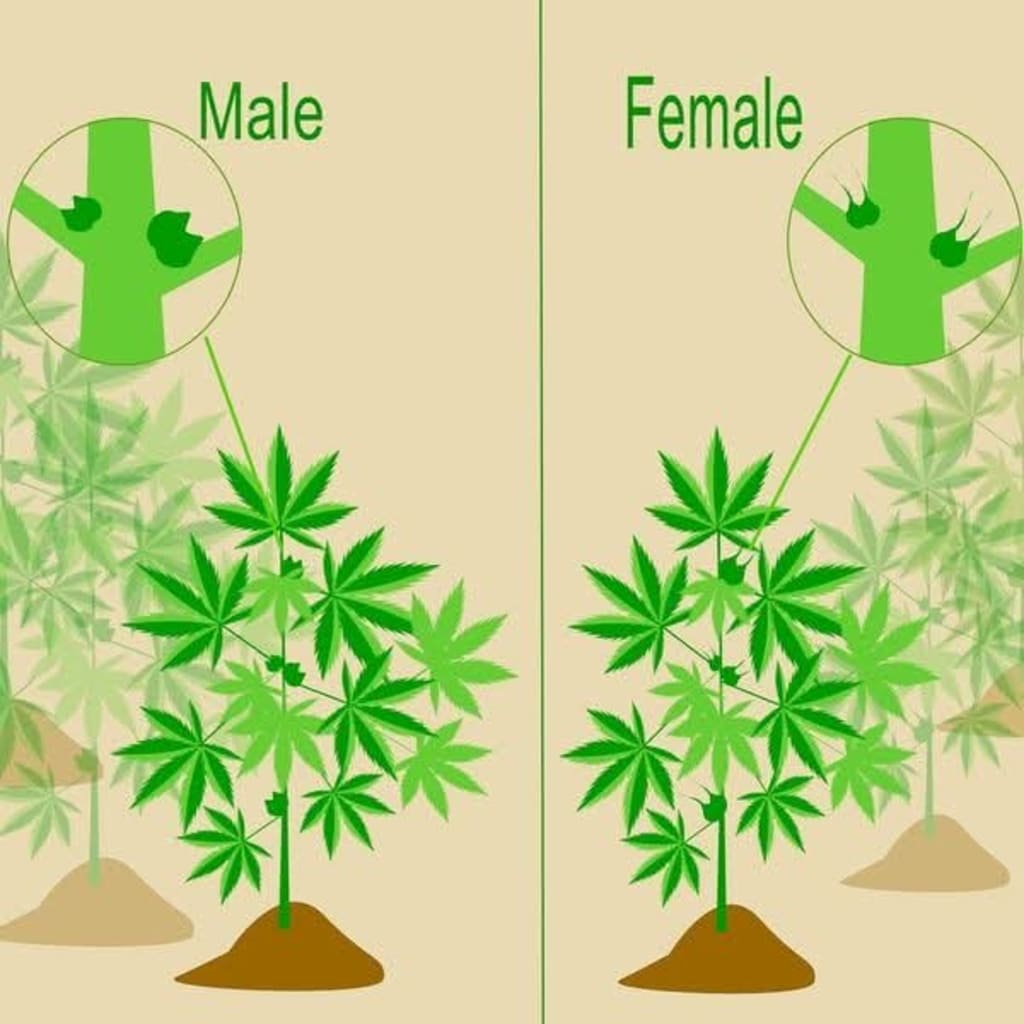
Just like humans and animals, plants also have male and female genders, designed by nature to ensure reproduction — through flowers, fruits, and seeds. However, many people are unaware of this crucial detail. If you’ve ever wondered why your tree blooms but never bears fruit, the answer might lie in the plant’s gender.
Some plants have both male and female flowers on the same plant, while others produce male and female flowers on separate plants. Knowing which plants are which — and how to manage them — can make all the difference in the productivity of your garden or farm.
Let’s break down the difference and explore the benefits and challenges of each type.
🌿 Monoecious Plants (Same Plant, Both Genders)
Definition:
Monoecious plants are those that bear both male and female flowers on a single plant. This allows for self-pollination or easy pollination with the help of wind or insects.
Examples:
Corn
Pumpkin
Cucumber
Watermelon
Squash
Sunflower
Almond (most varieties)
Walnut (some varieties)
Benefits:
These plants can pollinate themselves, making them easier to grow. There’s no need to worry about having both genders nearby.
For farmers and gardeners:
Monoecious plants are great for beginners because they don't require any special pairing — one healthy plant can usually produce fruit on its own.
🌳 Dioecious Plants (Separate Male & Female Plants)
Definition:
Dioecious plants have separate male and female individuals. This means one plant will only have male flowers, and another will only have female flowers.
Only the female plants produce fruit, but they need pollen from a male plant nearby to do so.
Examples:
Date palm
Papaya
Phalsa
Olive
Kiwi
Fig (some varieties)
Grapefruit (some varieties)
Psyllium
Cannabis
Traditional (Desi) tobacco
Important Note:
If you're planting dioecious species, you must plant both male and female plants. Typically, 1 male for every 8–10 female plants is enough for proper pollination.
Pollination can happen through wind, bees, or even hand pollination if necessary.
🍈 Special Case: The Papaya Plant
Papaya plants are unique because they can have three types:
Male: Produces only flowers, no fruit.
Female: Can produce fruit but only if pollinated.
Hermaphrodite (Hybrid): Has both male and female organs and can often self-pollinate.
Important Tip:
With papayas, you can only identify the gender once the plant starts flowering — so you’ll need to wait and observe.
🌱 Why Knowing Plant Gender Matters
If you unknowingly plant only male plants, you’ll never get fruit.
Many gardeners wait for years hoping for fruit, unaware that they only planted one gender.
A wise farmer or gardener recognizes plant gender and plans the crop accordingly.
For example, planting only female date palms without a male nearby means the trees will grow — but never bear fruit.
📌 Key Takeaways
Monoecious plants have both male and female flowers on the same plant and can self-pollinate.
Dioecious plants need both male and female plants for fruit production.
Papaya can be male, female, or hybrid — and only hybrids or pollinated females will give fruit.
To succeed in gardening or farming, identifying plant gender and planting in proper ratios is essential, as it directly affects pollination, fruit yield, plant health, and overall crop productivity and efficiency.
Final Thought:
Understanding Plant Genders is Essential for Better Fruit Yield and Crop Success
Smart farmers don’t just plant — they observe, learn, and adapt. Understanding plant gender helps maximize fruit production, avoid wasted effort, and ensure a thriving, well-balanced garden or farm.
Understanding the gender of your plants is not just botanical science — it’s agricultural wisdom.
Whether you’re growing a home garden or managing acres of farmland, this knowledge can help you save time, effort, and bring better yields — naturally.
About the Creator
Keep reading
More stories from Muhib Ullah and writers in Earth and other communities.
Killer whales
* Killer Whales Using Seaweed for Mutual Massage: A Fascinating Discovery* In a groundbreaking study, researchers have observed killer whales in the North Pacific Ocean using seaweed to massage each other. This unique behavior, known as "alokelping," has shed new light on the complex social dynamics of these intelligent and social animals.
By Muhib Ullah 7 months ago in Earth
Top Australian Writers’ Festival Cancelled After Palestinian Author Barred
One of Australia’s most respected literary festivals has been cancelled following a fierce backlash over the decision to bar a Palestinian author from participating. What began as a programming dispute quickly escalated into a national debate about free speech, cultural inclusion, and political pressure in the arts. The cancellation has sent shockwaves through Australia’s literary community, raising urgent questions about whose voices are allowed on public platforms and at what cost.
By Aarif Lashari5 days ago in Earth
The Trans Youth Athletes in the US Fighting for Their Rights: ‘Playing Is an Act of Resistance’
Across the United States, sports have become an unexpected front line in the fight over transgender rights. For many trans youth athletes, simply stepping onto a field, track, or court is no longer just about competition—it is an act of resistance. As state legislatures debate and pass laws restricting transgender participation in school sports, young athletes are finding themselves at the center of a national culture war that reaches far beyond the locker room.
By Aarif Lashari5 days ago in Earth
The Devil's Cut
“Comrade, finally you’re awake.” The voice was smooth, sensual. A flickering incandescent bar was all that lit the white, sterile room. All Vladimir remembered was everything going black. He tried to move his arms and found them strapped to the gurney.
By Matthew J. Fromm5 days ago in Fiction




Comments
There are no comments for this story
Be the first to respond and start the conversation.