
Lunar Dust Challenges
Lunar Dust Challenges: NASA's Efforts to Prepare for Hazardous Moon Soil in Future Missions


As humanity prepares for a return to the Moon through NASA’s Artemis program and other international space missions, one of the most persistent challenges facing astronauts and spacecraft is lunar dust. Unlike the fine dust found on Earth, lunar dust is sharp, highly adhesive, and electrically charged due to constant exposure to solar radiation. It can damage equipment, pose health risks to astronauts, and create operational hazards during exploration. Understanding the dangers posed by lunar dust and developing effective countermeasures is crucial to ensuring the success of future missions and the long-term sustainability of lunar exploration.
The Hazards of Lunar Dust
Lunar dust, also known as regolith, covers the Moon’s surface in a fine layer formed over billions of years by constant meteorite impacts. Unlike Earth’s soil, which is shaped by wind and water erosion, lunar dust remains jagged and abrasive, making it extremely damaging to spacesuits, machinery, and instruments.
Health Risks to Astronauts
One of the most concerning dangers of lunar dust is its potential impact on astronaut health. Because the Moon lacks an atmosphere, the dust particles are exposed to solar radiation, causing them to become electrostatically charged. This property allows the dust to cling to spacesuits, tools, and spacecraft interiors, making it difficult to remove. When astronauts return to their lunar modules, they can inadvertently inhale the dust, leading to possible respiratory issues. Some scientists compare the effects to silicosis, a lung disease caused by prolonged exposure to fine silica dust on Earth.
Additionally, lunar dust may pose risks to eyes and skin. The jagged nature of the particles can cause irritation and microabrasions, leading to discomfort and potential long-term health concerns. Ensuring that lunar habitats and life-support systems are equipped to filter out dust will be critical for prolonged missions.
Damage to Equipment and Technology
Beyond health risks, lunar dust presents a significant threat to equipment and spacecraft. The Apollo missions in the 1960s and 1970s provided firsthand experience of these challenges. Astronauts reported that lunar dust coated their spacesuits and visors, clogged joints in their tools, and even caused mechanical failures. Since the dust is highly abrasive, it can degrade seals, optics, and electrical connections over time.
Furthermore, because lunar dust absorbs and retains heat, it can interfere with temperature regulation systems. Equipment that relies on radiators to dissipate heat may struggle to function properly when covered in a thick layer of dust. As future missions aim for longer lunar stays, preventing dust accumulation will be essential to mission success.
NASA’s Efforts to Overcome Lunar Dust Challenges
NASA has recognized the severity of lunar dust hazards and is investing in new technologies and strategies to mitigate its effects. These efforts focus on prevention, protection, and removal to ensure the safety and longevity of equipment and astronauts.
1. Dust-Resistant Materials and Coatings
One approach NASA is exploring is the development of dust-repelling materials and coatings. Scientists are testing electrodynamic dust shields (EDS), which use electric fields to push dust particles away from surfaces. This technology could be applied to spacesuits, landers, and solar panels to keep them dust-free.
In addition, NASA is researching nanotechnology-based coatings that can reduce dust adhesion. These special materials, inspired by the way lotus leaves repel water, could be used on spacecraft windows, visors, and instruments to prevent dust buildup.
2. Improved Spacesuit and Habitat Design
Learning from Apollo-era challenges, NASA is designing new spacesuits with tighter seals and more dust-resistant joints. The xEMU (Exploration Extravehicular Mobility Unit), the next-generation lunar spacesuit, will incorporate advanced sealing mechanisms to prevent dust from entering critical components.
Lunar habitats are also being designed with dust mitigation systems, such as airlocks with dust removal features. Some proposed solutions include electrostatic filters and brush systems that clean spacesuits before astronauts enter their living quarters.
3. Autonomous Robots for Dust Control
NASA is also developing robotic systems that can help manage lunar dust before astronauts arrive. Robots equipped with electrostatic brushes, UV radiation, or magnetic fields could help clear dust from surfaces, keeping landing zones, solar panels, and habitats functional. Autonomous vehicles may also be used to compact the lunar surface, reducing the spread of loose regolith.
4. Simulating Lunar Conditions on Earth
To better understand how lunar dust behaves, NASA has created simulated lunar regolith for testing. Facilities like the Lunar Dust Research Lab allow engineers to test equipment in conditions that mimic the harsh lunar environment. These studies help refine hardware durability, dust mitigation strategies, and astronaut training protocols.
The Future of Lunar Exploration and Dust Mitigation
With NASA and other space agencies planning sustained lunar missions, addressing the challenges posed by lunar dust will be crucial. The Artemis missions, set to establish a long-term human presence on the Moon, will rely on advanced dust management technologies to ensure astronaut safety and mission success.
Additionally, private companies and international partners are collaborating on dust mitigation research. NASA’s Lunar Surface Innovation Initiative encourages partnerships with universities and industry leaders to develop new solutions for dealing with lunar dust.
In the long term, lessons learned from lunar dust mitigation may also benefit future Mars exploration. The Martian surface contains fine dust with similar challenges, and effective dust control on the Moon could provide valuable insights for human missions to Mars.
Conclusion
Lunar dust remains one of the most significant challenges facing future Moon missions. Its sharp, sticky, and electrically charged nature poses threats to both astronaut health and spacecraft functionality. However, NASA’s ongoing research and technological innovations are paving the way for safer and more efficient lunar exploration. By developing dust-resistant materials, improved spacesuits, robotic cleaning systems, and advanced habitat designs, space agencies are preparing to overcome this formidable obstacle.
As humanity embarks on a new era of space exploration, tackling the lunar dust problem will be essential for ensuring long-term success. With the right strategies in place, astronauts will be better equipped to explore, build, and thrive on the Moon—paving the way for future missions to Mars and beyond.
About the Creator
Ninette Ferriera
This page will transform your life through medicine, technology, and space exploration, improving healthcare, communication, and transport while advancing sustainability. It will shape your future and unlock endless possibilities
#Subscribe
Keep reading
More stories from Ninette Ferriera and writers in Earth and other communities.
Bees, Microbes, and the Future of Pollination
Bees are essential pollinators, playing a vital role in maintaining biodiversity and ensuring global food security. Their ability to transfer pollen between flowers allows plants to reproduce, leading to the production of fruits, vegetables, nuts, and seeds that sustain human and animal life. However, recent scientific discoveries have highlighted the importance of another key player in pollination: microbes. Microorganisms, including bacteria and fungi, interact with bees in ways that significantly impact their health, behavior, and efficiency as pollinators. As bee populations face growing threats from habitat loss, pesticides, climate change, and disease, understanding their relationship with microbes may be crucial to securing the future of pollination.
By Ninette Ferriera 12 months ago in Earth
UAE’s New Child Digital Safety Law Puts Parents at Risk of Fines
The United Arab Emirates has rolled out a new Child Digital Safety Law, aimed at safeguarding children from online dangers. But this ambitious law does more than regulate digital platforms — it puts parents and legal guardians directly in the accountability frame, holding them responsible for monitoring their children’s online activities. Failure to comply could result in fines that reach up to AED 1 million, depending on the severity of the violation.
By Muhammad Hassanabout 8 hours ago in Earth
Tidal Barrier to Be 10m Shorter to Save Money
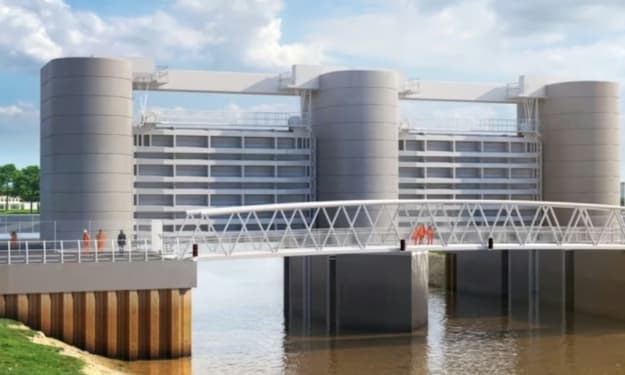
Rethinking Flood Protection in Somerset If you live near the coast, the threat of flooding isn’t just news — it’s a reality you can feel. That’s the situation in Bridgwater, Somerset, a historic market town near the Bristol Channel. For years, plans have been underway to build a tidal barrier to protect homes, businesses, and livelihoods from storm surges. Now, new updates reveal the barrier will be about 10 metres shorter than originally planned, a decision aimed at reducing costs while still keeping the town safe. This announcement has sparked conversations about engineering, budgets, and how communities adapt to climate challenges. Why the Barrier Is Being Shortened The Bridgwater Tidal Barrier was initially designed to be a high-profile flood defence, protecting thousands of properties from tidal surges that travel up the River Parrett. But after a recent design efficiency review, engineers concluded the barrier could be slightly shorter without compromising safety. Reducing the barrier by 10 metres lowers construction complexity, saves money, and reduces long-term maintenance costs. The Environment Agency and local authorities say this approach allows the project to move forward on time and on budget, ensuring the community gets protection sooner rather than later. The Cost Factor Public infrastructure projects like this don’t happen in a vacuum. Rising inflation, global supply chain disruptions, and labor shortages have increased costs for large-scale projects. Officials argue that the revised design is a responsible compromise: it balances cost savings with safety. Somerset Council leaders have welcomed the decision, noting that managing costs wisely helps the project reach completion without compromising protection for residents. Community Voices and Concerns Local engagement has been a key part of the project. Residents have attended consultations and drop-in sessions to see the updated plans and ask questions. Some community members appreciate the cost savings and faster timeline. Others worry whether a shorter barrier will be as effective against future extreme weather events. Questions include: Will the barrier remain strong against increasingly unpredictable storms? Does reducing the height limit future adaptability as climate impacts grow? What effect might it have on local ecosystems and fish habitats? These are valid concerns, reflecting how communities are increasingly involved in climate adaptation decisions. Engineering Flood Defence Today Tidal barriers are not new — Britain has relied on them for decades. London’s Thames Barrier, for instance, has protected the capital since the 1980s. But today, rising sea levels and more frequent storms mean engineers must balance safety, cost, and environmental impact carefully. In Bridgwater, officials say the revised barrier will still protect against 1-in-200-year tidal events. It’s designed to provide robust safety now while remaining adaptable for the future. The Human Side of Flood Protection It’s easy to get lost in numbers and metres, but behind the design decisions are real people. Residents depend on reliable flood protection to feel secure in their homes and communities. For families, businesses, and local services, knowing a barrier is being built — even a slightly shorter one — provides peace of mind. It’s not just a structure; it’s a symbol of resilience and preparedness. Next Steps for the Barrier The Bridgwater project is still under construction, with the revised design undergoing final refinements. Once completed, the tidal barrier will provide long-term protection for thousands of properties and critical infrastructure in Somerset. Officials emphasize that the shortened design does not compromise safety. If anything, staying on budget ensures the project is completed faster, meaning protection arrives sooner for the community. A Lesson in Climate Adaptation The story of the Bridgwater Tidal Barrier is more than engineering or economics. It’s about how communities respond to climate risks and how governments make tough choices balancing safety, cost, and sustainability. The barrier being 10 metres shorter may seem small on paper, but it reflects a larger truth: infrastructure planning today is as much about community engagement, adaptability, and long-term resilience as it is about concrete and steel. By keeping people involved and making informed, cost-effective decisions, Somerset shows how towns can adapt to climate change without sacrificing safety. Conclusion The Bridgwater Tidal Barrier demonstrates that infrastructure projects in the 21st century must adapt to multiple pressures: climate change, financial constraints, and community expectations. While the barrier is slightly shorter than originally planned, it remains a critical line of defence against flooding. More importantly, it highlights the importance of public involvement, transparency, and strategic planning in building a resilient community. For Bridgwater residents, the message is clear: the tide may rise, storms may come, but with smart planning and community engagement, the town will be ready
By Muhammad Hassan6 days ago in Earth
🅼🅸🅳🅽🅸🅶🅷🆃 🆂🅽🅰🅲🅺🆂
"It's 10 in Tuscon! We all know what that means... It's Time for Midnight Snacks with your man, Gerald Gee! Ready to spend the night together? Me too! I'm full of snacks and can't wait to regurgitate them all back into your hungry ears. Crack a brew! Pop some corn! Anything to get ready for one hell of a show where the talk maybe cheap but the words cut deep...
By Lamar Wigginsabout 17 hours ago in Fiction



Comments
There are no comments for this story
Be the first to respond and start the conversation.