Latest Stories
Most recently published stories in Earth.
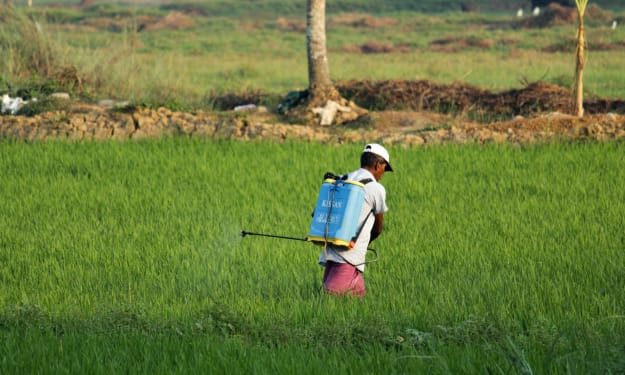
Pesticides have been shown to kill up to 93% of endangered plant and animal species
Each year, the meat industry in the United States uses more than 100,000 tonnes of pesticides. According to new research, the chemicals in herbicides and insecticides pose a significant threat to the majority of endangered plant and animal species.
By PEARSON JESSICA4 years ago in Earth
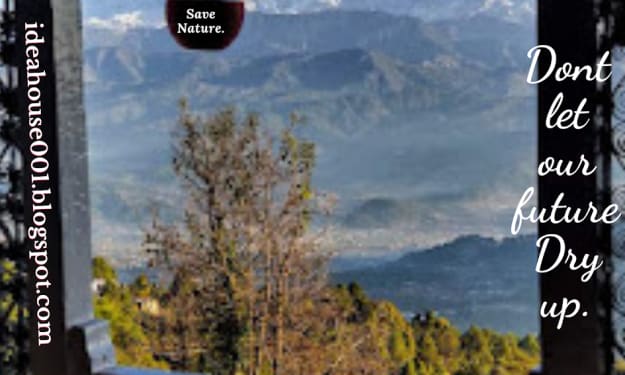
Preserving nature beauty is our sublime duty.
How many people can deny the divine, undeniable fact that we are blessed by this magnificent gift of the magnificent nature showering us with its supreme kindness? This kindness is absolutely, highly, amazingly, unmatched as a wonderful product for humanity by Mother Nature. What we see in our day to-day life is that the majestic mountains, just like the Himalayas, rivers like Ganga, Brahmaputra, and their subsidiaries, are all the precious gifts. Along with this, an abundance of massive greenery is critical for balancing the ecosystem, which has been badly polluted by continued deforestation and industrial plunder. Now the question is, what's our role in returning to Mother Nature for stamping us the particular beneficiaries of all of its blessings? How will we implement the procedures to maintain the mountains, rivers, and greenery pollution-free? This is often the elixir of human life, and in its absence, we are able to cherish the soothing effect of rejuvenation in healing ourselves, balancing all of our senses in order.
By Deepsk Sharma4 years ago in Earth
A Hymn. Top Story - April 2022.
I had always been afraid of birds. The way they screech into the sharp sky, display their talons like trophies, unfurl their wings and fly. How they move gently through the air as a simple breeze, but crack harshly against the earth each time they land. At 21, I spent most of my time alone in my dense apartment uptown, near the trees. I reveled in the space between me and others, the freedom of the forest. Fell in love with talking to myself and hearing only the rustle of branches as a reply. The fall proved to be the best time of the year. When the birds flew south and the bugs holed up from the cold. I wore sweaters to class in the morning, changed to a t-shirt by noon. I loved autumn, the soft in between of two extremes. I enjoyed each season as much as possible, each providing their own sense of beauty, but fall held its place in my heart. When winter hit and it snowed too hard, I pulled the covers tight and bundled myself away from the cold, refusing to accept it. Although friends and family questioned me, I refused to explain what the snow did to me. The way it took pieces of me each time, how most years I never got them back.
By Sydney Lee Jones4 years ago in Earth
How deep is the ocean
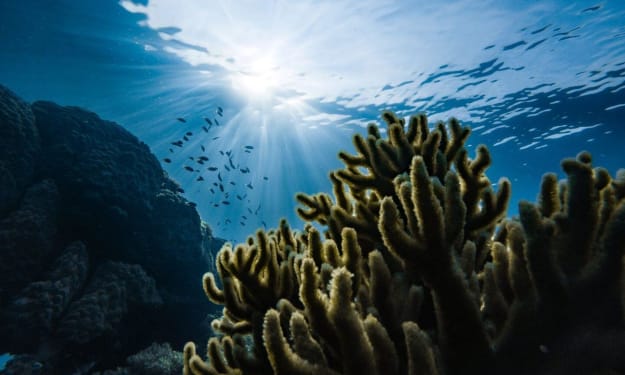
The ocean is our home. It is where we can find our food and care for our children, but more importantly, where we can enjoy our freedom and live our lives. Oceanography is the study of the physical world and the study of the living sea. We explore this sea with the tools of oceanography.
By TrendingFastIndia4 years ago in Earth
Laughter Follows
Making soft way across the soft wet sand, trying to pay mind to spitting clams annoyed by the disturbance. The tide will begin to come in soon and there is only so much space between the wrack line and the dunes. Just a moment past golden hour and already a chill is settling on bare shoulders and exposed backs of knees. It’s time to go home and time for the sweater still in the bag left by driftwood, out of the path of the eventual reaching backwash.
By Chaia Levi4 years ago in Earth
Earth Day: Taking action today, assuring the mission of tomorrow
WASHINGTON (AFNS) -- As a steward of almost 9 million acres encompassing forests, prairies, deserts, wetlands, and coastal habitats, the Department of the Air Force recognizes the importance of protecting and sustaining the natural environment.
By Sergiu Surdas4 years ago in Earth
Ukraine emergency: providing continuous response as humanitarian needs increase
With the conflict in Ukraine continuing, the humanitarian emergency grows unabated. UNHCR reports that more than 3 million refugees have already been forced to flee, with an additional 1.85 million individuals on the move inside the country. An estimated 12.65 million people live in areas worst affected by the conflict.
By Sergiu Surdas4 years ago in Earth
How did the five known super volcanoes form?
How are super volcanoes formed? Where are they located? These and other questions are answered below. Scientists believe that the super volcano is the greatest threat to humanity. Geological studies confirm the destructive power of the eruption of such an entity, the consequence of which is global climate change. There is no doubt that a powerful eruption could threaten a significant portion of the population and even contribute to the end of the era of human dominion, perhaps to the annihilation of life on our planet.
By LEDWIDGE FRANCES LOUISE4 years ago in Earth
For the Bees (And Us)
As we enter the warmer season and enjoy more time outdoors, it’s important to remember our hardworking little neighbor: the bee. Bees play a critical role in our ecosystem and are responsible for pollinating plants that we eat end enjoy every day. Bee work is truly critical to the entire planet, so it is of the upmost importance that we all do our part to protect them. Bee population rates have been declining at alarming rates in recent years, but there are a few things you can do as an individual to help.
By Merrie Sanders4 years ago in Earth