
Japan Organic Food Market Size and Forecast 2025–2033
Rising Health Awareness and Sustainability Drive Double-Digit Growth in Japan’s Organic Food Industry


Japan Organic Food Market Overview
Japan’s organic food market is steadily gaining momentum as consumers increasingly prioritize health, food safety, and environmental sustainability. Deeply rooted in a traditional diet that values freshness, seasonality, and minimal processing, organic food aligns naturally with Japanese culinary culture. However, modern lifestyle changes, rising concerns about pesticide exposure, chemical additives, and genetically modified organisms (GMOs) have significantly accelerated the shift toward certified organic products.
According to Renub Research, the Japan Organic Food Market is expected to grow from US$ 10.55 billion in 2024 to US$ 25.79 billion by 2033, expanding at a compound annual growth rate (CAGR) of 10.44% from 2025 to 2033. This robust growth reflects Japan’s gradual yet firm transition toward healthier and more sustainable food consumption patterns.
Although Japan’s organic food industry remains relatively smaller compared to Western markets, its expansion is particularly noticeable in urban regions such as Tokyo, Osaka, and Yokohama. Younger consumers, working professionals, and families with children are showing a growing preference for organic fruits, vegetables, dairy products, beverages, and processed foods. This demographic shift, combined with increasing income levels and greater exposure to global food trends, is reshaping the country’s food retail landscape.
Government-backed initiatives, especially the implementation of Japanese Agricultural Standards (JAS) for organic certification, have further strengthened consumer trust. These regulations ensure transparency and authenticity, helping reduce skepticism around organic labeling. At the same time, Japan’s limited arable land and strict farming requirements mean that imports continue to play a crucial role in meeting domestic organic food demand.
Japan Organic Food Market Size and Forecast (2025–2033)
Renub Research projects strong and consistent growth for the Japanese organic food industry over the forecast period. Rising health consciousness, increased focus on sustainable agriculture, and expanding retail availability are expected to drive market expansion across both domestic and imported product categories.
Market Highlights:
Market Size (2024): US$ 10.55 Billion
Projected Market Size (2033): US$ 25.79 Billion
CAGR (2025–2033): 10.44%
The market’s upward trajectory reflects Japan’s evolving consumer mindset, where food quality, traceability, and environmental impact are becoming as important as taste and convenience.
Key Factors Driving the Japan Organic Food Market Growth
Government Initiatives and Organic Certification
Government support plays a pivotal role in shaping Japan’s organic food industry. The Japanese Agricultural Standards (JAS) certification system sets rigorous benchmarks for organic production, including restrictions on synthetic pesticides, chemical fertilizers, and genetically modified organisms. These strict standards provide consumers with confidence in product authenticity and quality.
Beyond certification, the Japanese government actively promotes organic farming through subsidies, training programs, and research funding aimed at sustainable agricultural practices. These initiatives encourage farmers to transition from conventional to organic methods while ensuring compliance with national standards. Over time, such support is helping to build a more structured and reliable organic food ecosystem across the country.
Growing Health Consciousness Among Consumers
Health awareness has become one of the most powerful drivers of organic food demand in Japan. Rising incidences of lifestyle-related conditions such as obesity, diabetes, and cardiovascular diseases have prompted consumers to reconsider their dietary choices. Organic foods are widely perceived as healthier alternatives due to the absence of synthetic chemicals and artificial additives.
Parents, in particular, are increasingly choosing organic products for their children, while elderly consumers are turning to organic options to support long-term wellness. This growing emphasis on preventive healthcare is fueling sustained demand for organic fruits, vegetables, cereals, dairy products, and beverages across Japan.
Technological Advancements in Organic Farming
Japan’s adoption of advanced agricultural technologies is transforming organic farming practices. Precision agriculture tools such as drones, IoT-enabled sensors, and data analytics allow farmers to monitor soil health, crop conditions, and water usage more efficiently. These technologies help optimize yields while minimizing environmental impact.
Given Japan’s limited arable land and high labor costs, technological innovation is particularly crucial. Smart farming solutions enable organic producers to maintain quality and productivity while adhering to strict environmental standards. As technology adoption increases, organic farming is becoming more economically viable, supporting long-term market growth.
Retail Expansion and E-commerce Growth
The rapid expansion of retail and e-commerce channels has significantly improved access to organic food in Japan. Supermarkets, hypermarkets, and specialty organic stores are expanding their organic product portfolios to meet rising consumer demand. From fresh produce and dairy to snacks and beverages, organic options are becoming more visible on store shelves.
E-commerce platforms have emerged as a critical growth channel, especially for urban consumers with busy lifestyles. Online retailers offer convenience, detailed product information, certification transparency, and subscription-based organic food delivery services. This digital shift is helping organic food reach a broader consumer base, including regions with limited access to physical specialty stores.
Challenges in the Japan Organic Food Market
High Price Points and Consumer Perception
Despite growing awareness, high prices remain a major barrier to widespread organic food adoption in Japan. Organic products typically cost more than conventional alternatives due to labor-intensive farming practices, certification expenses, and limited economies of scale. Price sensitivity is particularly high among rural consumers and lower-income households.
Additionally, some consumers remain skeptical about the tangible benefits of organic food, viewing it as a premium lifestyle choice rather than a necessity. Addressing this perception through consumer education, transparent pricing strategies, and promotional campaigns will be essential for expanding market penetration.
Complex Certification and Regulatory Processes
While JAS certification ensures quality and trust, the certification process itself can be complex and time-consuming. Stringent documentation requirements, frequent inspections, and compliance costs can discourage small-scale farmers and new entrants from pursuing organic certification.
Imported organic products also face regulatory hurdles, leading to delays and higher costs. Simplifying certification procedures and offering additional support to farmers could help improve supply chain efficiency and foster greater innovation within the market.
Japan Organic Food Market Segmentation
By Product Type
Organic Fruits and Vegetables
Organic Meat
Organic Poultry and Dairy
Organic Processed Food
Organic Bread and Bakery
Organic Beverages
Organic Cereal and Food Grains
Others
Organic fruits and vegetables dominate the market due to their daily consumption and strong association with health benefits. However, demand for organic processed foods and beverages is rising rapidly, driven by convenience-focused consumers.
By Distribution Channel
Supermarkets / Hypermarkets
Specialty Stores
Convenience Stores
Online Retail Stores
Others
Supermarkets and specialty stores remain key distribution points, while online retail is the fastest-growing channel due to changing shopping habits and digital transformation.
Competitive Landscape and Company Analysis
The Japan organic food market features a mix of global leaders and established food brands that emphasize sustainability, ethical sourcing, and clean-label products. Companies are investing in product innovation, strategic partnerships, and supply chain transparency to strengthen their market presence.
Key Players Covered
Danone S.A.
General Mills Inc.
Sprouts Farmers Market Inc.
The Hain Celestial Group Inc.
The Kroger Company
United Natural Foods Inc.
Dole Food Company Inc.
Newman’s Own
Company Analysis Includes:
Overview
Key Persons
Recent Developments & Strategies
Revenue Analysis
These players focus on expanding organic portfolios, improving sourcing transparency, and aligning products with evolving consumer preferences in Japan.
Future Outlook
The future of Japan’s organic food market appears highly promising. As sustainability, wellness, and food safety continue to influence consumer behavior, organic food is expected to transition from a niche category to a more mainstream choice. Continued government support, technological innovation, and retail expansion will play critical roles in shaping the industry’s trajectory.
Urbanization, digital retail growth, and increasing consumer education are likely to further accelerate market adoption. While challenges related to pricing and certification remain, ongoing improvements in supply chain efficiency and farming technology are expected to mitigate these constraints over time.
Final Thoughts
Japan’s organic food market is entering a transformative phase marked by strong growth potential and evolving consumer priorities. With the market projected to reach US$ 25.79 billion by 2033, organic food is becoming an integral part of Japan’s broader health and sustainability movement. Companies that invest in innovation, affordability, and transparency will be best positioned to capitalize on this expanding opportunity.
As Japanese consumers continue to align their dietary choices with environmental responsibility and long-term wellness, the organic food industry is set to play a pivotal role in the nation’s future food ecosystem.
About the Creator
Janine Root
Janine Root is a skilled content writer with a passion for creating engaging, informative, and SEO-optimized content. She excels in crafting compelling narratives that resonate with audiences and drive results.
Keep reading
More stories from Janine Root and writers in Earth and other communities.
Fiberglass Pipes Market Size and Forecast 2025–2033
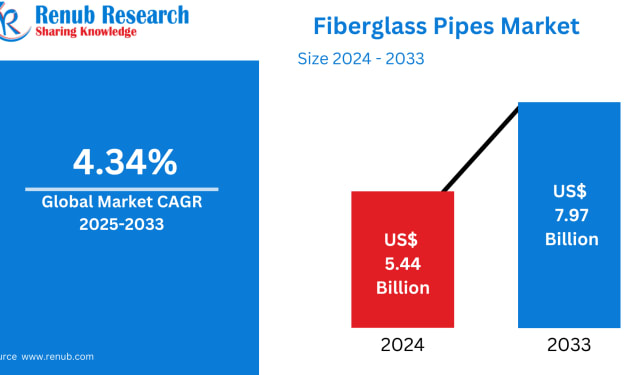
Global Fiberglass Pipes Market Outlook The Global Fiberglass Pipes Market is gaining strong momentum as industries worldwide increasingly prioritize corrosion resistance, durability, and long-term operational efficiency. According to Renub Research, the market was valued at US$ 5.44 billion in 2024 and is projected to reach US$ 7.97 billion by 2033, growing at a CAGR of 4.34% from 2025 to 2033.
By Janine Root 21 days ago in Earth
Stanislav Kondrashov on the Role of Smart Grids in the Energy Transition
In the unfolding narrative of global energy transition, one innovation continues to shape the path forward with quiet persistence: smart grids. As countries shift away from fossil fuels and towards decentralised, renewable energy sources, smart grids are emerging as the invisible backbone of the future energy landscape. According to energy strategist and researcher Stanislav Kondrashov, the smart grid isn't just a technical upgrade—it's a fundamental rethinking of how societies generate, distribute, and consume power.
By Stanislav Kondrashov7 days ago in Earth


Comments
There are no comments for this story
Be the first to respond and start the conversation.