
Is it useless to seal the sarcophagus? More neutrons, nuclear fission strengthens, Chernobyl may explode again
More neutrons, nuclear fission strengthens, Chernobyl will explode again

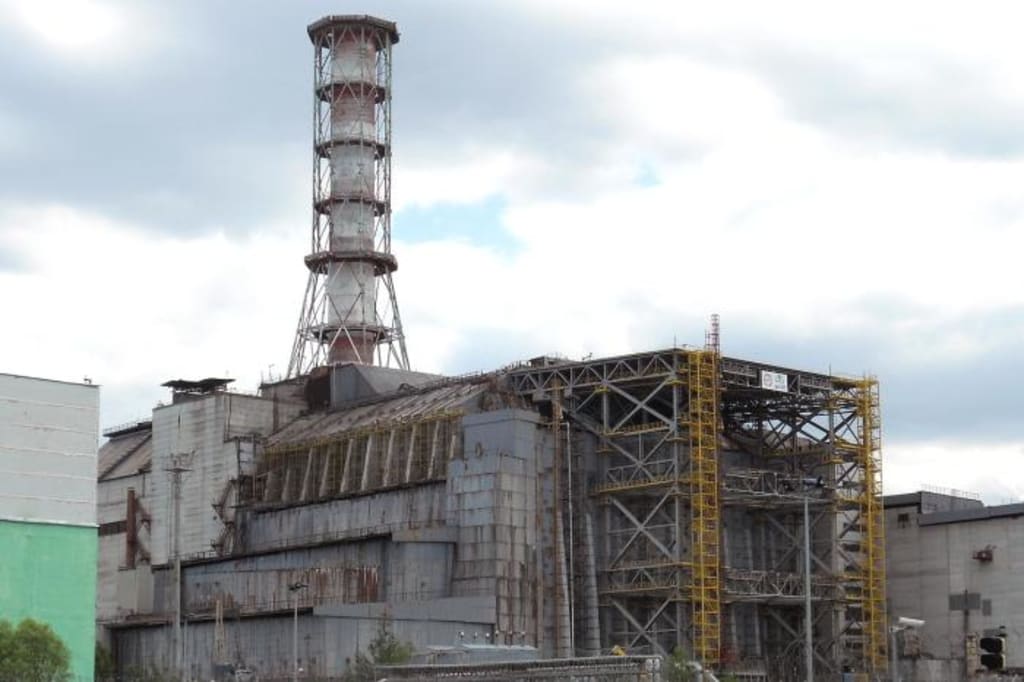
Fission reactions surge in concrete sarcophagus at Chernobyl nuclear power plant, risking another explosion. Thirty-five years after the nuclear accident, the number of neutrons picked up by on-site sensors has increased dramatically, a signal of fission that scientists have reason to believe is at risk of another runaway nuclear reaction. Scientists are evaluating the problem, however, and no alarm has been issued yet.
On April 25, 1986, Unit 4 of the Chernobyl nuclear power plant was shut down normally for routine maintenance. They will also use the shutdown for testing, but the reactor was left in an unstable state because engineers were blindly confident and violated safety regulations. Finally, in the early hours of April 26, the nuclear reactor melted and exploded catastrophically.
The uranium fuel rods, zirconium cladding, control rods and sand in the reactor core become lava-like radioactive material at high temperature, and then flow into the basement of the reactor hall, where they combine with steel and concrete to harden into a fuel-containing material structure. A year after the accident, they built a sheltering structure, commonly known as the Chernobyl sarcophagus, for the accident nuclear power plant to prevent nuclear leakage.
However, this sarcophagus was unreliable and rainwater could seep into it. As we all know, the occurrence of nuclear fission requires the "assist" of neutrons. But if neutrons are moving too fast, radioactive nuclei have difficulty capturing them. The infiltration of rain acts as a moderator, slowing the neutron so that it can hit the nucleus more efficiently, increasing the intensity of the fission reaction.
A heavy rain in June 1990 caused a dramatic increase in the number of neutrons in the sarcophagus, a phenomenon tracked by a Chernobyl scientist who came here risking exposure to radiation and sprinkled a solution of gadolinium nitrate . The solution absorbs neutrons, weakening the intensity of the nuclear reaction. A few years later, engineers installed gadolinium nitrate sprinklers on the roof, which could be controlled remotely to spray the liquid. However, these sprays can only exist on the surface and cannot effectively penetrate the surface.
In November 2016, Chernobyl built a new sarcophagus on the basis of the old one. The new sarcophagus is able to keep out the wind and rain, and the neutron count inside the sarcophagus has been dropping steadily since it was built. The rainwater accumulated in the sarcophagus in the early stage is also slowly receding under the condition of the heat released by nuclear fission.
While the situation in most places is beginning to be optimistic, the number of neutrons in one reaction chamber is slowly rising. Its peak neutron emissions have increased by 40 percent since 2016. Scientists' models suggest that the drying of the fuel would in some cases make neutrons play a greater role in nuclear fission, but the mechanism remains unclear.
If neutron counts continue to rise, then it's a real concern, and scientists need to figure out a way to intervene. Spraying a solution of gadolinium nitrate has proven to be ineffective because it cannot penetrate deep into the concrete. Another method is to use a robot to drill a hole and then insert a cylinder of boron, which acts like a control rod to absorb neutrons and weaken the strength of the nuclear fission reaction. But the problem is that the robot needs to be redesigned to survive high levels of nuclear radiation for a long time.
In fact, the smoldering smoldering of nuclear fission isn't Chernobyl's only problem. Plagued by intense radiation and humidity, the concrete in the sarcophagus was decomposing, producing more fallout. We hope that scientists will solve these problems as soon as possible, so as to save mankind from the plight of nuclear pollution.
About the Creator
daron mychal
Give you a whole new vision to see the world
Keep reading
More stories from daron mychal and writers in Earth and other communities.
Time Out Market to Close in Fulton Market
After years of drawing locals and tourists alike to Fulton Market, Time Out Market Chicago is set to close its doors. The popular food hall, known for bringing together some of the city’s best chefs, artisans, and culinary experiences under one roof, has announced that it will cease operations later this year. The closure marks the end of an era for one of Chicago’s most vibrant dining destinations and reflects broader trends in the restaurant and hospitality industry that have reshaped urban dining spaces over the past decade. The Rise of Time Out Market in Fulton Market Time Out Market first opened in Chicago’s Fulton Market District in 2019, quickly gaining a reputation as a destination where visitors could sample some of the city’s most celebrated chefs and street‑food vendors all in one place. The market followed a model that had already been successful in cities like Lisbon and New York: a curated collection of high-quality, chef-driven eateries, communal seating areas, and a lively atmosphere that combined dining with culture and entertainment. Located in a district already famous for its mix of historic meatpacking warehouses and trendy loft conversions, Time Out Market quickly became a hub for both food lovers and tourists seeking an authentic Chicago experience. (timeoutmarket.com) Why the Closure Is Happening While the exact reasons behind the closure are complex, several key factors appear to have contributed: 📉 Shifting Consumer Behavior The COVID-19 pandemic dramatically changed dining habits, with many customers moving toward delivery, takeout, and smaller neighborhood restaurants rather than large food halls. Even as in-person dining rebounded, some communal spaces struggled to maintain consistent foot traffic. 💰 Operational Costs Maintaining a high-quality, multi-vendor space in Fulton Market comes with significant overhead, from leasing costs to staffing and compliance with city regulations. Rising costs for ingredients, labor, and real estate have challenged profitability. 🌆 Urban Development Trends Fulton Market has evolved rapidly, attracting corporate offices, luxury condos, and boutique hotels. While the area’s growth has been positive for real estate, it has also intensified competition for dining options and raised expectations for commercial spaces, putting additional pressure on large-scale food halls. Impact on Local Vendors and Chefs One of the hallmarks of Time Out Market was its curated roster of local vendors. From acclaimed pastry chefs to innovative street-food vendors, many found a platform at Time Out Market that allowed them to reach a wide audience without the overhead of opening a standalone restaurant. The closure will leave dozens of small business owners seeking new spaces or alternative ways to reach their customers. While some may move to other neighborhoods or pop-up concepts, others may struggle to find affordable options in the city’s increasingly expensive food scene. For food lovers, the market’s closure means the loss of a one-stop destination to sample a variety of Chicago’s culinary talent in a single, vibrant location. The Cultural Significance Time Out Market was more than just a food hall—it was a social and cultural gathering place. Its communal tables encouraged interaction, its events showcased local music and arts, and its central location made it a natural meeting point for tourists and locals alike. For many, it represented the spirit of Chicago’s Fulton Market district: a place where history, innovation, and creativity intersected. Its closure will leave a gap not only in dining options but in the neighborhood’s cultural fabric. Industry Experts Weigh In Analysts note that the closure of Time Out Market is part of a broader trend affecting large-scale food halls across the U.S.. While some continue to thrive, particularly in cities with high tourist traffic or strong corporate sponsorship, others have struggled to adapt to post-pandemic consumer habits. In interviews with hospitality experts, several key points emerged: Adaptability Is Key: Food halls that survive often offer flexible layouts, hybrid dining and retail options, or smaller-footprint satellite locations. Experience Still Matters: While convenience and takeout are important, consumers continue to seek memorable experiences. Large markets must find ways to balance these two priorities. Local Partnerships Help: Collaboration with local businesses, breweries, and cultural institutions can drive consistent traffic and community engagement. What’s Next for Fulton Market? The closure of Time Out Market opens up opportunities for other businesses. Fulton Market remains a hotspot for culinary innovation, with new restaurants, bars, and pop-up venues continuing to open each year. Some industry insiders speculate that the space may be repurposed for smaller, boutique eateries, event spaces, or mixed-use commercial developments that cater to the neighborhood’s evolving demographics. Others believe the closure may inspire new concepts that combine food, culture, and technology in innovative ways. Reflections from Visitors For regular patrons, the news is bittersweet. Many recall their first visits to Time Out Market—sampling different cuisines, sharing tables with strangers, or attending weekend events. Social media posts following the announcement highlighted memories of birthday celebrations, first dates, and casual gatherings, underscoring the market’s role in the city’s social life. “It was our go-to spot for trying new chefs,” one visitor commented. “It’s sad to see it go, but we’re hoping whatever comes next keeps that spirit alive.” Conclusion: The End of an Era, and the Beginning of Something New The closure of Time Out Market in Fulton Market represents the end of a significant chapter in Chicago’s food and cultural scene. While it may be disappointing for fans and vendors alike, it also reflects broader trends shaping urban dining, commercial real estate, and consumer behavior. As the neighborhood continues to grow and evolve, there’s hope that new concepts will emerge, preserving the community-focused, culinary-driven spirit that made Time Out Market special. In the meantime, Chicagoans and visitors alike will treasure the memories and flavors that the market brought to Fulton Market, even as the city’s food scene moves forward into a new chapter.
By Muhammad Hassan5 days ago in Earth
Severe Geomagnetic Storm Could Bring Northern Lights Across Much of the U.S.
On Monday evening, skywatchers from the Pacific Northwest to the Midwest got ready for something out of the ordinary: a celestial display that typically occurs at high northern latitudes. Americans who provide forecasts as a powerful cloud of charged particles from the sun accelerates toward the Earth's magnetic field, the National Oceanic and Atmospheric Administration (NOAA) has issued a "G4 (Severe) geomagnetic storm watch."
By Raviha Imranabout 11 hours ago in Earth



Comments
There are no comments for this story
Be the first to respond and start the conversation.