
Iran Begins Cloud Seeding to Induce Rain Amid Historic Drought
How Iran is turning to weather-modification technology as a last resort against a worsening climate crisis.

A High-Tech Gamble to Rescue a Nation Struggling for Water
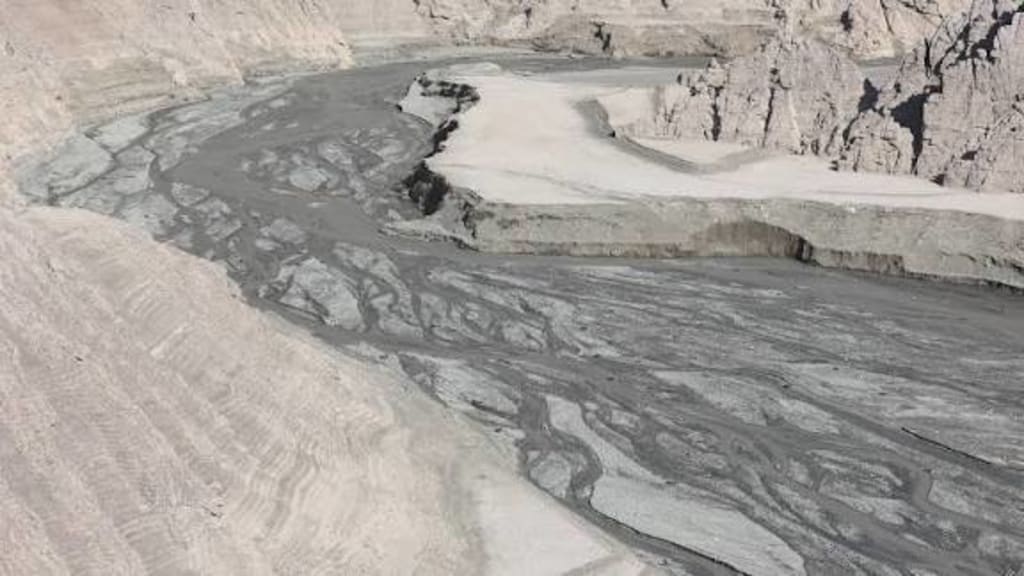
Iran, a country known for its ancient waterways, fertile plains, and engineering marvels such as qanats, is now facing one of the most severe droughts in its modern history. Rivers have dried into cracked riverbeds, reservoirs have dropped to alarming levels, and millions of people are grappling with water shortages that threaten agriculture, power supplies, and daily life. In response, Iran has launched an ambitious and controversial initiative—cloud seeding—in an effort to artificially induce rain.
The move signals a new chapter in the country's battle against climate stress, pushing scientific boundaries while raising questions about long-term sustainability and geopolitical implications. As Iran deploys its aircraft and meteorological teams, the world watches closely to see whether this high-tech strategy will bring relief—or raise new concerns.
A Nation Paralyzed by Water Scarcity
Iran's drought crisis has been building for years, driven by a mix of climate change, mismanagement, and population growth. Annual rainfall has dropped sharply, temperatures have risen, and groundwater—once a reliable source—has been severely depleted through over-extraction.
Key regions such as Isfahan, Yazd, Sistan-Baluchestan, and Khuzestan have witnessed:
Degraded farmland
Dwindling river flows
Dust storms from dried lakebeds
Drinking water shortages
Social unrest in drought-hit towns
Villages have been abandoned, crops have failed, and industries dependent on water have struggled to survive. Iran’s hydropower plants, which supply a significant portion of the country’s electricity, have also suffered due to falling reservoir levels.
Against this backdrop, the government has turned to cloud seeding as an emergency intervention.
---
What Is Cloud Seeding—and Can It Fix the Crisis?
Cloud seeding is a weather modification technique where aircraft or ground-based rockets disperse particles—usually silver iodide or salt—into clouds. These particles act as nuclei around which moisture can condense, forming rain droplets.
For cloud seeding to work, there must already be clouds with adequate moisture. The technique cannot create rain out of clear skies, but it can increase rainfall by 10–20% under favorable conditions.
Iran’s cloud seeding program involves:
Specialized aircraft equipped with flares
Meteorological teams analyzing cloud formations
Targeted missions over drought-stricken provinces
Collaboration between the defense ministry and environmental agencies
Officials say the goal is to strategically boost rainfall in regions where water reserves have reached “danger zones.”
Early Results: Hope and Doubt
Iranian authorities have reported initial signs of success, claiming increased rainfall in specific regions after seeding operations. Videos shared by state media show aircraft deploying flares into thick clouds, followed by showers over parched land.
However, meteorologists and environmental experts remain cautious. Critics argue that:
Cloud seeding is unreliable and weather-dependent
It cannot compensate for decades of water mismanagement
Overreliance on artificial rain may distract from sustainable reforms
Chemicals used in cloud seeding may generate ecological concerns
Some environmentalists warn that cloud seeding, while useful in emergencies, is not a long-term solution. Without structural changes—such as modernizing irrigation, regulating groundwater extraction, and restoring wetlands—artificial rainfall may only provide temporary relief.
Historical Roots and Regional Competition
Cloud seeding is not entirely new to Iran. The country experimented with weather modification in the 1990s and early 2000s but discontinued large-scale programs due to budget constraints and political shifts.
Now, with drought levels reaching critical thresholds, Iran is reviving and expanding the initiative.
Meanwhile, neighboring countries such as the United Arab Emirates and Saudi Arabia have rapidly developed their own cloud seeding programs. As water scarcity intensifies across the Middle East, cloud seeding is becoming a competitive field—sometimes sparking disputes about cross-border weather manipulation.
Some Iranian officials have even accused foreign powers of “stealing clouds” or altering regional weather patterns, though such claims remain unproven.
Social Response: A Mix of Relief and Skepticism
For many ordinary citizens, the sight of rain clouds—natural or induced—is a source of hope. Social media users in drought-hit provinces have welcomed the initiative, sharing videos of long-awaited rainfall.
But the public is also skeptical. Water shortages have persisted for years despite promised reforms. Many villagers still rely on tanker trucks for drinking water, while farmers have been forced to abandon traditional crops.
Cloud seeding may bring short-term showers, but people want long-term stability.
The Larger Challenge Ahead
Iran’s drought is a warning that climate change is reshaping water security across entire regions. Even if cloud seeding produces measurable rain, it cannot restore aquifers, refill major reservoirs, or rebuild damaged ecosystems overnight.
Experts argue that Iran must pair weather modification with deeper strategies:
Large-scale water conservation
Recycling wastewater
Modernizing irrigation systems
Reviving wetlands like Lake Urmia
Reducing water-intensive agriculture
Cloud seeding is a tool—not a cure.
A Bold Experiment in Desperate Times
Iran’s decision to launch widespread cloud seeding reflects the urgency of its drought crisis and its willingness to embrace unconventional solutions. Whether this initiative will provide meaningful relief remains uncertain, but one thing is clear: Iran is racing against time.
Artificial rain may offer momentary hope, but lasting recovery will require comprehensive reforms, regional cooperation, and sustainable environmental policies. In the fight for water, every drop matters—but so does every decision.
About the Creator
Fiaz Ahmed Brohi
I am a passionate writer with a love for exploring and creating content on trending topics. Always curious, always sharing stories that engage and inspire.
Keep reading
More stories from Fiaz Ahmed Brohi and writers in Earth and other communities.
Twelve Shadows of the Moon
For centuries, humanity has gazed at the moon — our glowing companion in the night sky — and seen more than just a satellite orbiting Earth. We’ve seen stories, mysteries, and even reflections of ourselves. Among these mysteries lies a poetic concept whispered across cultures and folklore: “The Twelve Shadows of the Moon.”
By Fiaz Ahmed Brohi4 months ago in Earth
Worth the Wait: Puerto Viejo, Costa Rica
Beach bumming in a small Caribbean beach town sounded like a perfect way to end our 6-month trip through Mexico and Central America. Or so we thought. The foul, fishy stench of rotten seaweed hit our nostrils as we stepped from the cramped bus and looked out at a rather depressing, empty, and underwhelming black sand beach. It was pouring with rain, and we had to quickly fish out our ponchos. We thought, this couldn’t be it, could it?
By Sh*t Happens - Lost Girl Travel5 days ago in Wander



Comments
There are no comments for this story
Be the first to respond and start the conversation.