
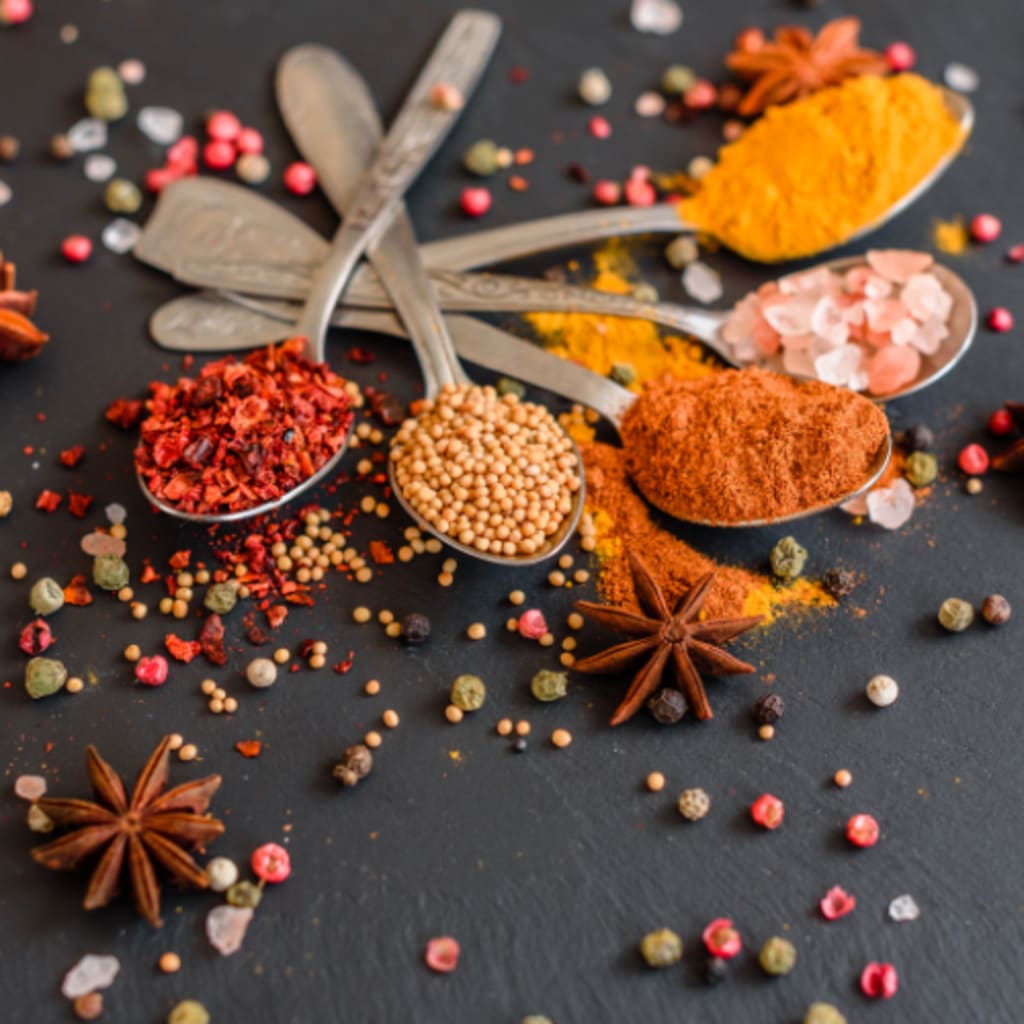
Spices are essential ingredients in every kitchen.
They are the secret to transforming bland dishes into delicious meals. While some spices are well known, such as salt and pepper, there are countless others to choose from. Incorporating these flavorful ingredients into your cooking is easy and can make a big difference in the taste and enjoyment of your meals. This blog will provide tips and ideas for cooking with spices to help you create flavorful and delicious meals.
Please start with the basics: Before diving into exotic spices, it's essential to have some basic spices in your pantry. These include salt, black pepper, garlic powder, onion powder, paprika, cumin, and chili powder. These will help you create various dishes, from grilled meats to soups and stews.
Experiment with spice blends: If you're new to cooking with spices, a great way to start is by using pre-made spice blends. These blends take the guesswork out of seasoning and can add flavor to your meals. Examples of spice blends include Italian seasoning, taco seasoning, and curry powder. Try experimenting with different blends to find the ones you like best.
Be mindful of proportions: Using the right proportions is essential when cooking with spices. Too much spice can overpower a dish, while too little can leave it bland. Generally, start with a small amount of spice and add more as needed. Adding more spices is easier than removing them once they've been added.
Use fresh herbs:
Fresh herbs are a fantastic way to add flavor to your meals. They add a bright, fresh taste to dishes and can make a big difference in the overall taste. Some herbs that work well in cooking include basil, cilantro, parsley, and thyme. Use them to season meats, soups, and stews, or sprinkle them over salads.
Get creative with spices: Spices can be used in many different ways. For example, cinnamon can be added to oatmeal, nutmeg to mashed sweet potatoes, and rosemary to roasted vegetables. Try experimenting with spices in your favorite dishes to create unique flavor combinations.
Make your broth:
Homemade broth is an excellent way to add flavor to soups and stews. It's easy to make and can be customized to your tastes. Simply simmer bones or meat in water with vegetables and spices for several hours. The resulting broth can be used in a wide range of dishes.
Consider the heat:
Some spices, such as cayenne pepper, can add a lot of heat to a dish. If you're cooking for people sensitive to heat, be mindful of the spices you use. Consider using milder spices, such as paprika or cumin, instead.
Store spices properly: Spices lose their potency over time, so storing them properly is essential to keep them fresh. Store spices in a cool, dark place, away from heat and moisture. Please keep them in airtight containers to prevent them from absorbing odors and flavors from other foods.
Understanding the Basics of Spices:
Spices are essential to cooking and can elevate any dish with unique flavors and aromas. Spices are derived from various parts of plants, including roots, stems, seeds, fruits, and flowers, and have been used for centuries for medicinal, culinary, and aromatic purposes. In cooking, spices are often used to enhance the flavor, aroma, and color of food and to add depth and complexity to dishes.
Spices vs. Herbs: What's the Difference?
While spices and herbs are often used interchangeably, they are different. Spices come from the bark, roots, seeds, and fruits of various plants, while herbs come from the leaves of plants. Spices have a more robust flavor, and aroma than herbs and are often used in smaller quantities.
Common Types of Spices and Their Flavor Profiles:
Many spices are available, each with its unique flavor and aroma profile. Here are some of the most common herbs and their flavor profiles:
Cumin: Earthy, nutty, and warm. Cumin is often used in savory dishes like curries, stews, and chili.
Cinnamon: Sweet, warm, and slightly spicy. Cinnamon is commonly used in sweet dishes like desserts and baked goods but can also be used in savory dishes like stews and curries.
Paprika:
Mildly sweet with a subtle smokiness, paprika is often used in dishes like soups, stews, and roasted meats.
Turmeric: Earthy, slightly bitter, and somewhat spicy, turmeric is commonly used in curries and other savory dishes.
Coriander: Citrusy and slightly sweet, coriander is often used in Indian, Mexican, and Thai cuisine.
Ginger: Warm, aromatic, and slightly sweet, ginger is used in both sweet and savory dishes and is a staple in Asian and Indian cuisine.
Nutmeg: Warm, sweet, and slightly nutty. Nutmeg is commonly used in sweet dishes like cakes, pies, and custards.
How to Store Spices Properly to Maximize Freshness and Flavor:
Proper storage is crucial to ensure that spices retain their freshness and flavor. Here are some tips for storing spices:
Store spices in a cool, dry place away from direct sunlight, heat, and moisture.
Keep spices in airtight containers to prevent air and water from entering.
Avoid storing spices in the fridge or freezer, as this can cause condensation and affect the flavor.
Label your spices with the purchase date to know when to replace them.
Store spices away from the stove or oven, as the heat can cause them to lose their flavor and aroma.
Spices are a vital ingredient in cooking and can make any dish more flavorful and aromatic. Understanding the basics of spices, including the differences between spices and herbs, joint types and flavor profiles, and how to store spices properly, can help you make the most of these delicious ingredients in your cooking.
Conclusion:
Cooking with spices is a great way to add flavor to your meals and create delicious dishes. You can create unique flavor combinations with some experimentation and creativity to make your meals stand out. Remember to start with the basics, use fresh herbs, and be mindful of proportions. Experiment with different spice blends, and consider making your broth. And, of course, remember to store your spices properly to keep them fresh and potent. Happy cooking!
About the Creator
Keep reading
More stories from S-B SPICES and writers in Earth and other communities.
Understanding Herbs De Provence Seasoning: A Guide to its Flavor, Uses and Health Benefits
Introduction: What is Herbs De Provence Seasoning? Herbs de Provence seasoning is a traditional blend of herbs that originated in the Provence region of southeastern France. This aromatic blend typically consists of a mix of savory, thyme, oregano, rosemary, and marjoram, but can also include other herbs like basil, fennel, and lavender. Herbs de Provence is a versatile seasoning that can enhance the flavors of various dishes, including meats, vegetables, soups, and stews. In this blog post, we will explore the history and origin of Herbs de Provence seasoning, its ingredients, and flavor profile, how to use it in cooking, and its health benefits.
By S-B SPICES3 years ago in Earth
FPS: Roots and Branches Challenge Winners
The FPS: Roots and Branches Challenge has wrapped up, and gaming enthusiasts around the world are celebrating the winners of this exciting and competitive event. From showcasing incredible skill to creative problem-solving, participants pushed their limits, making the challenge a true testament to the evolving world of first-person shooter (FPS) games.
By Aarif Lashari5 days ago in Earth



Comments