
Inside The Story of 1990 Mecca tunnel tragedy
The worst day in the history of Hajj

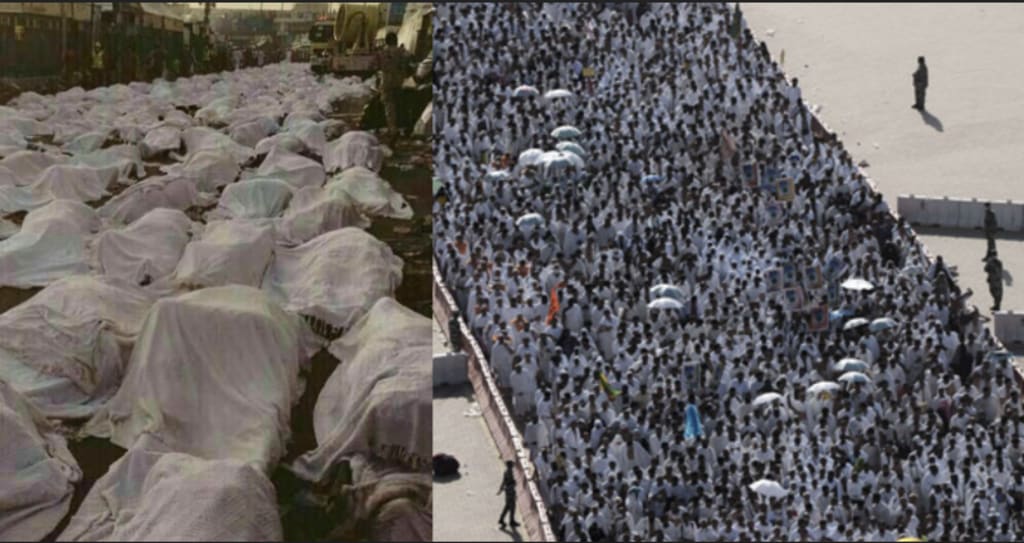
One of the fundamental pillars of Islam entails that every believer is duty-bound to undertake the Hajj pilgrimage at least once in their lifetime. This annual pilgrimage commences and culminates in the holy city of Mecca, situated in present-day Saudi Arabia.
Officially published statistics from 2000 to 2019 indicate that the average number of attendees at Hajj is 2,269,145 per year. Out of this, 1,564,710 individuals come from outside Saudi Arabia, while 671,983 are local participants.
The exact dates of Hajj vary from year to year because the Islamic calendar is based on the lunar cycle, which is about 11 days shorter than the solar year.
1990 Mecca tunnel Calamity
July 3, 1990 is widely regarded as one of the most tragic days in the history of stampedes. On that fateful day, a panic erupted in a tunnel in Mecca, Saudi Arabia, resulting in a stampede that claimed the lives of 1,426 pilgrims.
This was one of the deadliest Hajj disasters, with a significant number of victims hailing from Malaysia, Indonesia, Pakistan, and the local area. The event sent shockwaves around the world and remains a haunting reminder of the dangers that can arise in large crowds.
The Background Story
The tragic incident unfolded within the confines of Tunnel Al-Ma'aisim, a pedestrian passageway that spanned a length of 550 meters and a width of 10 meters. This tunnel served as a vital route connecting Mecca to Mina and the Plains of Arafat. It was within these walls that the catastrophic event occurred, claiming the lives of 1,426 individuals.
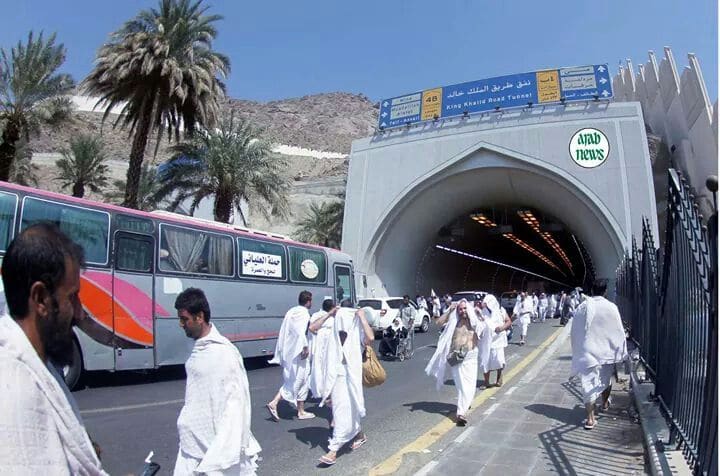
The tragedy unfolded as the pilgrims were en route to performing the sacred ritual of Stoning of the Devil at 10:00 a.m. In a fateful turn of events, a pedestrian bridge railing was bent, causing seven individuals to plummet off the bridge and land on those who were exiting the tunnel. This marked the beginning of the catastrophic disaster that claimed the lives of 1,426 people.
Coincidentally, at the same time when the pilgrims were making their way through the tunnel, a pedestrian overhead bridge with a damaged railing gave way, causing seven individuals to fall off and land on those exiting the tunnel. This unfortunate incident marked the beginning of the catastrophic disaster that resulted in the loss of 1,426 lives.
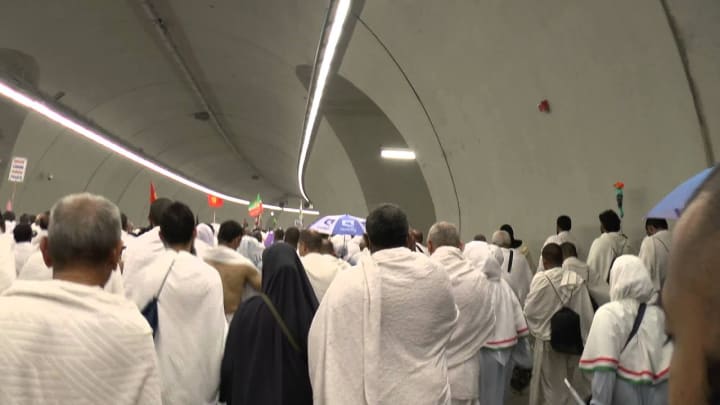
The unexpected fall of the seven individuals from the bridge created a sudden surge of panic among the already tightly packed tunnel, which was accommodating 5,000 people despite having a capacity of only 1,000.
The victims of the disaster were primarily of Malaysian, Indonesian and Pakistani origin. As per a Malaysian account, around 80 percent of the fatalities occurred outside the tunnel, while approximately 20 percent (roughly 285) lost their lives inside the tunnel.
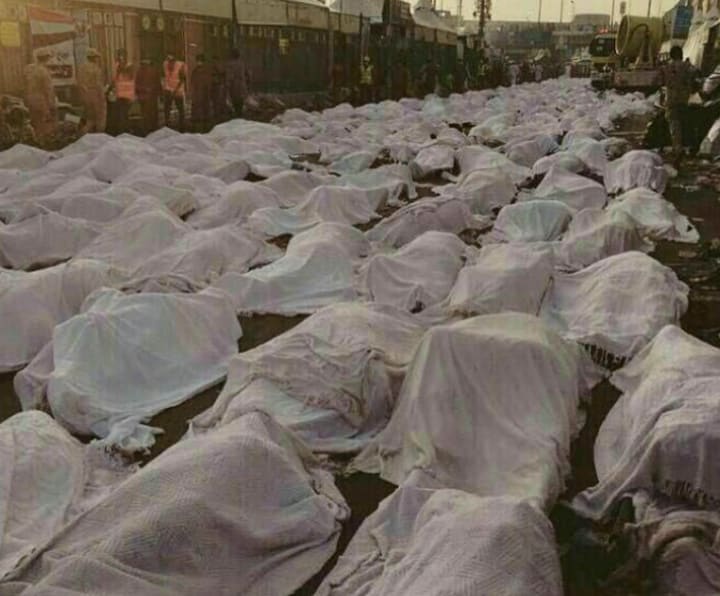
In addition to the catastrophic incident, the pilgrims also had to contend with other challenges that added to their terror. The scorching heat outside, which reached temperatures as high as 44°C, coupled with poor ventilation inside the tunnel, exacerbated the situation. Furthermore, a sudden power cut plunged the already overcrowded tunnel into darkness, further intensifying the fear and panic among the pilgrims.
Aftermath
In the aftermath of the disaster, King Fahd made a statement declaring the event as "God's will, which is above everything." He further added that if the pilgrims had not died in the tunnel, they would have passed away elsewhere at the same predestined moment.
The disaster claimed the lives of around 680 Indonesians, and the Indonesian officials held the Saudi government accountable for the tragedy. They criticized the government, stating that it could not absolve itself of responsibility for the tunnel disaster by simply labeling it as an act of God.
About the Creator
Rare Stories
Our goal is to give you stories that will have you hooked.
This is an extension of the Quora space: Rare Stories
X(formerly Twitter): Scarce Stories
Writers:
....xoxo
Keep reading
More stories from Rare Stories and writers in Earth and other communities.
British Airways Flight 5390: The Miraculous Survival of a Captain
On June 10, 1990, British Airways Flight 5390 experienced a terrifying incident when the cockpit windshield blew out, causing the captain to be partially sucked out of the aircraft. Despite the severity of the situation, the quick thinking and heroic actions of the crew and passengers led to the safe landing of the aircraft and the miraculous survival of the captain.
By Rare Stories3 years ago in Earth
China Cracks Down on Ships Using Starlink
A New Front in China’s Technology Control China has intensified its crackdown on ships using Starlink, the satellite internet service operated by Elon Musk’s SpaceX, signaling a sharp escalation in Beijing’s efforts to control information flows and foreign technology. Authorities have warned commercial vessels, fishing boats, and private operators against using unapproved satellite communication systems, citing national security and data sovereignty concerns.
By Aarif Lashari4 days ago in Earth



Comments
There are no comments for this story
Be the first to respond and start the conversation.