
Inside the Chernobyl Exclusion Zone: Exploring the World's Most Dangerous Tourist Destination
The Chernobyl Exclusion Zone, a place where time stopped in 1986, nature is reclaiming its turf, and radiation tours offer a unique blend of history, science, and spine-tingling exploration.

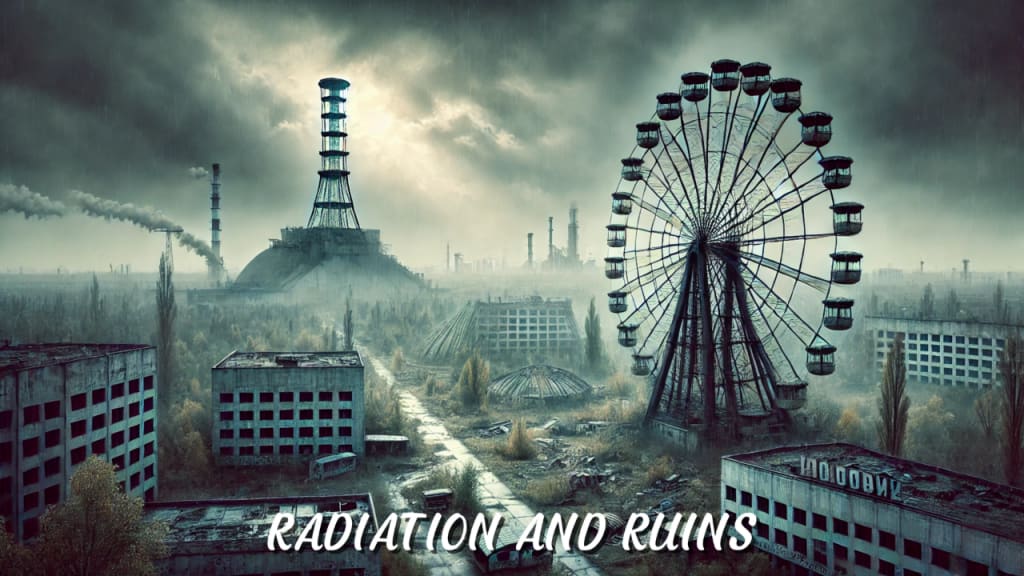
If the idea of walking through a radioactive wasteland sounds more like a horror movie plot than a vacation plan, think again. The Chernobyl Exclusion Zone, once the site of the world’s worst nuclear disaster, has transformed into a grim yet oddly captivating tourist destination. Thousands of adventurous travelers flock here every year, armed with Geiger counters, a dash of morbid curiosity, and a lot of questions: Is it safe? What’s it like? And why would anyone voluntarily visit a radioactive ghost town?
Let’s dive into the Exclusion Zone, a place where time stopped in 1986, nature is reclaiming its turf, and radiation tours offer a unique blend of history, science, and spine-tingling exploration.
What is the Chernobyl Exclusion Zone?
The Chernobyl Exclusion Zone is a 30-kilometer radius around Reactor 4 of the Chernobyl Nuclear Power Plant in northern Ukraine. This is where, on April 26, 1986, a catastrophic explosion and fire spewed radioactive material into the atmosphere, forcing the evacuation of nearby towns, including the now-infamous Pripyat.
The zone was initially established as an uninhabitable area to contain radiation, but over time, it has evolved into a surreal mix of desolation and resilience. While some areas remain dangerously radioactive, others have radiation levels deemed low enough for brief human exposure. This has allowed for the rise of official guided tours—and an influx of daring tourists.
What Can You Expect on a Chernobyl Radiation Tour?
1. The Eerie Ghost Town of Pripyat
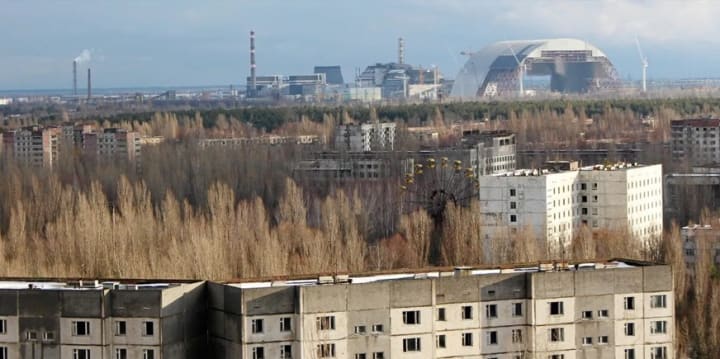
Pripyat is the Exclusion Zone’s crown jewel—or perhaps its most haunting artifact. Once a thriving city built to house plant workers and their families, it was evacuated in just two days following the disaster. Today, it’s a time capsule of Soviet life, complete with decaying apartment blocks, an overgrown amusement park, and a still-standing Ferris wheel that never got to spin.
Walking through Pripyat feels like stepping into an apocalyptic movie set. There’s something both chilling and fascinating about seeing abandoned toys, dusty textbooks, and rusting signs that hint at a life abruptly interrupted. It’s as if the entire town collectively said, “We’ll be right back,” and then… never returned.
2. The Reactor That Changed the World
Tours typically take you close to Reactor 4, the epicenter of the disaster. While visitors can’t get too close (thanks to the radiation levels), you’ll see the massive sarcophagus and New Safe Confinement structure that now encase the reactor. This is ground zero for one of humanity’s gravest mistakes—and a stark reminder of the risks of nuclear power.
Pro Tip: Keep your Geiger counter handy here. If it starts beeping like crazy, it’s time to back away.
3. Nature’s Unexpected Comeback
One of the most surprising features of the Exclusion Zone is how nature has flourished in the absence of human activity. Wild boars, wolves, and even endangered species like the Przewalski’s horse roam freely here, seemingly unfazed by the lingering radiation.
While it’s tempting to view this as nature’s victory, scientists caution that these animals carry genetic mutations and other radiation-induced effects. Still, the sight of a lush forest overtaking crumbling buildings is both creepy and beautiful.
4. A Crash Course in Radiation
Your tour will include plenty of science, with guides explaining how radiation spreads, how it’s measured, and how the Exclusion Zone remains a case study for nuclear accidents. You’ll likely carry a dosimeter, a gadget that measures your radiation exposure throughout the trip.
The good news? Short-term visits are considered safe, as radiation levels in the areas tourists visit are comparable to those experienced during a long-haul flight. So technically, spending a day in Chernobyl is no worse for you than binge-watching Netflix on a transatlantic flight.
5. The Human Stories
Chernobyl’s story isn’t just about science; it’s also about people. You’ll hear tales of heroism, like the firefighters who rushed to the reactor with little understanding of the dangers, and heartbreak, like the residents who left everything behind, believing they’d return in a few days.
Some tours even include encounters with the “self-settlers,” a small group of elderly residents who returned to their homes in defiance of evacuation orders. Their resilience—and stubbornness—is as fascinating as it is inspiring.
Is It Safe to Visit Chernobyl?
Safety is the number-one concern for most would-be visitors, and for good reason. The Exclusion Zone isn’t exactly a walk in the park.
That said, official tours are tightly regulated, and guides ensure you stick to low-radiation paths. You’ll also go through radiation checks before leaving the zone to ensure you haven’t picked up any “souvenirs.”
Fun Fact: Tourists are advised not to touch anything, especially moss, which is great at absorbing radiation. So no Instagram selfies hugging the trees!
Inside the Chernobyl exclusion zone (2014) | 60 Minutes Archive
Why Visit the Chernobyl Exclusion Zone?
Chernobyl isn’t just a tourist destination; it’s a powerful reminder of humanity’s capacity for both innovation and error. It’s a place where history, science, and nature intersect, offering lessons about our impact on the world—and the resilience of the planet in the face of catastrophe.
For many, it’s also about confronting fear. There’s something undeniably thrilling about stepping into a place that, for decades, was synonymous with danger and disaster. Think of it as the ultimate “extreme travel” experience—minus the bungee jumping.
The Ethical Debate
Not everyone agrees with turning Chernobyl into a tourist hotspot. Critics argue that it commodifies tragedy, turning a disaster site into a theme park. Others counter that these tours educate visitors about nuclear safety and the human cost of technological hubris.
As with any controversial destination, it’s important to approach your visit with respect and sensitivity.
Final Thoughts: A Journey Through the Past (and Radioactivity)
The Chernobyl Exclusion Zone is not your average travel destination. It’s a place where abandoned Ferris wheels creak in the wind, where wildlife thrives against the odds, and where the echoes of a nuclear catastrophe still linger in the air.
Whether you’re a history buff, a science geek, or just someone with a taste for the eerie and unusual, Chernobyl offers an unforgettable experience. Just remember to follow the rules, stick with your guide, and maybe hold off on licking any radioactive moss.
Because when it comes to Chernobyl, the real souvenir is the story you’ll bring home—a tale of resilience, caution, and the strange beauty of a world left to its own devices.
About the Creator
Keep reading
More stories from Marveline Merab and writers in Earth and other communities.
Danakil Depression, Ethiopia: Earth's Most Alien Landscape
Imagine a place so blisteringly hot, so bizarrely colorful, and so inhospitable that it looks like it was plucked straight from an alien planet. Welcome to the Danakil Depression in Ethiopia, where Mother Nature decided to go all out on her surrealist phase. Known as one of the most extreme environments on Earth, this geological wonder is a fascinating blend of beauty, danger, and mystery.
By Marveline Merababout a year ago in Earth
Time Out Market to Close in Fulton Market
After years of drawing locals and tourists alike to Fulton Market, Time Out Market Chicago is set to close its doors. The popular food hall, known for bringing together some of the city’s best chefs, artisans, and culinary experiences under one roof, has announced that it will cease operations later this year. The closure marks the end of an era for one of Chicago’s most vibrant dining destinations and reflects broader trends in the restaurant and hospitality industry that have reshaped urban dining spaces over the past decade. The Rise of Time Out Market in Fulton Market Time Out Market first opened in Chicago’s Fulton Market District in 2019, quickly gaining a reputation as a destination where visitors could sample some of the city’s most celebrated chefs and street‑food vendors all in one place. The market followed a model that had already been successful in cities like Lisbon and New York: a curated collection of high-quality, chef-driven eateries, communal seating areas, and a lively atmosphere that combined dining with culture and entertainment. Located in a district already famous for its mix of historic meatpacking warehouses and trendy loft conversions, Time Out Market quickly became a hub for both food lovers and tourists seeking an authentic Chicago experience. (timeoutmarket.com) Why the Closure Is Happening While the exact reasons behind the closure are complex, several key factors appear to have contributed: 📉 Shifting Consumer Behavior The COVID-19 pandemic dramatically changed dining habits, with many customers moving toward delivery, takeout, and smaller neighborhood restaurants rather than large food halls. Even as in-person dining rebounded, some communal spaces struggled to maintain consistent foot traffic. 💰 Operational Costs Maintaining a high-quality, multi-vendor space in Fulton Market comes with significant overhead, from leasing costs to staffing and compliance with city regulations. Rising costs for ingredients, labor, and real estate have challenged profitability. 🌆 Urban Development Trends Fulton Market has evolved rapidly, attracting corporate offices, luxury condos, and boutique hotels. While the area’s growth has been positive for real estate, it has also intensified competition for dining options and raised expectations for commercial spaces, putting additional pressure on large-scale food halls. Impact on Local Vendors and Chefs One of the hallmarks of Time Out Market was its curated roster of local vendors. From acclaimed pastry chefs to innovative street-food vendors, many found a platform at Time Out Market that allowed them to reach a wide audience without the overhead of opening a standalone restaurant. The closure will leave dozens of small business owners seeking new spaces or alternative ways to reach their customers. While some may move to other neighborhoods or pop-up concepts, others may struggle to find affordable options in the city’s increasingly expensive food scene. For food lovers, the market’s closure means the loss of a one-stop destination to sample a variety of Chicago’s culinary talent in a single, vibrant location. The Cultural Significance Time Out Market was more than just a food hall—it was a social and cultural gathering place. Its communal tables encouraged interaction, its events showcased local music and arts, and its central location made it a natural meeting point for tourists and locals alike. For many, it represented the spirit of Chicago’s Fulton Market district: a place where history, innovation, and creativity intersected. Its closure will leave a gap not only in dining options but in the neighborhood’s cultural fabric. Industry Experts Weigh In Analysts note that the closure of Time Out Market is part of a broader trend affecting large-scale food halls across the U.S.. While some continue to thrive, particularly in cities with high tourist traffic or strong corporate sponsorship, others have struggled to adapt to post-pandemic consumer habits. In interviews with hospitality experts, several key points emerged: Adaptability Is Key: Food halls that survive often offer flexible layouts, hybrid dining and retail options, or smaller-footprint satellite locations. Experience Still Matters: While convenience and takeout are important, consumers continue to seek memorable experiences. Large markets must find ways to balance these two priorities. Local Partnerships Help: Collaboration with local businesses, breweries, and cultural institutions can drive consistent traffic and community engagement. What’s Next for Fulton Market? The closure of Time Out Market opens up opportunities for other businesses. Fulton Market remains a hotspot for culinary innovation, with new restaurants, bars, and pop-up venues continuing to open each year. Some industry insiders speculate that the space may be repurposed for smaller, boutique eateries, event spaces, or mixed-use commercial developments that cater to the neighborhood’s evolving demographics. Others believe the closure may inspire new concepts that combine food, culture, and technology in innovative ways. Reflections from Visitors For regular patrons, the news is bittersweet. Many recall their first visits to Time Out Market—sampling different cuisines, sharing tables with strangers, or attending weekend events. Social media posts following the announcement highlighted memories of birthday celebrations, first dates, and casual gatherings, underscoring the market’s role in the city’s social life. “It was our go-to spot for trying new chefs,” one visitor commented. “It’s sad to see it go, but we’re hoping whatever comes next keeps that spirit alive.” Conclusion: The End of an Era, and the Beginning of Something New The closure of Time Out Market in Fulton Market represents the end of a significant chapter in Chicago’s food and cultural scene. While it may be disappointing for fans and vendors alike, it also reflects broader trends shaping urban dining, commercial real estate, and consumer behavior. As the neighborhood continues to grow and evolve, there’s hope that new concepts will emerge, preserving the community-focused, culinary-driven spirit that made Time Out Market special. In the meantime, Chicagoans and visitors alike will treasure the memories and flavors that the market brought to Fulton Market, even as the city’s food scene moves forward into a new chapter.
By Muhammad Hassan3 days ago in Earth
Greenland News
Greenland News Greenland has increasingly drawn global attention in recent years due to its political developments, environmental changes, and growing strategic importance. As the world looks more closely at the Arctic region, news from Greenland reflects a unique mix of local priorities and international interest. From climate-related challenges to economic opportunities and governance issues, Greenland continues to shape its own path while remaining closely connected to global affairs.
By America today about 4 hours ago in Earth



Comments
There are no comments for this story
Be the first to respond and start the conversation.