
Inferno Unleashed
The Global Conflagration and its Unyielding Grip on Climate Change

Once upon a time, in the not-so-distant past, the world was gripped by an unprecedented wave of devastating fires. It began with a spark in the heart of a dense forest, and before long, the flames spread like wild beasts, consuming everything in their path. What initially seemed like a localized incident quickly transformed into a global catastrophe, as flames erupted in various corners of the world.
The fires raged across continents, leaving behind a trail of destruction and despair. Thick plumes of smoke choked the skies, blotting out the sun and casting an eerie, apocalyptic gloom over once-vibrant landscapes. Flames devoured forests, engulfing ancient trees that had stood tall for centuries. Wildlife habitats were decimated, leaving countless species teetering on the brink of extinction. The delicate balance of nature was disrupted, and the repercussions were felt far and wide.
As the fires blazed on, their impact on climate change became increasingly apparent. The immense amounts of carbon dioxide released into the atmosphere only exacerbated the already dire situation. Greenhouse gases, trapped in the Earth's atmosphere, acted as a thick blanket, trapping heat and exacerbating global warming. The delicate equilibrium of our planet was disrupted, and the consequences were felt in every corner of the globe.
The scorching heat fueled by the fires intensified weather patterns, leading to extreme droughts and heatwaves. Once-fertile agricultural lands turned into arid wastelands, leaving farmers and communities grappling with food shortages. Rivers and lakes evaporated, further exacerbating the water crisis. The fires not only destroyed ecosystems but also disrupted the delicate water cycle, leaving communities parched and vulnerable.
In addition to the immediate devastation, the fires unleashed a vicious cycle of destruction. As the flames consumed forests, the loss of trees meant a significant reduction in the planet's capacity to absorb carbon dioxide through photosynthesis. This, in turn, further amplified the levels of greenhouse gases in the atmosphere, intensifying global warming. The fires had unleashed a self-perpetuating cycle that threatened the very foundation of life on Earth.
The world stood united in the face of this catastrophic event, as nations came together to battle the infernos. Firefighters, emergency responders, and volunteers worked tirelessly, risking their lives to control the blazes. Aerial firefighting efforts were mobilized, with water-bombing aircrafts crisscrossing the skies, desperately trying to douse the flames. Despite their valiant efforts, the scale of the fires proved overwhelming, pushing humanity to the brink of despair.
As the fires continued to rage, the global community awakened to the urgent need for action. Governments, scientists, and environmental organizations intensified their efforts to combat climate change. Stricter regulations were put in place to reduce greenhouse gas emissions. Renewable energy sources were embraced, and innovative technologies aimed at mitigating climate change were developed. The fires served as a painful wake-up call, igniting a global movement to protect our planet.
The road to recovery was long and arduous. Communities devastated by the fires had to rebuild, not only their homes but also their lives. Reforestation efforts were launched on an unprecedented scale, aiming to restore the once-thriving ecosystems. New initiatives were established to support affected wildlife populations, ensuring their survival and promoting biodiversity.
Slowly but surely, the scars left by the fires began to heal. It was a stark reminder of the delicate balance of our planet and the need for collective action to address climate change. The devastating fires served as a grim testament to the urgency of our times, reminding us that the decisions we make today will shape the world of tomorrow.
As the flames finally...
As the flames finally subsided and the world took stock of the devastating fires, a somber realization settled upon humanity. The impact of the infernos on climate change had been profound and irreversible. The delicate ecosystems ravaged by the fires struggled to recover, their biodiversity forever altered. The loss of countless species left a void that could never be filled.
The scars left by the fires on the Earth's surface were a haunting reminder of the consequences of our inaction. The global temperature continued to rise, ice caps melted, and sea levels surged, threatening coastal communities. Extreme weather events became more frequent and severe, pushing vulnerable regions to the brink of disaster. The world had become a place of uncertainty and despair.
Efforts to combat climate change, though valiant, proved insufficient to reverse the damage caused by the fires. The world witnessed the dire consequences of our negligence and shortsightedness. It was a painful lesson, one that came at a tremendous cost.
The stories of heroism and resilience amidst the chaos would be etched into history. The selflessness of firefighters and the tireless efforts of communities would be remembered. But the scars of the fires would forever serve as a stark reminder of the urgency with which we needed to address climate change.
As the world mourned the irreparable loss caused by the devastating fires, a collective determination arose. It was a determination to learn from the past, to unite as a global community, and to take swift and decisive action. The infernos had exposed the fragility of our planet, but they had also ignited a fire within humanity—a fire of hope and determination to preserve the Earth for future generations.
The devastating fires of the past had altered the course of history. They had become a turning point, a catalyst for change. The world rallied behind the need for renewable energy, sustainable practices, and the protection of our fragile ecosystems. Governments and individuals alike committed to reducing greenhouse gas emissions, embracing innovation, and fostering a culture of environmental stewardship.
As years turned into decades, the scars of the devastating fires faded, but the memories and lessons remained etched in the collective consciousness. The world had witnessed the destructive power of fires fueled by climate change. It had experienced firsthand the consequences of our actions and the urgency to act.
And so, humanity persevered, driven by the hope that, despite the irreparable damage caused by the fires, we could still forge a sustainable future. It was a future where the fires of destruction were replaced by the fires of resilience and renewal. It was a future where the devastating flames served as a poignant reminder of the power of collective action, of our responsibility to protect and cherish the only home we have—our fragile planet Earth.
About the Creator
Sanela M.
In the heart of Germany, a Canadian girl immersed herself in books, absorbing stories from diverse perspectives. Now, armed with wisdom, she concludes that empathy, acceptance, and unity can heal our fractured world. 🌍❤️
Old Red Cedar
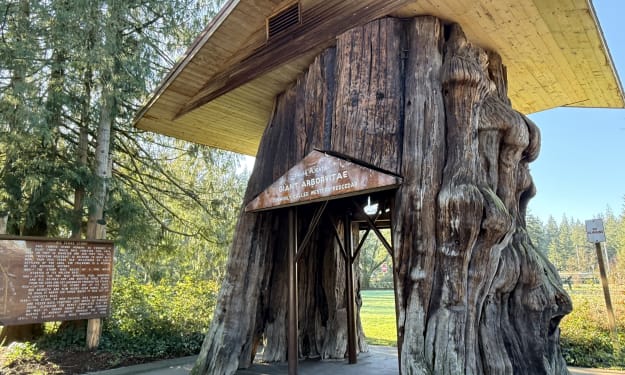
Western red cedar, over 1000 years old, you grew for 200 years and towered over others, silently observing sights in the forest that are no more, your secrets buried within your spirit. The bark covering your tree trunk, said to be about 23 feet around, was hollow when men discovered you. Inside the hollow trunk, a fire somehow began; you cannot tell us when, how, or why, and there is no record of it. The fire caused your death. Slowly, you died, from the inside out. Such a sad loss for an old soul of the forest, with centuries of knowledge in its cells. Houses, watercraft, shingles, bowls, bows and arrows, and paper that men used to write what they knew of your history could have been made from your body, branches, and bark. Truly, fire was a better death for you than a logger’s saw.
By Andrea Corwin 3 days ago in Earth


Comments
There are no comments for this story
Be the first to respond and start the conversation.