
In the Footsteps of Explorers
In the Footsteps of Explorers: Rediscovering Lost Civilizations
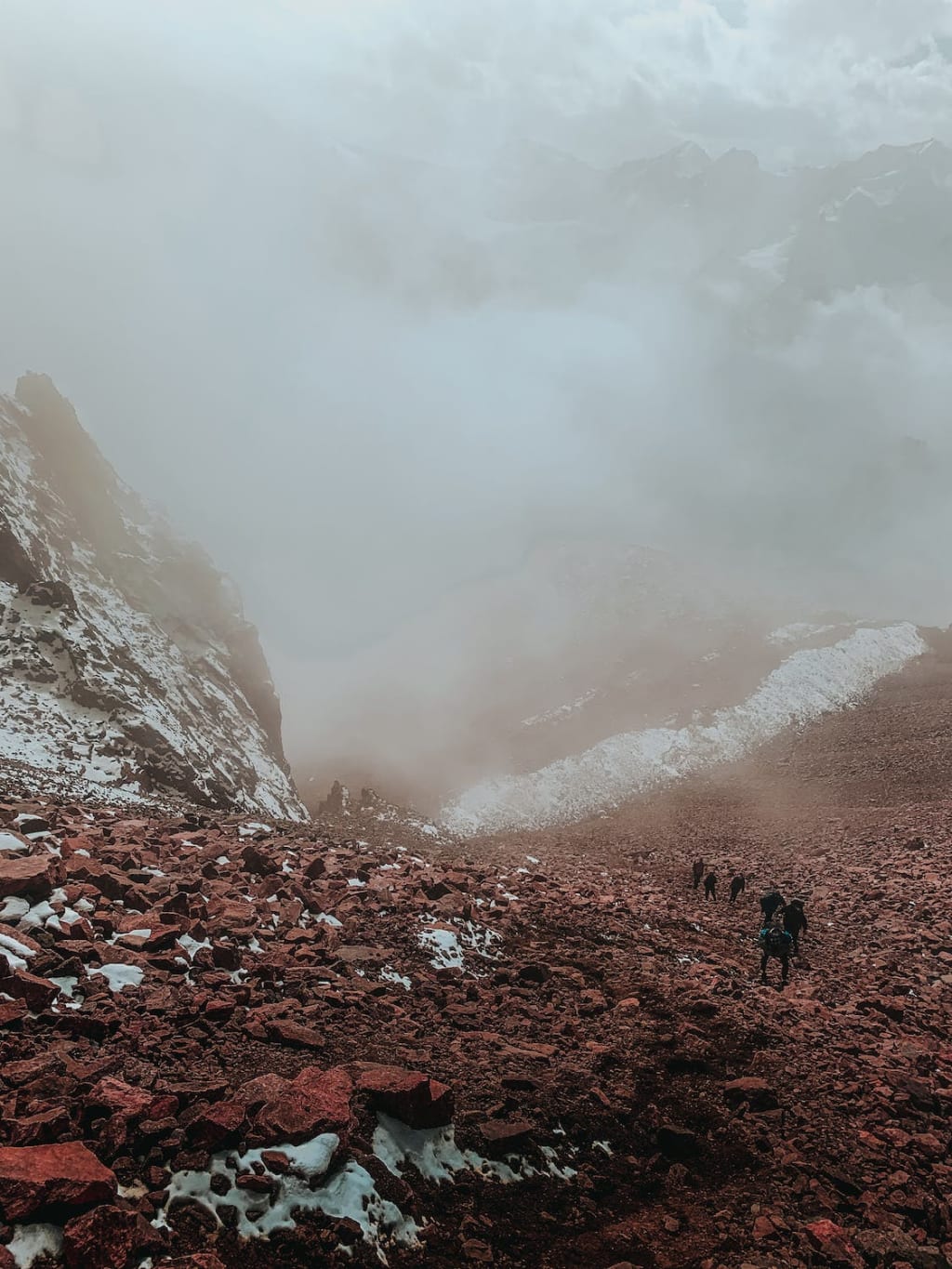
Throughout history, intrepid explorers have ventured into the unknown, uncovering the remnants of ancient civilizations that were lost to time. From the mighty pyramids of Egypt to the enigmatic ruins of Machu Picchu, these archaeological discoveries have captivated our imaginations and provided valuable insights into the rich tapestry of human history. In this article, we embark on a journey in the footsteps of explorers, rediscovering the lost civilizations that have left an indelible mark on our collective heritage.
1. The Lost City of Petra, Jordan:
Nestled within the rugged canyons of southern Jordan, the Lost City of Petra stands as a testament to the ingenuity and grandeur of the Nabataean civilization. Carved into pink sandstone cliffs, this ancient city flourished as a crucial junction on the ancient Silk Road. As you walk through the narrow Siq, a natural rock formation that leads to the city's entrance, prepare to be awestruck by the iconic Treasury building and the intricate facades of the Royal Tombs. The rediscovery of Petra in the early 19th century by Swiss explorer Johann Ludwig Burckhardt reignited interest in ancient civilizations and sparked a fascination that continues to this day.
2. Angkor Wat, Cambodia:
Hidden beneath dense jungle foliage in Cambodia, the sprawling temple complex of Angkor Wat was once the heart of the Khmer Empire. Built in the 12th century, this UNESCO World Heritage site showcases intricate carvings, towering spires, and architectural brilliance. The rediscovery of Angkor Wat by French explorer Henri Mouhot in the 19th century introduced the world to the majesty of Khmer civilization. Today, visitors can wander through the temple complex, marvel at the intricate bas-reliefs depicting mythological scenes, and witness the surreal beauty of the sunrise over the iconic main temple.
3. Teotihuacan, Mexico:
Located just outside modern-day Mexico City, the ancient city of Teotihuacan thrived as one of Mesoamerica's most significant cultural and religious centers. Its monumental pyramids, the Pyramid of the Sun and the Pyramid of the Moon, dominate the landscape, evoking a sense of awe and wonder. The city's original inhabitants and their civilization remain shrouded in mystery, with their identity and language still debated by scholars. Rediscovered and extensively studied in the 19th and 20th centuries, Teotihuacan continues to be a source of fascination and a testament to the advanced architectural and urban planning skills of its builders.
4. Göbekli Tepe, Turkey:
Dating back over 12,000 years, Göbekli Tepe in southeastern Turkey is considered one of the most important archaeological discoveries of our time. This ancient site predates Stonehenge and the Great Pyramids of Egypt, challenging our understanding of early human civilization. Carved stone pillars adorned with intricate animal reliefs stand as enigmatic remnants of a sophisticated society that existed during the end of the last Ice Age. The rediscovery and ongoing excavation of Göbekli Tepe have revolutionized our understanding of the development of complex societies and the origins of organized religion.
5. The Moai of Easter Island, Chile
The rediscovery and study of Easter Island by Dutch explorer Jacob Roggeveen in 1722 brought this remote island and its mysterious statues to the attention of the world. Today, visitors can witness the Moai standing stoically, gazing out towards the vast Pacific Ocean. Exploring the island's ancient ceremonial sites and learning about the unique culture and history of the Rapa Nui people is a truly mesmerizing experience.
Conclusion:
The quest to rediscover lost civilizations and unravel the mysteries of the past continues to inspire explorers and archaeologists alike. These ancient sites serve as a testament to human ingenuity, creativity, and the enduring legacy of past cultures. Through the tireless efforts of explorers throughout history, we have gained invaluable insights into the lives, beliefs, and achievements of our ancestors.
By following in the footsteps of these intrepid explorers, we can experience the wonder and awe of rediscovering these lost civilizations firsthand. These archaeological sites not only offer breathtaking beauty and architectural marvels but also provide glimpses into the daily lives and cultural practices of past civilizations.
As we explore these ancient sites, let us also remember the importance of preserving and protecting these fragile remnants of history for future generations. Responsible tourism, research, and conservation efforts are crucial in ensuring that these treasures continue to inspire and educate us.
So, venture forth and embark on your own journey in the footsteps of explorers. Immerse yourself in the history, marvel at the architectural feats, and let your imagination soar as you rediscover the lost civilizations that have shaped our world. From Petra to Angkor Wat, Teotihuacan to Göbekli Tepe, and Easter Island to countless other sites around the globe, the past awaits your exploration, ready to unveil its secrets and enrich your understanding of the human story.
About the Creator
Keep reading
More stories from Meghan Jensen and writers in Earth and other communities.
Traveling Solo: Embracing the Adventure of Solo Female Travel
n recent years, solo female travel has gained immense popularity as more women around the world embrace the freedom and empowerment of exploring new destinations on their own. From the thrill of navigating unfamiliar streets to the opportunity for self-discovery and personal growth, traveling solo as a woman is a transformative experience. In this article, we celebrate the joys and advantages of solo female travel, while providing essential tips to ensure a safe and fulfilling journey.
By Meghan Jensen3 years ago in Earth
“Are You Dead?”: A New App Reflects the Loneliness of Young Chinese Living Alone
In China’s rapidly changing cities, living alone is no longer unusual—especially among young adults pursuing education, careers, and independence. But as solo living increases, so do concerns about isolation, safety, and what happens when no one is around to check in. Against this backdrop, a new app with a blunt, unsettling question—“Are you dead?”—has captured public attention and ignited debate. Despite its shocking name, the app is not designed to provoke fear. Instead, it aims to address a practical and emotional gap in modern urban life: how to ensure the well-being of people who live alone, and how technology is stepping in where traditional community networks have weakened. The Rise of Solo Living in China China has witnessed a dramatic shift in household structures over the past two decades. Urbanization, delayed marriage, rising housing costs, and changing cultural values have contributed to a growing number of single-person households, particularly among people in their 20s and 30s. For many young Chinese professionals, living alone represents freedom and self-reliance. It allows flexibility, privacy, and independence from family expectations. Yet this independence often comes with trade-offs: fewer daily social interactions, weaker neighborhood ties, and limited support in emergencies. In megacities like Beijing, Shanghai, and Shenzhen, it is increasingly common for neighbors not to know each other at all. In this environment, concerns about what happens if someone becomes ill, injured, or simply disappears from daily routines have become more pronounced. What the App Actually Does Despite its provocative name, the app’s purpose is surprisingly simple. It functions as a digital check-in system. Users set regular times to confirm they are okay—by tapping a notification or completing a brief check-in. If the user fails to respond after a certain period, the app automatically alerts designated contacts, such as friends, family members, or emergency responders. The stark question, “Are you dead?”, is intentionally designed to grab attention and prompt action. Developers argue that softer language is often ignored, while blunt phrasing cuts through digital noise and encourages consistent use. In essence, the app acts as a safety net, especially for people who live alone and may not have daily contact with others. Why Young People Are Downloading It The app’s popularity reflects deeper anxieties among young adults navigating modern life. Many users say they downloaded it not because they fear the worst every day, but because it provides peace of mind—both for themselves and for loved ones. For parents living far from their children, the app offers reassurance without constant phone calls. For users, it creates a sense of being quietly watched over, without sacrificing independence. Some users have also described the app as a form of emotional comfort. Even a routine notification can feel like a reminder that someone, somewhere, would notice if they vanished from daily life. A Name That Sparked Debate The app’s name has been its most controversial feature. Critics argue that the phrase “Are you dead?” is unnecessarily harsh and reflects a growing desensitization in digital culture. Others worry that such language could amplify anxiety rather than reduce it. Supporters, however, see the name as a reflection of reality rather than a provocation. In densely populated cities where people can go unnoticed for days or weeks, the question is uncomfortable—but relevant. They argue that avoiding blunt language does not eliminate the underlying problem of isolation. The debate highlights a broader tension in tech design: Should apps prioritize emotional sensitivity, or practical effectiveness—even if it makes people uncomfortable? Technology Filling a Social Gap The rise of this app points to a larger issue: technology increasingly compensates for weakened social structures. In the past, extended families, close-knit neighborhoods, and workplace communities naturally checked in on individuals. Today, those informal safety nets are often absent. Apps like this one are not just tools; they are symptoms of a society where digital solutions are replacing human presence. While convenient, this raises questions about whether technology is addressing the root causes of loneliness—or simply managing its consequences. Still, for many users, the app is not a replacement for relationships, but a supplement to modern life realities. Living Alone Does Not Mean Wanting to Be Alone An important takeaway from the app’s success is that living alone is not the same as wanting isolation. Many young Chinese adults value independence but still crave connection, security, and acknowledgment. The app’s routine check-ins, though minimal, provide a structured moment of contact. In a fast-paced, high-pressure environment, even small gestures of recognition can matter. This trend also reflects changing attitudes toward mental well-being and personal safety. Younger generations are more open to discussing vulnerability and using tools that previous generations might have dismissed. What This Says About Modern Urban Life The popularity of an app that asks such a stark question speaks volumes about the realities of contemporary urban living—not just in China, but globally. As cities grow larger and lives become more individualized, people are searching for new ways to ensure they are seen, remembered, and protected. The app’s success suggests that people are willing to engage with uncomfortable ideas if they address real needs. It also underscores the importance of designing technology that is honest about modern challenges, rather than masking them with euphemisms. Conclusion: A Wake-Up Call, Not a Warning While the phrase “Are you dead?” may sound alarming, the app behind it is less about fear and more about care. It reflects a generation navigating independence in a world where traditional support systems no longer function as they once did. Rather than signaling a morbid obsession, the app serves as a quiet reminder of something deeply human: the need to be noticed. In that sense, its blunt question is not about death at all—but about presence, connection, and the reassurance that someone would check if you were gone. As solo living continues to rise, tools like this app may become less shocking and more commonplace—symbols of how society adapts to changing ways of life in the digital age.
By Muhammad Hassan3 days ago in Earth




Comments
There are no comments for this story
Be the first to respond and start the conversation.