
Illegal Mining (Galamsey) and Land Pollution
A Looming Threat to Ghana's Economic Sustainability

Introduction
Ghana, known for its rich natural resources and vibrant economy, is facing an alarming environmental crisis that poses a significant threat to its economic sustainability. Illegal mining, locally referred to as "galamsey," has surged in recent years, leaving a trail of devastation on the country's land and ecosystems. This unchecked practice is causing widespread land pollution, deforestation, and loss of biodiversity, jeopardizing Ghana's economic prosperity. In this article, we will explore the dire consequences of galamsey on Ghana's land resources and discuss potential solutions to address this pressing issue.
The Rise of Galamsey and its Impact
Galamsey has mushroomed due to various factors, including rising unemployment, poverty, and the lure of quick wealth. Unregulated artisanal miners exploit valuable minerals, such as gold, diamonds, and bauxite, often without appropriate mining permits. These clandestine operations lead to extensive land degradation, soil contamination, and destruction of forests, which play a crucial role in carbon sequestration and maintaining ecological balance.
Socio-Economic Consequences
One of the most distressing aspects of galamsey is its negative impact on local communities. Traditional livelihoods like farming and fishing are disrupted, as water bodies become polluted, harming fish stocks and agricultural productivity. Moreover, the influx of miners contributes to an increase in crime rates, leading to social instability and hampering investment in affected regions.
Environmental Devastation
Galamsey's devastation extends far beyond economic concerns; it affects Ghana's precious natural heritage. Forests, home to diverse flora and fauna, are leveled, pushing many species towards extinction. Additionally, the polluted water bodies have far-reaching consequences on aquatic ecosystems and the availability of clean water for human consumption and agriculture.
Loss of Revenue and Economic Productivity
The economic implications of galamsey are severe. The government loses substantial revenue as illegal miners evade taxes and royalties. These funds could have been directed towards education, healthcare, and infrastructure development, fostering overall economic growth. Moreover, the degradation of agricultural land and water sources reduces the productivity of the agriculture sector, which is a significant contributor to Ghana's GDP.
Regulatory Challenges
Addressing galamsey requires robust legislation and effective enforcement. However, weak governance, corruption, and inadequate resources hinder the implementation of existing laws. Furthermore, illegal mining syndicates exploit loopholes, making it challenging for authorities to clamp down on these operations. A holistic approach that involves collaboration between law enforcement, local communities, and industry stakeholders is crucial to combat galamsey effectively.
Technology and Sustainable Practices
Technology can play a pivotal role in monitoring and controlling galamsey. The use of satellite imagery and data analytics can identify illegal mining sites and help authorities intervene promptly. Emphasizing sustainable mining practices and promoting responsible mineral extraction can minimize environmental damage and encourage eco-friendly approaches to resource exploitation.
Policy Recommendations
To tackle the menace of galamsey and protect Ghana's economic future, a multi-pronged approach is essential. Strengthening regulatory frameworks and establishing stringent penalties for illegal mining activities should be a priority. The government must also invest in alternative livelihood programs for affected communities, offering viable alternatives to illegal mining. Additionally, promoting public awareness and education campaigns on the environmental and economic consequences of galamsey can foster a culture of environmental responsibility.
Conclusion
Illegal mining, particularly galamsey, poses a formidable threat to Ghana's economic sustainability. The detrimental effects of land pollution, deforestation, and loss of biodiversity not only impact the environment but also jeopardize livelihoods and economic growth. To safeguard Ghana's natural resources and economic prosperity, urgent action is needed. Through collaboration between the government, private sector, and civil society, coupled with technological advancements and sustainable practices, Ghana can take a step towards a greener and more prosperous future. Let us rise to the occasion and protect our land and heritage for generations to come.
About the Creator
Keep reading
More stories from EDWIN ADDOTEY GLOVER and writers in Earth and other communities.
E-waste and Land Contamination
Introduction Electronic waste, commonly known as e-waste, has become a growing concern in many parts of the world. With the rapid advancement of technology and the shortening product lifecycles, discarded electronic devices are piling up at an alarming rate. Ghana, like many other developing countries, is facing the hidden economic burden of e-waste and its associated environmental consequences. This article delves into the impact of e-waste on land contamination in Ghana, exploring specific examples and highlighting the economic challenges it poses to the nation.
By EDWIN ADDOTEY GLOVER2 years ago in Earth
Homeowners Don’t Want to Move: The Big Deal About Shrinking Backyards
In neighborhoods across the country, a subtle but growing trend is taking root: homeowners aren’t moving, and it’s not just because of the housing market. Many are staying put because their backyards—once spaces for relaxation, gardening, and family fun—are shrinking, either physically due to new development or symbolically as life priorities shift. What may seem like a minor detail—an ordinary backyard—is, for many, a defining feature of home life. Losing it can change how people live, play, and even feel about their communities. This shift has consequences for families, urban planning, and even the way cities are designed. It also sheds light on why homeowners are willing to compromise on size, style, or even location rather than give up their outdoor space. Why Backyards Matter More Than Ever Backyards are more than just patches of grass. They are extensions of our living space, providing: Personal outdoor retreats for reading, gardening, or hosting friends. Safe spaces for children and pets to play. Social hubs for barbecues, birthdays, and neighborhood gatherings. Mental and physical health benefits, including fresh air, sunlight, and exercise. For families who have invested years into landscaping, planting trees, or building decks and patios, the backyard is an emotional asset. Moving to a new home often means losing these personal touches—and many homeowners aren’t willing to take that step. “Backyards are part of our identity,” says Laura Jennings, a landscape designer in suburban Chicago. “People have memories tied to them—first steps, garden harvests, family barbecues. That’s why so many homeowners are staying put, even if it’s tempting to relocate for a bigger house or a better neighborhood.” The Trend of Shrinking Yards Urban densification and suburban development have slowly eaten into traditional backyard space. In many cities, large lots are being replaced with townhomes, duplexes, or small-lot single-family homes. Even in suburban neighborhoods, new constructions often prioritize indoor square footage over outdoor space. The shrinking backyard trend has several effects: Less room for recreation: Families may struggle to fit a swing set, pool, or garden into a smaller yard. Increased desire to stay put: Homeowners prefer maintaining a familiar outdoor space rather than trading it for a slightly larger indoor area. Higher emotional attachment: As yards become more limited, the significance of every tree, patch of grass, or vegetable garden grows. For many, the choice isn’t just about square footage—it’s about quality of life. Homeowners Are Making Trade-Offs As a result, more homeowners are staying in place longer, even if it means: Skipping a bigger kitchen or extra bedroom. Living in a less “trendy” neighborhood. Paying more in maintenance or property taxes to keep a cherished yard intact. Some have embraced innovative backyard solutions to maximize smaller spaces: Vertical gardens and container planting. Multi-functional patios that serve as dining, lounging, and play areas. Creative landscaping, including raised beds, pergolas, and tiny ponds. These adaptations allow homeowners to maintain the sense of space and enjoyment they’ve built over years without relocating. Emotional and Social Dimensions Beyond practical reasons, the backyard has a symbolic meaning. It represents: Continuity and stability: Homeowners see staying put as preserving a lifestyle. Family history: Many yards hold stories—graduations, summer afternoons, first bike rides. Community connection: Long-term residents know neighbors, local schools, and nearby amenities. Moving often means giving up these ties. A survey by the National Association of Home Builders found that over 60% of homeowners aged 35–55 preferred staying in their current homes, citing yard size and outdoor enjoyment as key factors. For these individuals, giving up a backyard is not a small inconvenience—it’s a major life decision. The Impact on Neighborhoods and Cities The trend of staying put also affects broader urban and suburban planning. Fewer homeowners moving means: Less turnover in neighborhoods, which can reduce housing market fluidity. Pressure on developers to include quality outdoor space in new builds. Greater demand for parks and community green spaces, as private yards shrink. Urban planners and developers are noticing the importance of outdoor space in retention and satisfaction metrics. Homes with usable yards, green roofs, or communal gardens often have higher value and attract long-term residents. The Future of Backyard Living As city lots shrink and suburban sprawl continues, homeowners are adapting: Smaller, highly curated gardens instead of sprawling lawns. Multi-functional backyards designed for work, play, and entertainment. Investment in outdoor amenities such as fire pits, decks, or small pools. Some communities are exploring shared backyard concepts, like community gardens and pocket parks, to supplement shrinking private spaces. While these aren’t a complete replacement for personal yards, they provide social and environmental benefits and may encourage homeowners to stay in their homes longer. Conclusion: More Than Grass and Trees Shrinking backyards might seem like a minor design issue, but for homeowners, it’s deeply tied to lifestyle, family life, and personal identity. The reluctance to move is not just a reaction to the housing market; it reflects an emotional, social, and practical connection to outdoor space that indoor square footage alone can’t replace. As urban density grows and lot sizes shrink, the importance of backyards will continue to shape homeowner decisions, neighborhood design, and community dynamics. Families are showing that a yard is not just grass and trees—it’s a place of memory, freedom, and connection. In a world where real estate trends often prioritize indoor luxury, the backyard remains a powerful symbol of home, anchoring families to the places they love—and keeping many from moving at all
By Muhammad Hassan3 days ago in Earth
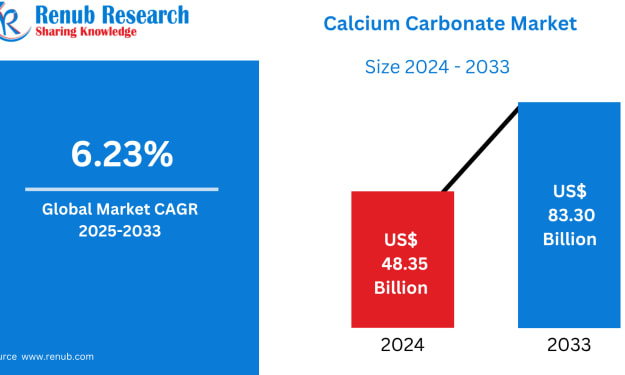
Global Calcium Carbonate Market Size & Forecast 2025–2033
Introduction: A Quiet Giant of Global Industry Calcium carbonate may not be a headline-grabbing material, but it is one of the most indispensable compounds in modern industrial life. Found naturally in limestone, marble, and chalk, this humble mineral underpins everything from the buildings we live in to the paper we write on and the plastics we use every day. Its low cost, wide availability, and remarkable versatility have made it a cornerstone raw material across multiple industries worldwide.
By jaiklin Fanandish3 days ago in Earth



Comments
There are no comments for this story
Be the first to respond and start the conversation.