
Hurricane Milton Poses Historic Threat to Florida: Life-Threatening Storm Surge, Destructive Winds, and Flooding Expected
Milton could become one of the most devastating hurricanes to hit west-central Florida, with warnings for storm surge up to 15 feet, damaging winds, and heavy rain prompting urgent preparations and evacuations.

Hurricane Milton is shaping up to be a significant threat to Florida, bringing with it potentially devastating impacts. The storm, currently a powerful Category 4 hurricane, is predicted to make landfall on Florida's Gulf Coast on Wednesday. Authorities are warning that Milton could bring life-threatening storm surge, destructive winds, flooding rain, and even tornadoes to the region. Preparations should be completed as soon as possible, with many areas under hurricane and storm surge warnings.
Milton is currently centered about 560 miles southwest of Tampa, Florida, and as of Tuesday morning, the hurricane is packing 155 mph winds. Although the storm has slightly weakened due to an eyewall replacement cycle, it remains a serious danger to Florida. It is expected to stay a major hurricane by the time it makes landfall, and even if its winds diminish somewhat, the impact on Florida will still be severe.
Storm Surge – A Serious Threat
One of the most dangerous aspects of Hurricane Milton is the anticipated storm surge. The National Hurricane Center (NHC) warns that storm surge along the west coast of Florida could reach between 10 and 15 feet above ground level if it coincides with high tide. This surge could impact a wide area, including the densely populated Tampa Bay region, and could be the highest storm surge recorded in more than a century. Areas to the south, including Fort Myers Beach, could see storm surge levels of 6 to 10 feet, while the potential for surge extends further north as well.

Storm surge is expected to begin building up on Wednesday, peaking during the night and into early Thursday morning. Authorities have advised that anyone living in areas vulnerable to storm surge should evacuate if ordered to do so, as the risk of life-threatening flooding is high. Additionally, storm surge could even impact the east coast of Florida, as well as parts of Georgia and South Carolina.
Winds Capable of Major Damage

The winds associated with Hurricane Milton are expected to cause extensive damage in the areas where the storm makes landfall. The hurricane's most dangerous winds, capable of downing trees, damaging buildings, and causing widespread power outages, will affect central Florida, including the Orlando area. Winds will begin to increase in intensity by Wednesday afternoon, and the strongest gusts are forecasted to occur during the overnight hours and into Thursday.
Although the storm’s center will make landfall along the Gulf Coast, its wind field is expansive, and the effects will be felt across much of the Florida Peninsula. Power outages are expected, and some areas may be without electricity for days due to the storm’s strength.
Heavy Rain and Flooding
In addition to wind and storm surge, Hurricane Milton is expected to bring torrential rainfall to central and northern Florida. Rainfall totals are forecasted to be between 5 and 12 inches, with some areas receiving up to 18 inches of rain. This heavy rainfall, combined with rain that has already soaked the region, is likely to cause flash flooding, as well as flooding of rivers and low-lying areas.
Flood watches are in effect across much of Florida, and residents in flood-prone areas should remain on alert. Flooding could begin as early as Tuesday night, ahead of Milton’s arrival, and will worsen throughout Wednesday and Thursday as the storm moves through.
Tornadoes Also a Possibility
As is often the case with hurricanes, the threat of tornadoes also looms. Isolated tornadoes may begin to develop as early as Tuesday night across central and southern Florida. The tornado threat will persist through Wednesday and into Wednesday night, especially in the central and southern parts of the state. While these tornadoes will be localized, they can cause additional damage to structures and endanger lives.
Preparations and Warnings
Hurricane warnings are in place for much of the Florida Gulf Coast, stretching from Bonita Beach to the mouth of the Suwannee River, including Tampa Bay and inland areas such as Orlando. These warnings indicate that hurricane conditions are expected to occur within the next 36 hours. Tropical storm warnings and watches are also in effect for other parts of Florida, southeastern Georgia, and southern South Carolina.
The National Hurricane Center is urging residents in the path of the storm to complete their preparations as soon as possible. Those in storm surge-prone areas are being asked to evacuate if directed to by local officials, as this is expected to be a life-threatening event.
Conclusion
Hurricane Milton poses a significant and dangerous threat to Florida, and residents must take the warnings seriously. The combination of storm surge, high winds, and heavy rainfall makes this a potentially historic storm for the region. With the threat of tornadoes and widespread power outages, those in the storm's path need to be prepared for several days of disruption. Keep informed with local authorities, follow evacuation orders if necessary, and ensure all preparations are completed by Tuesday. This is a serious situation, and every precaution should be taken to stay safe.
About the Creator
Global Lawn Mowers Market Set for Strong Growth as Smart Landscaping Goes Mainstream (2025–2033)
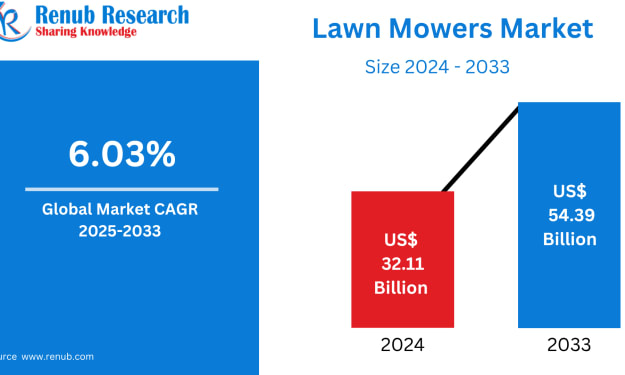
Global Lawn Mowers Market Size & Forecast 2025–2033 The Global Lawn Mowers Market is entering a transformative decade, reshaped by rapid urbanization, the rise of smart homes, and growing environmental awareness. According to Renub Research, the market is projected to grow from US$ 32.11 billion in 2024 to US$ 54.39 billion by 2033, expanding at a CAGR of 6.03% from 2025 to 2033.
By jaiklin Fanandishabout 18 hours ago in Earth
Homeowners Don’t Want to Move: The Big Deal About Shrinking Backyards
In neighborhoods across the country, a subtle but growing trend is taking root: homeowners aren’t moving, and it’s not just because of the housing market. Many are staying put because their backyards—once spaces for relaxation, gardening, and family fun—are shrinking, either physically due to new development or symbolically as life priorities shift. What may seem like a minor detail—an ordinary backyard—is, for many, a defining feature of home life. Losing it can change how people live, play, and even feel about their communities. This shift has consequences for families, urban planning, and even the way cities are designed. It also sheds light on why homeowners are willing to compromise on size, style, or even location rather than give up their outdoor space. Why Backyards Matter More Than Ever Backyards are more than just patches of grass. They are extensions of our living space, providing: Personal outdoor retreats for reading, gardening, or hosting friends. Safe spaces for children and pets to play. Social hubs for barbecues, birthdays, and neighborhood gatherings. Mental and physical health benefits, including fresh air, sunlight, and exercise. For families who have invested years into landscaping, planting trees, or building decks and patios, the backyard is an emotional asset. Moving to a new home often means losing these personal touches—and many homeowners aren’t willing to take that step. “Backyards are part of our identity,” says Laura Jennings, a landscape designer in suburban Chicago. “People have memories tied to them—first steps, garden harvests, family barbecues. That’s why so many homeowners are staying put, even if it’s tempting to relocate for a bigger house or a better neighborhood.” The Trend of Shrinking Yards Urban densification and suburban development have slowly eaten into traditional backyard space. In many cities, large lots are being replaced with townhomes, duplexes, or small-lot single-family homes. Even in suburban neighborhoods, new constructions often prioritize indoor square footage over outdoor space. The shrinking backyard trend has several effects: Less room for recreation: Families may struggle to fit a swing set, pool, or garden into a smaller yard. Increased desire to stay put: Homeowners prefer maintaining a familiar outdoor space rather than trading it for a slightly larger indoor area. Higher emotional attachment: As yards become more limited, the significance of every tree, patch of grass, or vegetable garden grows. For many, the choice isn’t just about square footage—it’s about quality of life. Homeowners Are Making Trade-Offs As a result, more homeowners are staying in place longer, even if it means: Skipping a bigger kitchen or extra bedroom. Living in a less “trendy” neighborhood. Paying more in maintenance or property taxes to keep a cherished yard intact. Some have embraced innovative backyard solutions to maximize smaller spaces: Vertical gardens and container planting. Multi-functional patios that serve as dining, lounging, and play areas. Creative landscaping, including raised beds, pergolas, and tiny ponds. These adaptations allow homeowners to maintain the sense of space and enjoyment they’ve built over years without relocating. Emotional and Social Dimensions Beyond practical reasons, the backyard has a symbolic meaning. It represents: Continuity and stability: Homeowners see staying put as preserving a lifestyle. Family history: Many yards hold stories—graduations, summer afternoons, first bike rides. Community connection: Long-term residents know neighbors, local schools, and nearby amenities. Moving often means giving up these ties. A survey by the National Association of Home Builders found that over 60% of homeowners aged 35–55 preferred staying in their current homes, citing yard size and outdoor enjoyment as key factors. For these individuals, giving up a backyard is not a small inconvenience—it’s a major life decision. The Impact on Neighborhoods and Cities The trend of staying put also affects broader urban and suburban planning. Fewer homeowners moving means: Less turnover in neighborhoods, which can reduce housing market fluidity. Pressure on developers to include quality outdoor space in new builds. Greater demand for parks and community green spaces, as private yards shrink. Urban planners and developers are noticing the importance of outdoor space in retention and satisfaction metrics. Homes with usable yards, green roofs, or communal gardens often have higher value and attract long-term residents. The Future of Backyard Living As city lots shrink and suburban sprawl continues, homeowners are adapting: Smaller, highly curated gardens instead of sprawling lawns. Multi-functional backyards designed for work, play, and entertainment. Investment in outdoor amenities such as fire pits, decks, or small pools. Some communities are exploring shared backyard concepts, like community gardens and pocket parks, to supplement shrinking private spaces. While these aren’t a complete replacement for personal yards, they provide social and environmental benefits and may encourage homeowners to stay in their homes longer. Conclusion: More Than Grass and Trees Shrinking backyards might seem like a minor design issue, but for homeowners, it’s deeply tied to lifestyle, family life, and personal identity. The reluctance to move is not just a reaction to the housing market; it reflects an emotional, social, and practical connection to outdoor space that indoor square footage alone can’t replace. As urban density grows and lot sizes shrink, the importance of backyards will continue to shape homeowner decisions, neighborhood design, and community dynamics. Families are showing that a yard is not just grass and trees—it’s a place of memory, freedom, and connection. In a world where real estate trends often prioritize indoor luxury, the backyard remains a powerful symbol of home, anchoring families to the places they love—and keeping many from moving at all
By Muhammad Hassanabout 20 hours ago in Earth



Comments
There are no comments for this story
Be the first to respond and start the conversation.