
Hurricane Milton Evacuation Zones: What You Need to Know as Florida Prepares for a Historic Storm
Hurricane Milton Evacuation Zones
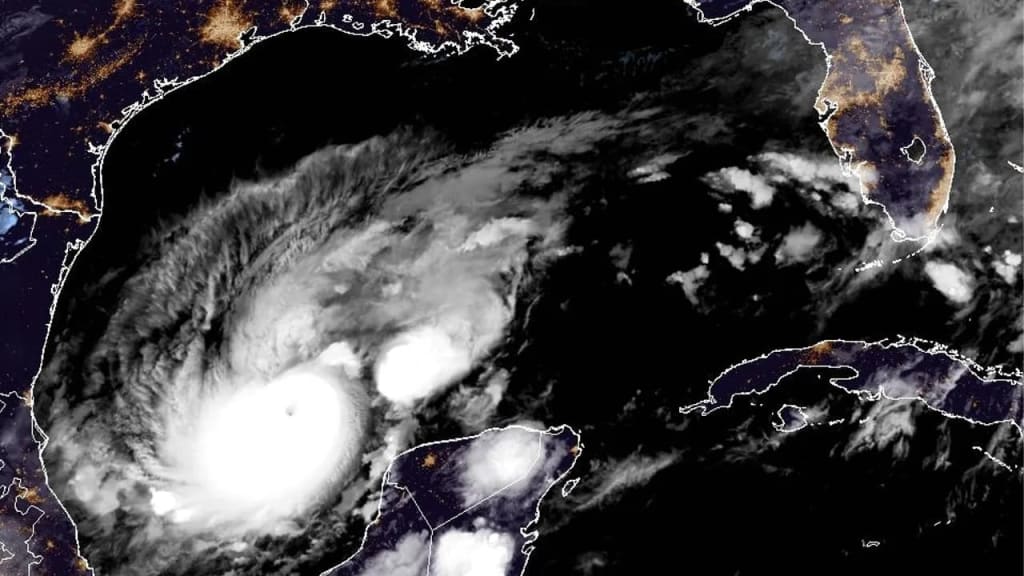
As Hurricane Milton rapidly intensifies into a Category 4 storm with sustained winds reaching 150 miles per hour, communities across Florida are on high alert. With the hurricane expected to make landfall near the Tampa Bay area, the state is gearing up for one of the most extensive evacuations in recent history( livescience.com )(WUSF ).
Understanding Evacuation Zones
Evacuation zones are geographic areas designated by local authorities to indicate which residents need to leave their homes in the event of a hurricane. These zones are categorized from Zone A (most vulnerable to storm surges) to Zone F (less likely to flood). The closer you are to the coastline, the higher the risk of flooding and the more critical it is to heed evacuation orders.
Why Evacuation is Essential
Officials stress that the impact of Hurricane Milton is expected to be severe, with storm surges, heavy rainfall, and powerful winds posing significant threats to lives and property. Florida Governor Ron DeSantis has already declared a state of emergency for 35 counties, urging residents to move to safer areas before the storm hits.
St. Petersburg Mayor Ken Welch described the situation as "the most impactful storm we have faced, much stronger than Hurricane Helene," which recently affected the region. The urgency of the evacuation orders is compounded by Milton's rapid intensification and its small, powerful eye, which can cause even more destructive winds and storm surges.
How to Determine Your Evacuation Zone
To find out if you're in an evacuation zone, you can:
Visit Your Local County Website: Most counties have interactive maps where you can enter your address to check your evacuation zone.
Use the Florida Storms App: This app provides real-time updates on weather conditions, evacuation routes, and shelter availability in your area( WUSF ).
Listen to Local News and Weather Reports: Stay tuned to local TV stations, radio broadcasts, or trusted weather websites for the latest information.
Preparing for Evacuation
If you live in an evacuation zone, here are steps to take immediately:
Pack an Emergency Kit: Include essentials like water, food, medications, important documents, cash, and first-aid supplies.
Plan Your Route: Know the nearest evacuation routes and shelters. It's also wise to have multiple options in case the main route becomes congested.
Secure Your Home: If time allows, board up windows and secure outdoor furniture to reduce potential damage.
Sheltering in Place
For those not in evacuation zones or unable to evacuate, it's crucial to take steps to stay safe at home. Stock up on supplies, have a battery-operated radio for updates, and avoid windows during the storm. Keep in mind that even if you are outside an evacuation zone, power outages and flooding could still impact you.
After the Storm
Once Hurricane Milton passes, exercise caution when returning to your home. Flooded areas may have hidden dangers, such as downed power lines or contaminated water. Follow instructions from local officials about when it is safe to go back.
Final Thoughts
Hurricane Milton's path and intensity highlight the critical need for preparedness and awareness. Whether you're in an evacuation zone or just outside, understanding the risks and taking appropriate action can save lives.
Stay informed through reliable sources like the National Weather Service and your local emergency management office, and make safety your top priority during this challenging time.
About the Creator
Matty Stash
Experienced blogger with a diverse portfolio spanning health, spirituality, technology, and beauty. Passionate about sharing news, insights, and knowledge.
Keep reading
More stories from Matty Stash and writers in Earth and other communities.
Addison's Disease: A Journey of Awareness and Resilience
A vibrant individual had always led an active life, filled with marathons, travels, and a bustling career. But recently, they noticed a change—constant fatigue, unexplained weight loss, and unusual dark patches on their skin.
By Matty Stashabout a year ago in Humans
Astonishing Snow Leopard Hunt Filmed in Pakistan’s Remote Mountains
High in the jagged peaks of northern Pakistan, where icy winds carve through barren rock and human presence is scarce, a rare and astonishing moment has been captured on camera: a snow leopard executing a powerful hunt in the wild. The footage, filmed in Pakistan’s remote mountainous regions, has stunned wildlife experts, conservationists, and nature lovers around the world. More than just a dramatic spectacle, the video offers a rare window into the secretive life of one of Earth’s most elusive big cats.
By Fiaz Ahmed Brohi6 days ago in Earth


Comments
There are no comments for this story
Be the first to respond and start the conversation.