
Hurricane Helene Set to Impact the Carolinas: How to Stay Safe and Protected
"Essential Tips for Preparing, Staying Safe, and Recovering from Hurricane Helene's Impact"
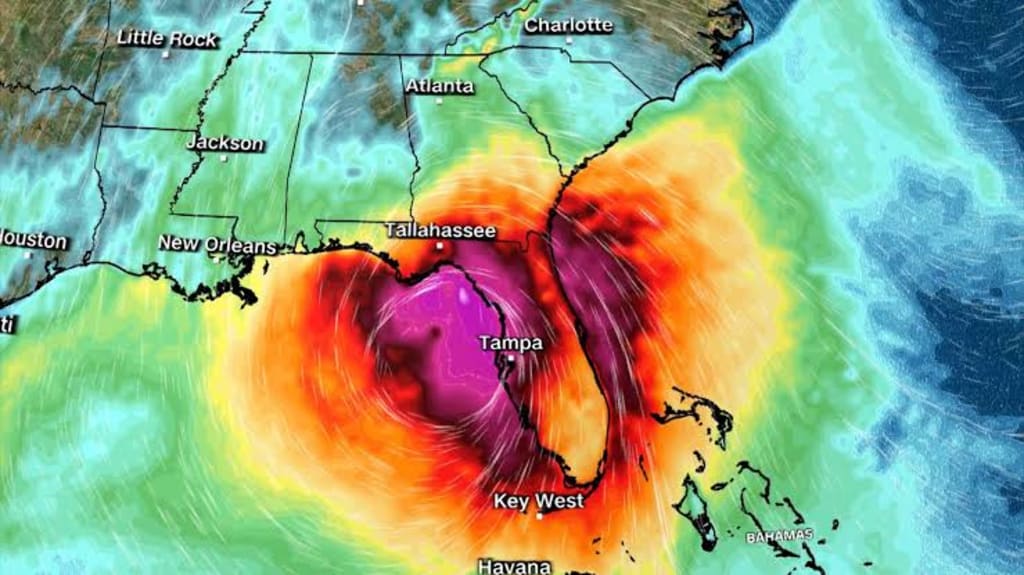
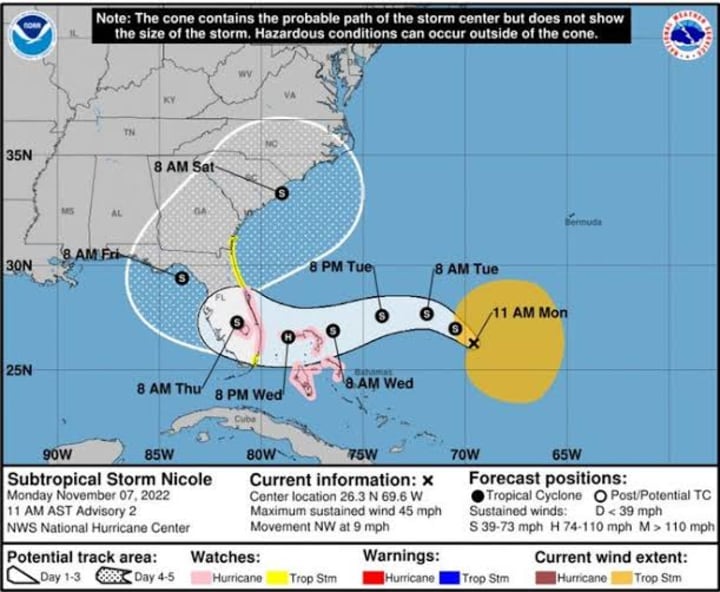
Hurricane Helene is headed toward the Carolinas, bringing heavy rain, strong winds, and the risk of flooding, especially in the mountains and foothills. With over a foot of rain expected in some areas, residents are being urged to prepare for the storm's potential dangers.
North Carolina Governor Roy Cooper and South Carolina Governor Henry McMaster have both declared states of emergency in advance of the hurricane. These emergency declarations are a response to the expected flooding, landslides, and debris flows that could affect many parts of North and South Carolina.
Mike Causey, North Carolina’s Commissioner of Insurance, has offered helpful advice for staying safe and reducing damage from the storm. “It’s extremely important that every North Carolinian knows what to do before, during, and after the storm to help lessen any damage and prevent loss of life,” Causey said.
Storm Forecast and Risks
The rain is expected to become widespread in western North Carolina by Wednesday night and continue throughout Thursday. This rainfall could lead to serious flooding in areas already prone to water damage. Mountainous regions, in particular, are at high risk for landslides and debris flows due to the amount of rain expected to fall in a short period.
As Hurricane Helene approaches, it's essential to take action to protect your home, belongings, and most importantly, your life. The Insurance Commissioner has broken down what to do in three key phases: before, during, and after the storm.
Before the Storm: Preparing for Helene’s Impact
1. Check Your Insurance Coverage:
Make sure your homeowner’s insurance policy is up-to-date and provides enough coverage to protect you from storm-related damage. It's important to know exactly what your policy covers so there are no surprises later on. Many policies don’t automatically include flood insurance, so check that as well.
2. Gather Important Documents:
Collect all essential documents, such as insurance policies, medical records, and prescriptions. It’s a good idea to keep them in a waterproof container or a digital copy saved in the cloud, so you can access them easily after the storm.
3. Create an Inventory of Your Belongings:
Make a detailed list of items in your home, including their value and any receipts if possible. This inventory will be useful if you need to file a claim for damages after the storm. Taking photos of your belongings is another good way to document what you own.
4. Secure Your Home and Yard
Walk around your property and identify any potential hazards, such as overhanging tree branches, loose roof shingles, or patio furniture that could be blown around by strong winds. Trim branches, fix any issues with your home, and secure outdoor furniture or move it indoors.
5. Check Your Emergency Supplies
Make sure your emergency kit is ready and has all the essentials: enough food, water, medications, and supplies for at least three days. It’s also smart to have a portable phone charger, a flashlight with extra batteries, and a battery-powered radio.
6. Prepare for Power Outages
Power outages are common during hurricanes, so ensure you have enough water for drinking, bathing, and flushing toilets in case you lose electricity for several days.
During the Storm: Staying Safe Inside
1. Shelter in Place
If officials advise you to stay inside, do so. Shelter in the safest part of your home, away from windows, glass doors, and skylights, which could shatter if hit by flying debris. The safest place is often a room in the interior of the house, such as a hallway or bathroom.
2. Stay Informed
Keep your cell phone charged and listen to local news updates via your battery-powered radio or mobile phone. Be aware of any changes to the storm’s path and take evacuation orders seriously.
3. Turn Off Electricity if Necessary
If your area is at risk for flooding, be prepared to turn off your electricity. Water and electricity don’t mix, and turning off the power could prevent serious injury.
4. Wait for the All-Clear
Do not leave your home until officials say it’s safe to do so. Even after the storm passes, there may be dangers like downed power lines or flooding that can make travel dangerous.
5. Follow Evacuation Orders
If an evacuation is ordered, leave your home immediately and do not return until authorities give the all-clear. It’s better to be safe and leave early than to wait until conditions become too dangerous.
After the Storm: Recovering and Assessing Damage
1. Contact Your Insurance Company
After the storm, call your homeowner’s insurance company as soon as possible to report any damage to your home. Provide them with a detailed list of what’s been damaged and include photos if possible. The more evidence you can provide, the easier it will be to get the process started.
2. Document the Damage
Before making any repairs, take photos of the damage. This documentation will help when filing your insurance claim. Also, make a list of everything that needs to be repaired or replaced.
3. Prevent Further Damage
After you’ve documented the damage, do what you can to stop further harm to your home. This might mean putting a tarp over a damaged roof or boarding up broken windows. However, don’t make permanent repairs until your insurance company has inspected the damage and agreed to cover the costs.
4. Wait to Make Permanent Repairs
Be patient and wait for the insurance company to assess the damage before beginning any major repairs. Making repairs too soon could result in your claim being denied or limited.
Conclusion: Stay Safe and Be Prepared
Hurricane Helene is expected to have a major impact on the Carolinas, but by following these steps, you can help protect yourself, your family, and your home. Preparing for the storm now, staying safe during the worst of it, and taking the right steps afterward can make all the difference in minimizing damage and speeding up recovery.
Stay informed, listen to local authorities, and take action early to ensure your safety.
About the Creator
BRICS Wargames: Why They Matter — And Why India Chose to Sit Out
BRICS — the economic and political bloc comprising Brazil, Russia, India, China, and South Africa — has long been seen as a counterweight to Western-dominated global institutions. Over the years, it has expanded its influence in finance, trade, and diplomacy. Yet, in recent times, BRICS has begun exploring another domain that grabs headlines and sparks speculation: military cooperation, including large-scale wargames. These exercises are designed to simulate joint operations, test interoperability, and send a signal of strength. For members like Russia and China, wargames serve as both a show of force and a tool to deepen military collaboration within the bloc. However, India’s decision to opt out of recent BRICS wargames has raised questions: why does this matter, and why is India taking a different path from its BRICS partners? The Rise of BRICS Military Exercises Historically, BRICS has been portrayed as primarily economic, focused on initiatives like the New Development Bank (NDB) and trade agreements aimed at reducing Western dominance. But recent years have seen an evolution. Military drills among BRICS members are increasingly prominent, especially in the context of global tension and regional conflicts. These wargames are about more than just tactical drills. They serve multiple purposes: Strategic signaling: By conducting joint exercises, BRICS countries demonstrate unity and military capability to the rest of the world. Operational readiness: Countries test their ability to coordinate in complex scenarios, from humanitarian missions to potential combat operations. Diplomatic leverage: The exercises send subtle messages to other global powers, indicating that BRICS members can collaborate beyond economic forums. For nations like Russia, recently facing sanctions and international scrutiny, these exercises are particularly important. They showcase the ability to maintain partnerships and project power despite global isolation. For China, it is a way to cement strategic influence in Asia and beyond. Why BRICS Wargames Matter Globally The significance of these exercises extends beyond the bloc itself. Analysts note several key implications: Challenge to NATO and U.S. influence: BRICS wargames signal that alternative power centers exist outside Western-led military alliances. Regional security dynamics: Countries bordering BRICS members, particularly in South Asia, Africa, and Latin America, must monitor these developments carefully. Economic-military linkages: Military coordination among major emerging economies could shape security considerations in trade corridors, energy supply routes, and resource-rich regions. In essence, BRICS wargames are not just about soldiers and tanks, but about the broader geopolitical landscape: signaling, strategy, and shaping perceptions of influence. India’s Calculated Decision to Opt Out While Russia, China, Brazil, and South Africa have shown interest in participating actively, India has strategically chosen to abstain from the most recent wargames. This decision may appear surprising, given India’s economic and political stake in BRICS, but several factors explain it. Geopolitical balancing: India maintains complex relations with both China and Russia. While it has defense and historical ties with Russia, its relationship with China has grown tense due to border disputes and regional competition. Joining a wargame with China could be politically and militarily sensitive. Alignment with Western partnerships: India has strengthened ties with Western-led coalitions, including the Quad (U.S., Japan, Australia, India). Participating in BRICS military drills could conflict with these alliances, potentially sending mixed signals. Strategic autonomy: India has long emphasized a policy of strategic autonomy — making decisions based on national interest rather than bloc pressure. Opting out allows India to maintain flexibility in foreign policy and avoid entanglement in exercises that may not align with its regional objectives. Domestic perception: Indian public opinion and political narratives favor cautious engagement with China and Russia on military matters. Skipping the wargames minimizes domestic criticism of appearing too closely aligned with either of the more assertive BRICS powers. What India Gains by Sitting Out Choosing not to participate does not mean India is disengaged from BRICS. Economically and diplomatically, it remains a key player in the bloc. By skipping the wargames, India can: Maintain regional credibility in South Asia while avoiding the perception of aligning militarily with China. Signal strategic independence, reinforcing its image as a nation that prioritizes national security over bloc politics. Focus on bilateral and multilateral exercises elsewhere, such as those with the U.S., Japan, and Australia, which are more aligned with India’s current security priorities. In short, opting out allows India to navigate the delicate balance between its BRICS commitments and broader global strategic interests. Implications for BRICS and Global Security India’s abstention also reflects broader trends within BRICS: the bloc is not monolithic. While economic cooperation is often strong, military integration faces political and strategic limits. Differing national interests, historical rivalries, and regional tensions prevent uniform alignment. For global observers, this is crucial. It shows that while BRICS wargames are important, they are not necessarily indicative of a fully unified military bloc. The exercises are as much about optics as operations, and India’s absence underscores the challenges of aligning countries with divergent security priorities. Conclusion BRICS wargames matter because they are a window into the bloc’s evolving strategic ambitions. They signal power, test cooperation, and demonstrate emerging global influence. Yet India’s decision to opt out highlights that even within this growing coalition, national interests remain paramount. For India, the choice reflects a calculated approach: engage where it benefits national interest, avoid where risks outweigh gains, and maintain strategic flexibility. For the rest of the world, it is a reminder that BRICS, while increasingly important, is not a military monolith. Ultimately, BRICS wargames are as much about geopolitics and signaling as they are about military maneuvers — and India’s careful stance illustrates how emerging powers navigate this complex global chessboard.Start writing...
By Muhammad Hassan7 days ago in Earth
Tensions in the Sky: North Korea Calls on South Korea to Probe Drone Incidents
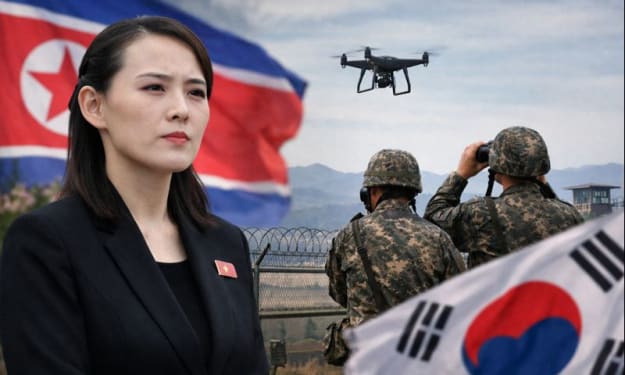
Tensions between North and South Korea have once again made international headlines after North Korea accused its southern neighbor of sending drones into its airspace. At the center of the issue is Kim Yo Jong, the influential sister of North Korean leader Kim Jong Un, who has urged South Korea to investigate the alleged drone incidents and provide a clear explanation. While drones may seem small, the political impact of this dispute is anything but minor.
By dua fatima8 days ago in Earth



Comments
There are no comments for this story
Be the first to respond and start the conversation.