
Human impact on the Earth, including pollution, deforestation, and urbanization
We humans destroying our home

1. Introduction
• Brief overview of human impact on the Earth
• Focus on pollution, deforestation, and urbanization as major areas of impact.
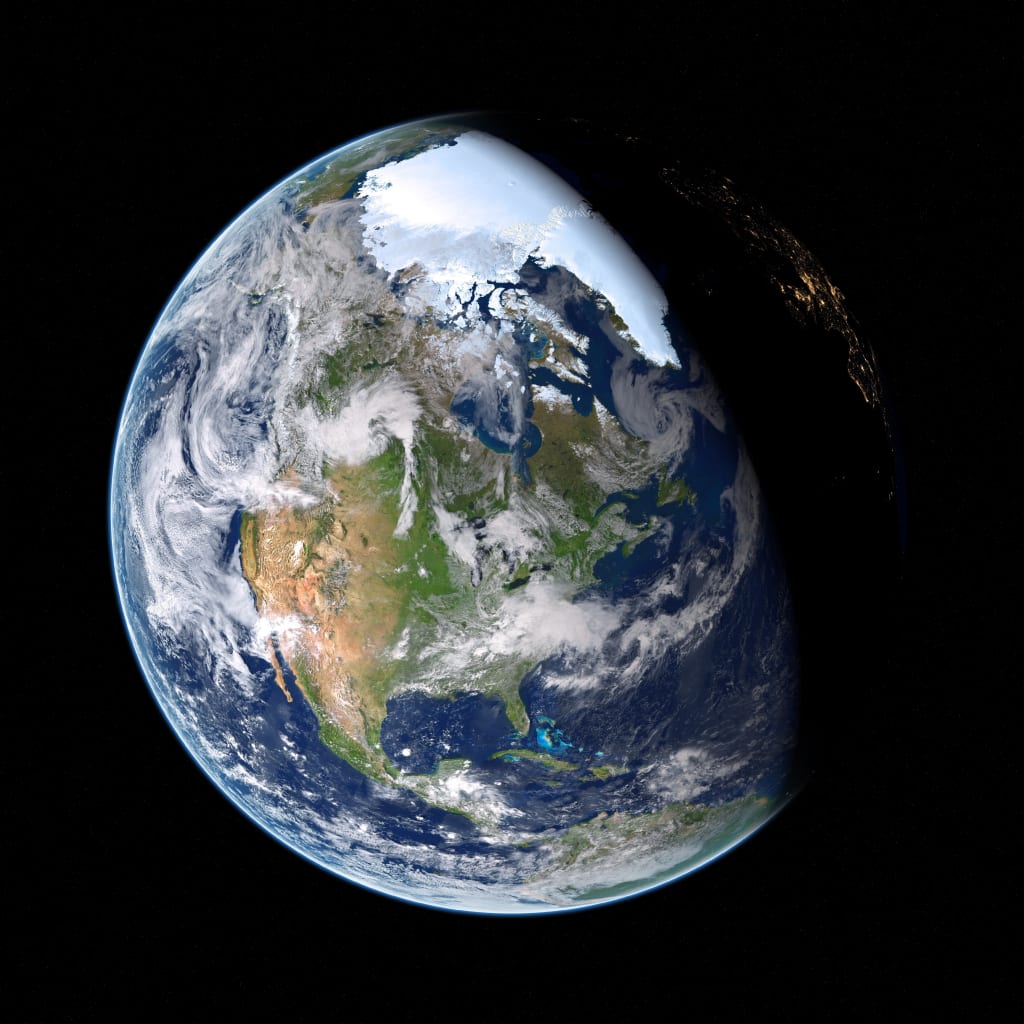
Human impact on the Earth has been significant and far-reaching in recent history. From pollution to deforestation, and urbanization, human activities have had a profound effect on the environment and on the health and well-being of both people and other living creatures. These three areas of human activity, pollution, deforestation, and urbanization, are some of the most pressing issues facing our planet today. Pollution, which takes many forms such as air, water, and soil pollution, has led to serious health problems for people and has damaged the Earth's ecosystems. Deforestation, the clearing of forests for agriculture, mining, and other human activities, has led to the loss of biodiversity and has contributed to climate change. Urbanization, the growth of cities and urban areas, has led to the destruction of natural habitats and negatively impacted air and water quality. In this essay, we will explore these issues in more detail and discuss potential solutions to address human impact on the Earth.
2. Pollution
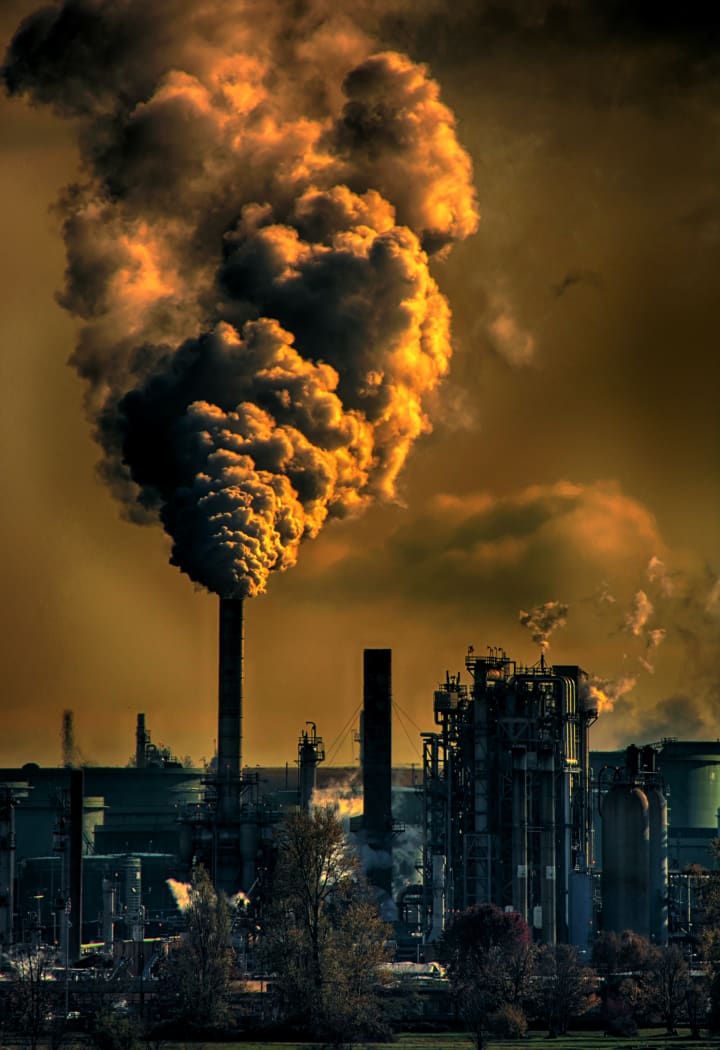
• Definition and types of pollution (air, water, soil)
• Causes of pollution (fossil fuel burning, industrial activity, etc.)
• Effects of pollution on human health and the environment.
Pollution is one of the most significant forms of human impact on the Earth. It takes many forms, including air pollution, water pollution, and soil pollution. Air pollution is caused by the release of harmful chemicals and particulates into the atmosphere, primarily from the burning of fossil fuels and industrial activity. This can lead to serious health problems for people, such as respiratory illness, heart disease, and cancer. Air pollution can also damage crops, forests, and other natural ecosystems, and contribute to climate change.
Water pollution, caused by the release of chemicals, sewage, and other pollutants into bodies of water, can also have severe impacts on human health and the environment. It can lead to the contamination of drinking water, the destruction of aquatic habitats, and the decline of fish and other aquatic species. Soil pollution, caused by the release of chemicals and other pollutants into the ground, can also have harmful effects on human health and the environment, through the contamination of crops and other plants, and the destruction of habitats for wildlife.
The sources of pollution are many and diverse, from large industrial facilities to small, individual actions, such as littering. However, one of the major sources of pollution is human consumption, and the constant demand for goods and services, which has led to an increase in production and waste. Furthermore, the lack of proper regulations, in some countries, has led to industries and individuals neglecting their environmental responsibilities. To combat pollution, efforts must be made to reduce the production and consumption of pollutants, as well as to increase the use of clean energy sources, and strengthen regulations and enforcement.
3. Deforestation
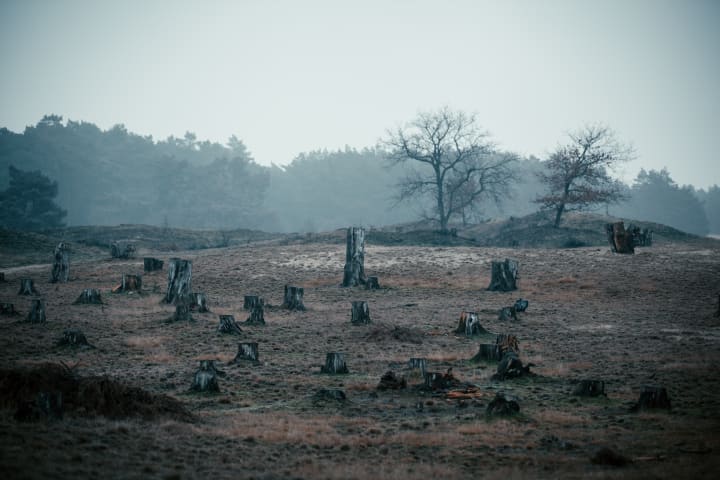
• Definition and causes of deforestation (logging, agriculture, mining, etc.)
• Effects of deforestation on biodiversity, climate change, and local communities
Deforestation is another major form of human impact on the Earth. It is the clearing of forests for agriculture, mining, and other human activities. Deforestation has led to the loss of biodiversity and has had a significant impact on the Earth's climate. Trees and other vegetation absorb carbon dioxide from the atmosphere, which helps to regulate the Earth's temperature. When forests are cleared, the carbon stored in the trees is released into the atmosphere, contributing to the warming of the planet.
Forests also provide important habitats for a wide variety of plant and animal species. Deforestation can lead to the loss of these habitats, resulting in the decline or extinction of many species. Forests also provide important ecosystem services, such as the regulation of water flow and the protection of soils. The clearing of forests can lead to soil erosion, landslides, and other forms of environmental degradation.
Deforestation is driven by a variety of factors, including population growth, economic development, and the demand for resources such as timber, agricultural land, and minerals. In some cases, the conversion of forests to other uses, such as agriculture, can lead to increased food production and economic growth, but it also can lead to many negative impacts on local communities, and the environment.
To address deforestation, efforts must be made to reduce the demand for products and services that drive the destruction of forests, such as illegal logging and the conversion of forests to agriculture. It's also important to promote sustainable land use practices, such as agroforestry and the conservation of natural forests. Additionally, reforestation and afforestation can help to restore degraded lands and increase carbon sequestration, which can help to mitigate the effects of climate change.
4. Urbanization

• Definition and causes of urbanization (population growth, economic development, etc.)
• Effects of urbanization on natural habitats, air, and water quality, and quality of life for urban residents
Urbanization is the growth of cities and urban areas, and it is another significant form of human impact on the Earth. As cities continue to grow and expand, natural habitats are destroyed, and air and water quality can deteriorate. The increase of concrete and asphalt surfaces in urban areas can also lead to a heat island effect, where temperatures in urban areas are higher than in surrounding rural areas. This can have negative impacts on human health and can also affect local weather patterns.
Urbanization also has a significant impact on transportation, as the growth of cities often leads to increased traffic congestion and air pollution. This can have negative impacts on human health, and it can also lead to increased greenhouse gas emissions and contribute to climate change. The expansion of urban areas can also lead to the displacement of local communities, and the loss of traditional ways of life.
Urbanization is driven by a variety of factors, including population growth, economic development, and the desire for improved living conditions. However, urbanization can also lead to a range of negative consequences, including social and economic inequality, and the loss of green spaces and natural habitats. To address the negative impacts of urbanization, efforts must be made to promote sustainable urban development, such as the use of green infrastructure, the integration of natural spaces into urban areas, and the promotion of compact, walkable, and transit-oriented development. Additionally, the use of renewable energy sources and the implementation of energy-efficient building practices can also help to reduce the environmental footprint of cities.
5. Conclusion
• Summary of the main points covered in the essay
• Discussion of potential solutions to address human impact on the Earth.
In conclusion, human impact on the Earth has been significant and far-reaching in recent history. Pollution, deforestation, and urbanization are some of the most pressing issues facing our planet today. Pollution has led to serious health problems for people and has damaged the Earth's ecosystems, deforestation has led to the loss of biodiversity and has contributed to climate change, and urbanization has led to the destruction of natural habitats and has had a negative impact on air and water quality.
About the Creator
ERIC
The most successful Share market trader in UK.
A building's lifetime climate impact is mostly determined by its daily energy use.
The majority of a building's climate impact is not caused by its construction. As the heating, lighting, and ventilation systems continue to function year after year, it gradually accumulates.
By Francis Dami3 days ago in Earth
Workers Recover 15,000 Crabs After Lorry Crashes Into Field
An extraordinary scene unfolded when a lorry carrying an estimated 15,000 live crabs crashed into a field, spilling its cargo across farmland and prompting a large-scale recovery effort. The unusual accident quickly drew attention from local residents, emergency services, and animal welfare groups, as workers scrambled to rescue as many crabs as possible before they succumbed to exposure.
By Aarif Lashari4 days ago in Earth
Ludacris and Nelly draw backlash over bookings at MAGA-coded music festival
Ludacris and Nelly headlining a mostly right-wing event is good for them. It’s also great for the genre of hip hop. The two rap veterans have showcased their talents on other stages. Why can’t they perform for mostly MAGA folks and grab that bag?
By Skyler Saunders3 days ago in Beat




Comments
There are no comments for this story
Be the first to respond and start the conversation.